





Southern Ground Cricket
Allonemobius socius
The Southern Ground Cricket is a small, hopping insect that loves to sing! They make a chirping sound, especially at night, and can be found in grassy areas.
Habitat: Grasslands
The Southern Ground Cricket is a small, dark brown to black insect, often with subtle patterns. Its short, stubby forewings are a distinctive feature, making it appear stockier than many other crickets.
Category
InsectsRarity
Common
Danger
1/5 · Very low
Snaps
Be the first to snap!
Each tiny cricket song is unique, like a secret code just for other crickets!
These crickets can drop their legs if caught, like a lizard shedding its tail!
They "hear" with special ears located on their front legs, not on their heads!
They grow by shedding their old skin many times, like changing into new clothes!
Southern Ground Crickets use specialized wings to rub together, creating unique chirps that attract mates.
Southern Ground Crickets can detect subtle ground vibrations through their legs, helping them find food or avoid danger.
Southern Ground Crickets have dark coloration that helps them blend perfectly into leaf litter and soil, hiding from predators.
These tiny omnivores munch on decaying plants, fungi, and occasionally small bugs found on the ground.
Hogna carolinensis
Actively hunts crickets in grassy habitats.
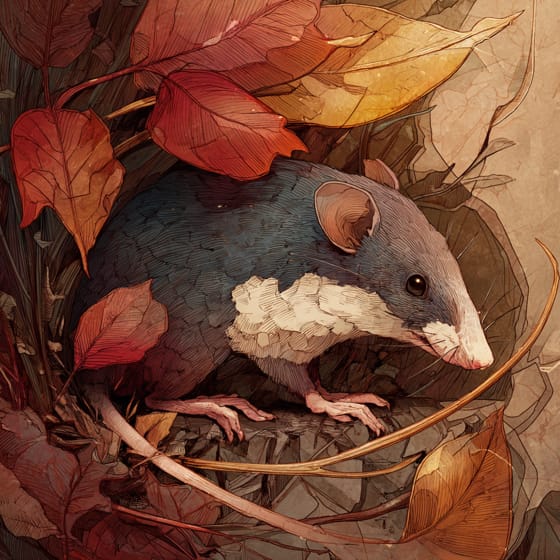
Blarina brevicauda
Preys on crickets found in leaf litter and burrows.
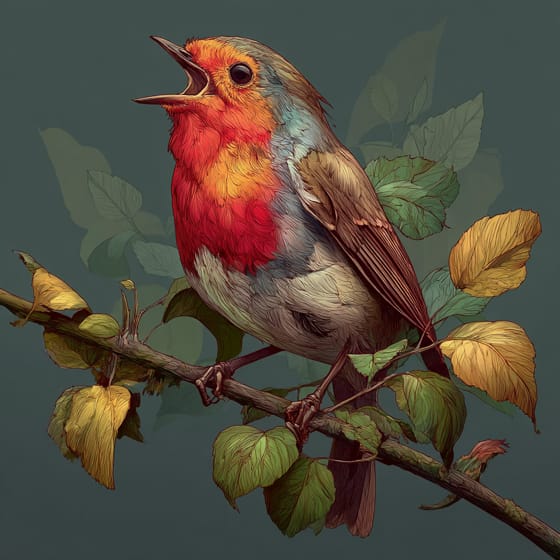
Turdus migratorius
Forages for insects, including crickets, in lawns.
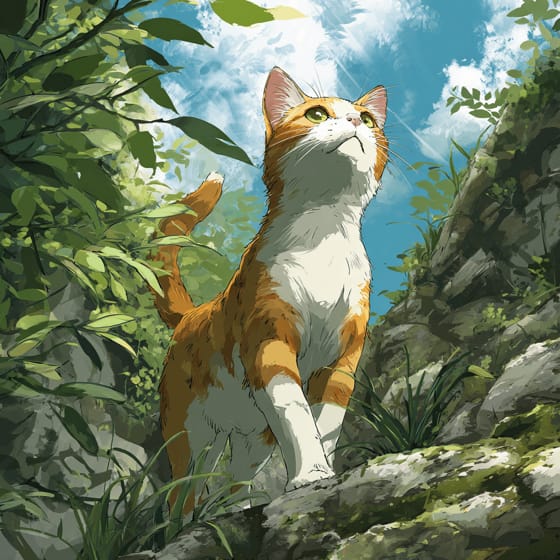
Felis catus
An opportunistic predator in gardens and urban areas.
Social animals live in organized groups, cooperating for survival benefits such as foraging, defense, and raising offspring.
Singing animals produce complex vocalizations, often for purposes of attracting mates, defending territory, or communicating within their species.
Camouflaged describes organisms that possess coloring or patterns that allow them to blend into their environment.
Grassland habitats are terrestrial biomes dominated by grasses and herbaceous plants, supporting a variety of grazing animals.

This trait characterizes organisms whose diet consists entirely or primarily of plant material.

Pertaining to species that are significantly smaller than typical or average for their kind.

Nocturnal animals are primarily active during the nighttime hours, typically resting or sleeping during the day.
No aliases listed yet.
Danger
1/5 · Very low
These crickets are harmless and fun to watch, but it's best to leave them in their homes.
The easiest way to identify Southern Ground Cricket is to use the Snappit nature identifier app.
6-9 mm
30-60 days
These tiny omnivores munch on decaying plants, fungi, and occasionally small bugs found on the ground.
Grasslands
Foraging
6
Zoom in to split clusters and explore where this object has been snapped.
Recent snaps will appear here as new observations are added.
Take the discovery with you
Snap it with Snappit to identify it, learn what makes it special, and add the discovery to your collection.







.jpg&width=800)




