





Diceroprocta cinctifera
Diceroprocta cinctifera
The Diceroprocta cinctifera, also known as the striped cicada, is a buzzing insect that loves warm weather. It has a unique striped pattern on its body and sings a cheerful song during the summer.
Habitat: Forests
The Diceroprocta cinctifera is a robust cicada, typically green with black markings across its body and head. Its clear, veined wings are held tent-like over its back, often displaying yellowish or greenish tints near the body, making it distinct from browner cicada relatives.
Category
InsectsRarity
Common
Danger
1/5 · Very low
Snaps
2
Cicada nymphs use their strong front legs to dig tunnels deep underground.
Male cicadas have powerful drum-like organs that make their famous buzzing song.
Some cicada species can synchronize their calls, creating an incredible chorus!
Their transparent wings help them blend into the foliage high up in trees.
Diceroprocta cinctifera can produce extremely loud calls by rapidly vibrating special membranes called tymbals, which helps them attract mates.
Diceroprocta cinctifera has specialized piercing-sucking mouthparts that help them drink nutrient-rich sap directly from tree xylem.
Diceroprocta cinctifera nymphs can live underground for years, silently feeding on tree root sap while avoiding predators.
These insects sip nutritious sap from trees and shrubs to get all their energy.
Age differences: Nymphs feed on sap from tree roots underground, while adults feed on sap from branches and twigs above ground.

Quercus agrifolia
They feed on the sap from its branches and roots.

Sialia mexicana
Adult cicadas are a high-protein meal for these birds.

Procyon lotor
Nymphs and fallen adults are often caught by opportunistic raccoons.
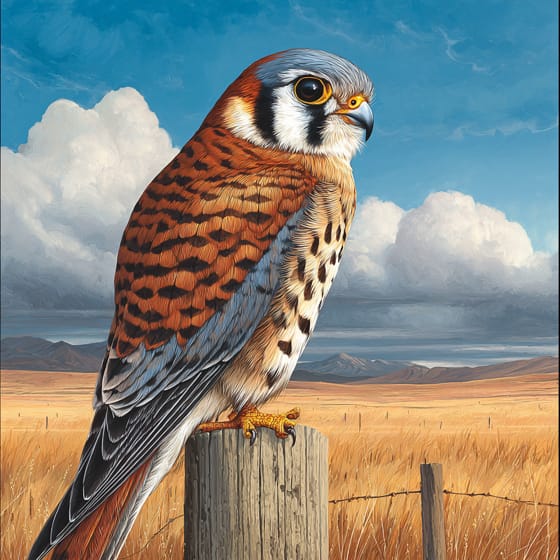
Falco sparverius
These small falcons skillfully snatch cicadas from the air.
Marked with parallel bands or lines of color.
Social animals live in organized groups, cooperating for survival benefits such as foraging, defense, and raising offspring.
Singing animals produce complex vocalizations, often for purposes of attracting mates, defending territory, or communicating within their species.
This trait characterizes organisms whose diet consists entirely or primarily of plant material.

Forest habitats are terrestrial environments dominated by dense tree cover, supporting a high diversity of plant and animal life.

Diurnal animals are primarily active during daylight hours, typically resting or sleeping at night.

Describes organisms that transfer pollen, enabling the fertilization and reproduction of plants.
Danger
1/5 · Very low
Cicadas are harmless, but it's best to watch them from a distance.
The easiest way to identify Diceroprocta cinctifera is to use the Snappit nature identifier app.
80-100 mm
35-45 mm
21-42 days
10 km/h
These insects sip nutritious sap from trees and shrubs to get all their energy.
Forests
Foraging
Zoom in to split clusters and explore where this object has been snapped.
Take the discovery with you
Snap it with Snappit to identify it, learn what makes it special, and add the discovery to your collection.








.jpg&width=800)



