





Small Dusty Wave
Idaea seriata
The Small Dusty Wave is a tiny moth with beautiful, wavy patterns on its wings. It loves to flutter around gardens and fields, especially at night when it comes out to play.
Habitat: Gardens
The Small Dusty Wave is a tiny, pale moth, typically yellowish-white to light brown, with faint, wavy grey or darker cross-lines on its wings. Its overall appearance is dusty or powdery, allowing it to blend seamlessly with dried leaves or tree bark.
Category
InsectsRarity
Common
Danger
1/5 · Very low
Snaps
Be the first to snap!
Adult moths have a special proboscis like a straw to sip nectar.
It can fly almost silently, making it hard for predators to hear!
Its caterpillars are fantastic actors, mimicking tiny twigs!
The 'dusty' look on its wings comes from tiny, overlapping scales.
Small Dusty Wave has muted, wavy wing patterns that help them blend perfectly with dried leaves and bark, making them almost invisible to predators.
Small Dusty Wave can fly efficiently after dark because of their specialized vision, helping them find food and mates under the cover of night.
Small Dusty Wave can complete their life cycle quickly, allowing them to have multiple generations in a single warm season, boosting their numbers.
Caterpillars munch on plants, while adult moths sip sweet nectar from flowers.
Age differences: Larvae (caterpillars) eat various low-growing plants, but adult moths only consume nectar.
Pipistrellus pipistrellus
A common bat that hunts moths at night.
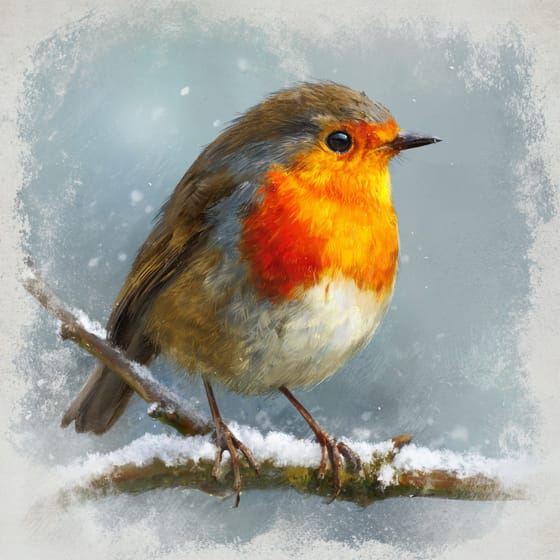
Erithacus rubecula
Many bird species, including robins, prey on moth larvae and adults.
.jpg&width=800)
Stellaria media
Its caterpillars feed on the leaves of this widespread plant.
_Clock_-_Tennessee%2C_USA_-_May_31%2C_2014.jpg&width=800)
Taraxacum officinale
Another common plant its caterpillars munch on.

Buddleja davidii
Adult moths visit various flowers like this for nectar, aiding pollination.
Camouflaged describes organisms that possess coloring or patterns that allow them to blend into their environment.
This trait characterizes organisms whose diet consists entirely or primarily of plant material.
Describes plants that are particularly attractive and beneficial to a wide range of pollinating organisms.
Pertaining to species that are significantly smaller than typical or average for their kind.

Nocturnal animals are primarily active during the nighttime hours, typically resting or sleeping during the day.

Describes organisms that transfer pollen, enabling the fertilization and reproduction of plants.
No aliases listed yet.
Danger
1/5 · Very low
Moths are gentle creatures and safe to observe, but don't touch them too much.
The easiest way to identify Small Dusty Wave is to use the Snappit nature identifier app.
15-20 mm
7-10 mm
10-20 days
Caterpillars munch on plants, while adult moths sip sweet nectar from flowers.
Gardens
Foraging
6
Zoom in to split clusters and explore where this object has been snapped.
Recent snaps will appear here as new observations are added.
Take the discovery with you
Snap it with Snappit to identify it, learn what makes it special, and add the discovery to your collection.








.jpg&width=800)




