





Western Bluebird
Sialia mexicana
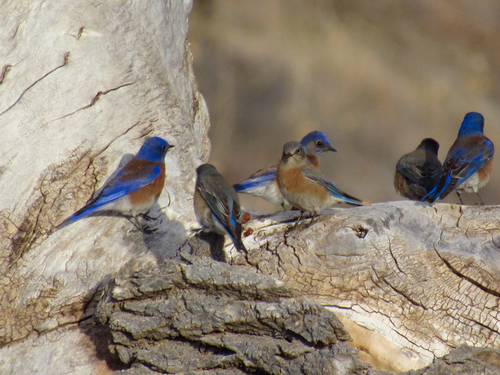
The Western Bluebird is a cheerful bird with bright blue feathers and a warm orange belly. They love to sing and can often be seen perched on fences or trees, looking for tasty insects to eat.
Habitat: Open woodlands
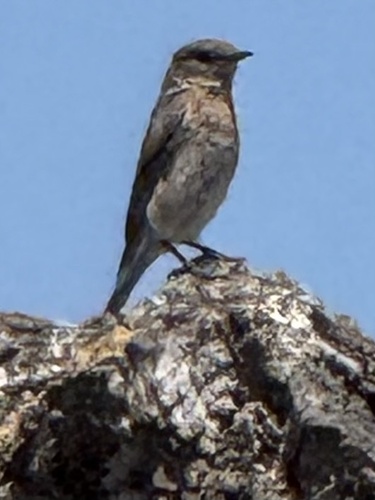
The Western Bluebird has a vibrant cobalt blue head, back, and wings for males, contrasting with a rusty orange breast and flanks. Females have duller blue and orange. They are easily distinguished by their prominent rust-colored chest and white belly.
Category
BirdsRarity
Common
Danger
1/5 · Very low
Snaps
60
Male bluebirds sing a soft 'feer-feer' song to attract their mates.
Sometimes, other young bluebirds help their parents raise new chicks!
Their stunning blue color comes from light scattering, not blue pigment!
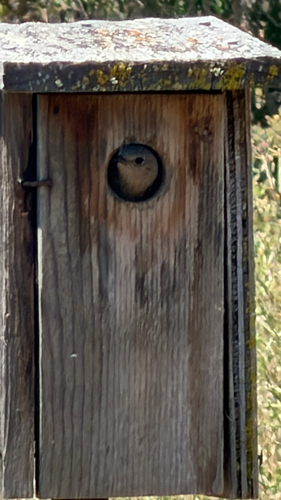
They often use human-made birdhouses, which helps their populations thrive!
Western Bluebirds can spot insects from a high perch and then pounce down to catch them on the ground.
Western Bluebirds have the ability to nest in natural tree hollows or old woodpecker holes for safety.
Western Bluebirds can switch their diet to eat more berries in winter when insects are scarce, helping them survive.
Western Bluebirds enjoy a mix of insects and juicy berries, finding food from perches or the ground.
Age differences: Young birds eat only insects for rapid growth; adults eat more fruit in winter when insects are scarce.
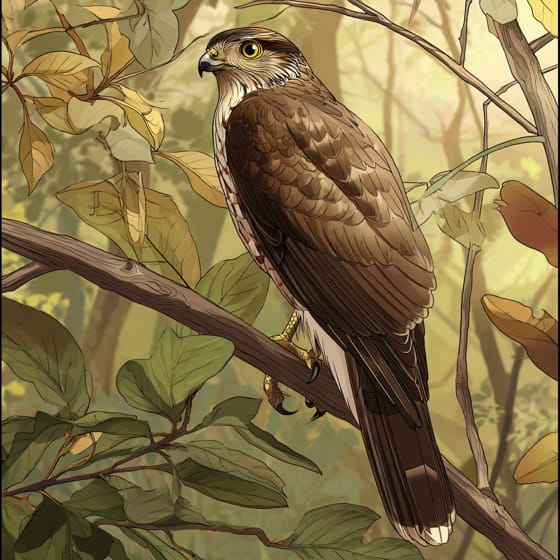
Accipiter cooperii
Hunts adult bluebirds.
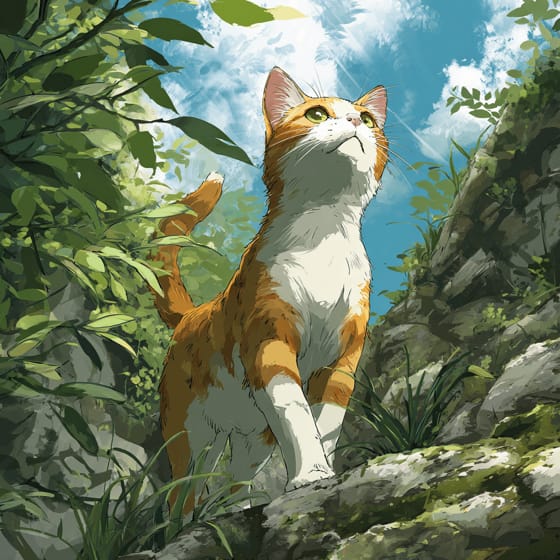
Felis catus
Predates on birds, especially nestlings.

Juniperus communis
Consumes berries in winter.
Pinus ponderosa
Nests in tree cavities.
Feathered describes animals, primarily birds, possessing a covering of feathers.
Social animals live in organized groups, cooperating for survival benefits such as foraging, defense, and raising offspring.
Aerial creatures spend a significant portion of their lives airborne, utilizing flight for various activities such as hunting, migration, or nesting.
Singing animals produce complex vocalizations, often for purposes of attracting mates, defending territory, or communicating within their species.

Colorful describes organisms or objects displaying a wide range of bright and distinct colors.

This trait identifies organisms whose diet primarily consists of insects and other small invertebrates.

Diurnal animals are primarily active during daylight hours, typically resting or sleeping at night.
No aliases listed yet.
Danger
1/5 · Very low
Enjoy watching birds from a distance, and don't try to touch or catch them.
The easiest way to identify Western Bluebird is to use the Snappit nature identifier app.
15-18 cm
28-35 cm
0.028-0.032 kg
6-10 years
45 km/h
Western Bluebirds enjoy a mix of insects and juicy berries, finding food from perches or the ground.
Open woodlands
Zoom in to split clusters and explore where this object has been snapped.
Jun 16, 2026
Arastradero PreservePhoto attribution
no rights reserved
License: CC0 1.0 ↗
Image may be shown cropped inside the card frame.
Jun 14, 2026
Arastradero PreservePhoto attribution
no rights reserved
License: CC0 1.0 ↗
Image may be shown cropped inside the card frame.
Dec 21, 2016
Metropolitan Park Bathhouse and Pool Historic DistrictPhoto attribution
(c) CK2AZ, some rights reserved (CC BY)
License: CC BY 4.0 ↗
Image may be shown cropped inside the card frame.

California, US
You might spot Acorn Woodpecker and Western Fence Lizard.
View guide →

California, US
You might spot Western Fence Lizard and California Brittlebush.
View guide →

New Mexico, US
You might spot Tree Cholla, Colorado Pinyon, and House Finch.
View guide →

California, US
You might spot Warrior's Plume and Purple Owl's-Clover.
View guide →

Utah, US
You might spot Common Golden-Mantled Ground Squirrel and Steller's Jay.
View guide →

Utah, US
You might spot Common Golden-Mantled Ground Squirrel and Steller's Jay.
View guide →
Take the discovery with you
Snap it with Snappit to identify it, learn what makes it special, and add the discovery to your collection.




.jpg&width=800)








