.jpg&width=800)





Dock Bug
Coreus marginatus
The Dock Bug is a cool insect that loves to hang out on plants. It has a long body and can be green or brown, helping it blend in with leaves.
Habitat: Urban areas, Gardens
The Dock Bug is a broad, flattened insect, typically dull reddish-brown to dark brown, with a noticeably wide body. It has distinctive, leaf-like expansions on the outer edges of its hind tibiae, making its legs appear paddle-shaped. Its antennae are four-segmented.
Category
InsectsRarity
Common
Danger
1/5 · Very low
Snaps
Be the first to snap!
Baby Dock Bugs, called nymphs, look a lot like tiny adults but don't have fully developed wings!
Even though it's called a 'Dock Bug,' it actually enjoys eating many different types of plants, not just dock!
Its antennae are like tiny feelers, helping it explore its world and find the best places to munch.
This bug is an amazing plant mimic, looking just like a dried leaf or bud on a plant stem!
Dock Bugs can release a foul-smelling liquid to deter predators, helping them stay safe from hungry attackers.
Dock Bugs have flattened, leaf-like hind legs that help them blend in perfectly with plant stems and leaves.
Dock Bugs have a long, piercing-sucking mouthpart to drink sap from plants, getting all their yummy nutrients.
These bugs use a special straw-like mouth to drink tasty sap from various plants.

Rumex crispus
Its primary food source
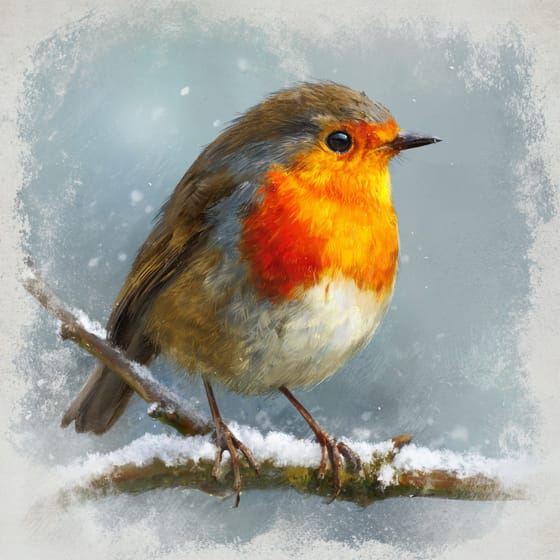
Erithacus rubecula
Common garden bird prey
Argiope bruennichi
Preyed upon by spiders
Polygonum aviculare
Another favored plant food
Solitary animals live alone for most of their lives, only interacting with others for mating or parental care.
Camouflaged describes organisms that possess coloring or patterns that allow them to blend into their environment.
This trait characterizes organisms whose diet consists entirely or primarily of plant material.
Describes plants that are particularly attractive and beneficial to a wide range of pollinating organisms.

Diurnal animals are primarily active during daylight hours, typically resting or sleeping at night.

Describes a species whose presence and role have a disproportionately large effect on its environment.

This habitat trait indicates species that can coexist with humans in urban and suburban environments, utilizing man-made structures and green spaces.

Describes organisms that transfer pollen, enabling the fertilization and reproduction of plants.
No aliases listed yet.
Danger
1/5 · Very low
It's best to look at bugs from a distance and not touch them.
The easiest way to identify Dock Bug is to use the Snappit nature identifier app.
25-35 mm
10-15 mm
30-200 days
5-10 km/h
These bugs use a special straw-like mouth to drink tasty sap from various plants.
Urban areas, Gardens
Foraging
Zoom in to split clusters and explore where this object has been snapped.
Recent snaps will appear here as new observations are added.
Take the discovery with you
Snap it with Snappit to identify it, learn what makes it special, and add the discovery to your collection.







.jpg&width=800)



