





Dog Violet
Viola canina L.
Dog Violet is a special type of violet with beautiful purple flowers. It grows in woods and is a favorite of many insects.
Habitat: Woodlands and shady areas
The Dog Violet has small, beautiful blue-violet flowers, often with darker streaks near the center, and heart-shaped leaves. Unlike its "sweet" cousins, these unscented blooms grow on upright stems that can reach up to 25 cm tall, making them distinct.
Category
PlantsRarity
Common
Danger
1/5 · Very low
Snaps
Be the first to snap!
After blooming, this clever plant can make hidden flowers that never open but still produce seeds!
It's called 'dog' violet because it doesn't have a strong scent like other violets!
Some butterfly caterpillars, like Fritillaries, absolutely love munching on Dog Violet leaves!
You can eat the leaves and flowers – they're good in salads or as a colourful garnish!
Dog Violet can grow closed flowers that self-pollinate, ensuring it makes seeds even if no insects visit!
Dog Violet's seeds have a tasty treat for ants, who carry them far away to help new plants grow.
Dog Violet can adjust its leaf angle to catch more sunlight in shady spots or protect itself in bright areas.
Apis mellifera
Collects nectar and pollen
Argynnis aglaja
Caterpillars feed on leaves
Myrmica rubra
Disperses seeds for elaiosome
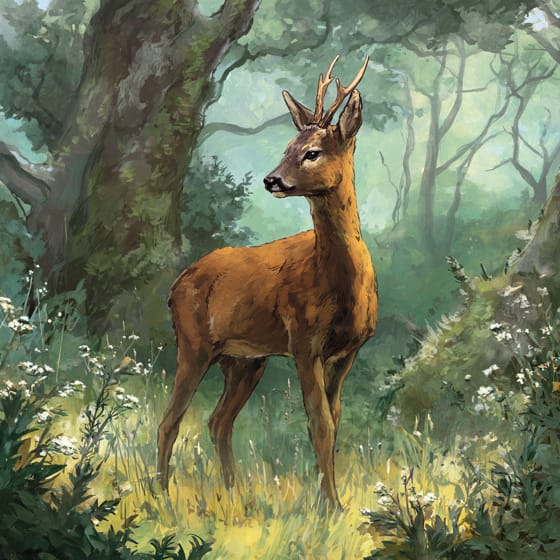
Capreolus capreolus
Browses on leaves and flowers
Flowering plants are any plants that produce flowers as part of their reproductive cycle.
Shade tolerant plants are adapted to grow and thrive in areas with low light levels, requiring less direct sunlight.
Forest habitats are terrestrial environments dominated by dense tree cover, supporting a high diversity of plant and animal life.
Describes organisms that transfer pollen, enabling the fertilization and reproduction of plants.
Danger
1/5 · Very low
Explore with care and ask an adult if you’re unsure what to do.
The easiest way to identify Dog Violet is to use the Snappit nature identifier app.
10-25 cm
15-30 cm
1-2.5 cm
Spring to early summer
Yes
None
Perennial
Zoom in to split clusters and explore where this object has been snapped.
Recent snaps will appear here as new observations are added.
Take the discovery with you
Snap it with Snappit to identify it, learn what makes it special, and add the discovery to your collection.







.jpg&width=800)



_001.jpg&width=800)



