





Paper mulberry
Broussonetia papyrifera
The paper mulberry tree is a tall tree with big, heart-shaped leaves. It's known for its soft bark that can be used to make paper and other crafts. This tree is fun to explore and can grow in many places!
Habitat: Urban areas
The Paper mulberry has large, variable leaves, often lobed or heart-shaped, with a fuzzy texture and bright green color. Its bark is smooth, pale gray-brown, developing shallow fissures with age. In summer, it produces distinctive red-orange, spherical fruits that resemble spiky gumdrops.
Category
PlantsRarity
Common
Danger
1/5 · Very low
Snaps
10
Before paper, ancient people used its bark to make super strong clothes and even currency!
Its leaves can come in many different shapes on the *same* tree, like a magic shapeshifter!
The Paper mulberry makes a sweet, juicy fruit that looks like a spiky red lollipop!
This tough tree is one of the fastest growing in the world, sometimes over 3 meters in a year!
Paper mulberry can quickly grow and spread, colonizing new areas rapidly thanks to its aggressive root system and ability to sprout easily from cuttings.
Paper mulberry has a remarkable ability to thrive in poor soils and disturbed sites, acting as a pioneer species that helps other plants grow later.
Paper mulberry can produce strong, fibrous bark that humans have used for millennia to make durable paper and textiles.
Bombyx mori
Larvae feed on the leaves.
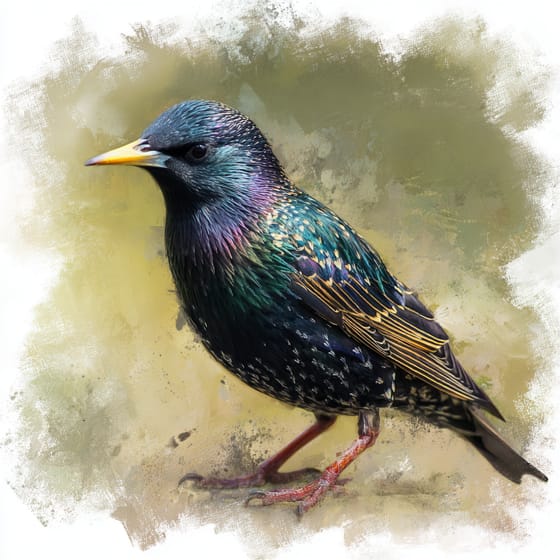
Sturnus vulgaris
Disperses seeds after eating the fruit.

Macaca mulatta
Macaques consume the fruits.
Deciduous plants periodically shed all their leaves, typically during autumn or dry seasons.
Flowering plants are any plants that produce flowers as part of their reproductive cycle.
Shade tolerant plants are adapted to grow and thrive in areas with low light levels, requiring less direct sunlight.
Broadleaf trees are angiosperms characterized by flat, wide leaves that are typically shed annually in temperate climates.

This human use trait identifies species that yield natural fibers, used by humans for textiles, rope, paper, and other manufactured goods.

Rapid growing plants exhibit accelerated growth rates, quickly increasing in size and biomass within a short period.

This habitat trait indicates species that can coexist with humans in urban and suburban environments, utilizing man-made structures and green spaces.
No aliases listed yet.
Danger
1/5 · Very low
Be careful not to climb too high in trees, and always ask an adult for help.
The easiest way to identify Paper mulberry is to use the Snappit nature identifier app.
500-2000 cm
300-1000 cm
1-8 cm
Spring to early Summer
Yes
None
Perennial
Zoom in to split clusters and explore where this object has been snapped.

Tennessee, US
You might spot House Sparrow, Northern Mockingbird, and Gulf Fritillary.
View guide →

South Carolina, US
You might spot Anole, Asian Lady Beetle, and Gulf Fritillary.
View guide →

Texas, US
You might spot Eastern Fox Squirrel and Great-Tailed Grackle.
View guide →

Alabama, US
You might spot Muscovy Duck and Gulf Longear Sunfish.
View guide →

Florida, US
You might spot Brown Anole, Monarch, and Eastern Lubber Grasshopper.
View guide →

Alabama, US
You might spot Blackfin Darter and Largescale Stoneroller.
View guide →
Take the discovery with you
Snap it with Snappit to identify it, learn what makes it special, and add the discovery to your collection.







.jpg&width=800)


_001.jpg&width=800)



