





drill
Mandrillus leucophaeus
Drills are colorful monkeys that live in the forests of Africa. They have bright faces and love to play with their friends in the trees.
Habitat: Forests
The drill has a robust body covered in dark brown to black fur, sharply contrasting with its striking bare face. Its face features a prominent ridge on the nose, bordered by bright pink and purple skin, with a distinctive bright red lower lip, making it visually distinct among primates.
Category
MammalsRarity
Rare
Danger
3/5 · Moderate
Snaps
Be the first to snap!
Drills have a tiny, stubby tail, unlike most monkeys!
Each drill has unique facial patterns, like a fingerprint!
Males can weigh as much as an average 10-year-old child!
They communicate with over 20 different sounds, from grunts to shrieks.
Drills can crush tough nuts and seeds because of their very strong jaws and large canine teeth.
Drills have strong limbs and gripping hands that help them climb high into trees to find food and safety.
Drills have special cheek pouches that help them store extra food to eat later when they are safe.
Drills are omnivores, eating many things like fruits, seeds, leaves, and even insects!
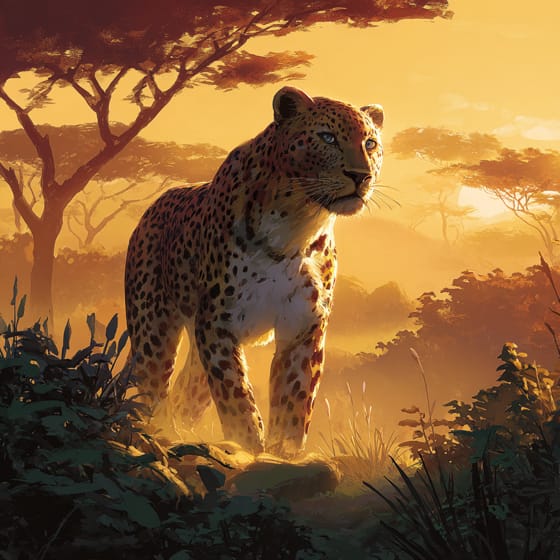
Panthera pardus
A top predator that hunts drills in their forest habitat.
Ficus sur
Drills frequently consume the sweet fruits from this tree.
Dacryodes edulis
Drills eat the oily fruits of this native tree.
Formicidae spp.
Drills forage for various ants, an important protein source.
Furry describes animals possessing a dense covering of soft hair or fur.
Social animals live in organized groups, cooperating for survival benefits such as foraging, defense, and raising offspring.
Arboreal animals live primarily in trees, utilizing them for shelter, food, and protection from predators.
Colorful describes organisms or objects displaying a wide range of bright and distinct colors.

This trait characterizes organisms whose diet consists entirely or primarily of plant material.

Forest habitats are terrestrial environments dominated by dense tree cover, supporting a high diversity of plant and animal life.

Diurnal animals are primarily active during daylight hours, typically resting or sleeping at night.

Endangered status indicates a species is at a very high risk of extinction in the wild in the near future.
Danger
3/5 · Moderate
Always watch from a distance and never try to touch wild animals.
The easiest way to identify drill is to use the Snappit nature identifier app.
61-76 cm
10-50 kg
15-30 years
35 km/h
Drills are omnivores, eating many things like fruits, seeds, leaves, and even insects!
Forests
Foraging
Zoom in to split clusters and explore where this object has been snapped.
Recent snaps will appear here as new observations are added.
Take the discovery with you
Snap it with Snappit to identify it, learn what makes it special, and add the discovery to your collection.




.jpg&width=800)


.JPG&width=800)


.jpg&width=800)
