





Cacomistle
Bassariscus sumichrasti
Cacomistles are cute, small mammals that look like a mix between a cat and a raccoon. They are known for their long tails and playful nature, often found climbing trees and exploring their surroundings.
Habitat: Forests
The Cacomistle is a sleek, medium-sized mammal resembling a slender cat with a long, bushy tail. Its fur is typically grayish-brown to reddish-brown on top, with a creamier underside. The most distinctive feature is its striking black and white ringed tail, longer than its body, and large, dark eyes.
Category
MammalsRarity
Common
Danger
2/5 · Low
Snaps
Be the first to snap!
Mother cacomistles move their babies to new dens if they sense danger!
Sometimes called a 'ringtail,' but it lives far from its North American cousin!
Their super-long, striped tail can be longer than their entire body!
They can rotate their hind feet 180 degrees to climb down trees headfirst!
Cacomistles have incredibly flexible ankles, allowing them to turn their hind feet backwards to descend trees headfirst with ease.
Cacomistles use their long, prehensile tail for balance, acting like a counterweight to navigate complex branches and dense foliage.
Cacomistles possess large eyes with a reflective layer, enhancing their ability to see clearly and hunt efficiently in dim light.
These adaptable omnivores enjoy a varied menu of fruits, insects, and tiny forest creatures.
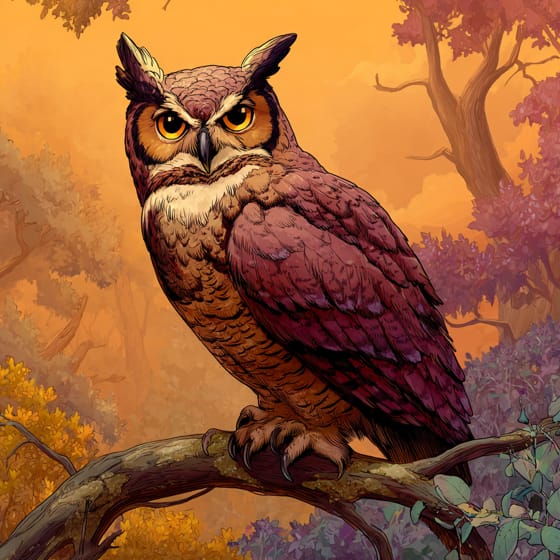
Bubo virginianus
A nocturnal hunter, it preys on cacomistles in their forest homes.
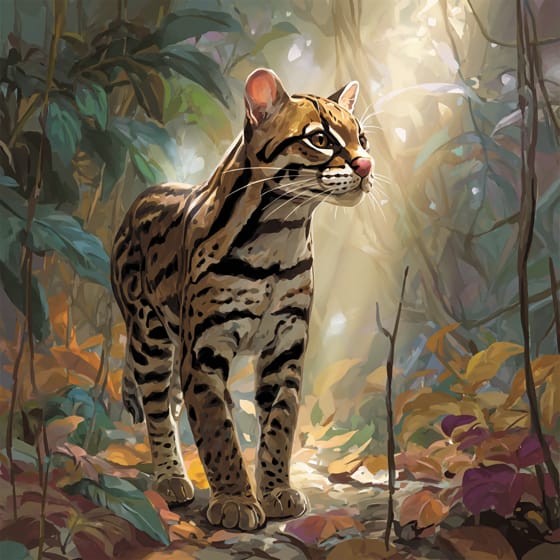
Leopardus pardalis
An agile feline predator, it hunts cacomistles in shared habitats.
Boa constrictor
Ambushes and constricts arboreal cacomistles from branches.
Peromyscus mexicanus
Cacomistles actively hunt these small rodents among forest undergrowth.
Furry describes animals possessing a dense covering of soft hair or fur.
Social animals live in organized groups, cooperating for survival benefits such as foraging, defense, and raising offspring.
This trait identifies organisms whose diet includes both plant and animal matter.
Arboreal animals live primarily in trees, utilizing them for shelter, food, and protection from predators.

Forest habitats are terrestrial environments dominated by dense tree cover, supporting a high diversity of plant and animal life.

Nocturnal animals are primarily active during the nighttime hours, typically resting or sleeping during the day.
No aliases listed yet.
Danger
2/5 · Low
Cacomistles are wild animals, so it's best to watch them from a distance and not try to touch them.
The easiest way to identify Cacomistle is to use the Snappit nature identifier app.
77-100 cm
0.8-1.5 kg
6-10 years
20 km/h
These adaptable omnivores enjoy a varied menu of fruits, insects, and tiny forest creatures.
Forests
Foraging
Zoom in to split clusters and explore where this object has been snapped.
Recent snaps will appear here as new observations are added.
Take the discovery with you
Snap it with Snappit to identify it, learn what makes it special, and add the discovery to your collection.




.jpg&width=800)


.JPG&width=800)



.jpg&width=800)
