





Impala
Aepyceros melampus
The impala is a graceful antelope that loves to leap and run. They are known for their beautiful reddish-brown coats and can often be seen in groups in the savanna.
Habitat: Savannas
The Impala has a sleek, reddish-brown coat with distinct white underparts and a white stripe above each eye. Its hindquarters feature bold black stripes that frame a white rump. Males are easily identified by their long, lyre-shaped horns, which can grow over two feet.
Category
MammalsRarity
Common
Danger
2/5 · Low
Snaps
Be the first to snap!
An impala can clear a 10-meter gap in a single jump!
Baby impala are all born within just a few weeks of each other!
Male impala horns grow up to 90 centimeters long!
They can actually change their diet depending on the season!
Impala can jump up to 3 meters high and 10 meters long because of strong leg muscles, helping them escape predators.
Impala can run at 90 km/h and make sudden turns because of their agility, confusing predators during a chase.
Impala has a loud "snort" call that helps them warn other impala and nearby animals of danger.
This antelope is a flexible eater, munching on grasses in wet times and leaves when it's dry.
Panthera leo
Apex predator of impala.
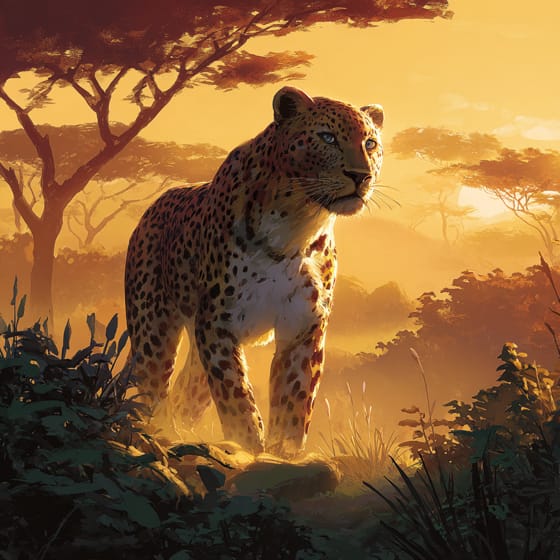
Panthera pardus
Silent hunter, often preys on impala.
Acinonyx jubatus
Fast hunter, chases down impala.

Lycaon pictus
Hunts in packs for impala.
Acacia tortilis
Impala browse its leaves and pods.
Furry describes animals possessing a dense covering of soft hair or fur.
Social animals live in organized groups, cooperating for survival benefits such as foraging, defense, and raising offspring.
Colorful describes organisms or objects displaying a wide range of bright and distinct colors.
This trait characterizes organisms whose diet consists entirely or primarily of plant material.

This habitat trait denotes species native to savannas, which are grasslands with scattered trees, typically found in tropical or subtropical regions with distinct wet and dry seasons.

Diurnal animals are primarily active during daylight hours, typically resting or sleeping at night.

Describes a species whose presence and role have a disproportionately large effect on its environment.

This trait identifies organisms that exhibit exceptional swiftness in movement for hunting, escape, or travel.
No aliases listed yet.
Danger
2/5 · Low
Always watch animals from a safe distance and never try to touch or chase them.
The easiest way to identify Impala is to use the Snappit nature identifier app.
120-160 cm
40-76 kg
12-15 years
90 km/h
This antelope is a flexible eater, munching on grasses in wet times and leaves when it's dry.
Savannas
Grazing
Zoom in to split clusters and explore where this object has been snapped.
Recent snaps will appear here as new observations are added.
Take the discovery with you
Snap it with Snappit to identify it, learn what makes it special, and add the discovery to your collection.




.jpg&width=800)


.JPG&width=800)


.jpg&width=800)
