





Drosera
Drosera
Drosera, also known as sundews, are fascinating plants that catch insects with sticky, dew-covered tentacles. They thrive in wetlands and have beautiful, glistening leaves that attract curious insects.
Habitat: Wetlands
The Drosera is a small, ground-hugging plant, often forming rosettes or upright stems covered in shimmering, red-tipped tentacles. These sticky 'sundew' tentacles sparkle with a clear, sugary fluid that makes the plant look covered in morning dew, attracting unsuspecting insects. Its delicate flowers can be white, pink, or purple.
Category
PlantsRarity
Common
Danger
1/5 · Very low
Snaps
Be the first to snap!
Drosera are found on every continent except Antarctica!
One species, Drosera regia, can grow over two feet tall!
Some Drosera grow underground tubers to survive harsh fires!
The sticky 'dew' is so strong, it can even trap small moths!
Drosera has special glands that produce a super-sticky mucilage to trap insects for food, helping it survive in poor soils.
Some Drosera can slowly move their tentacles and leaves to curl around struggling prey, ensuring a tight grip.
Drosera produces special enzymes to break down captured insects, absorbing vital nutrients like nitrogen from their prey.
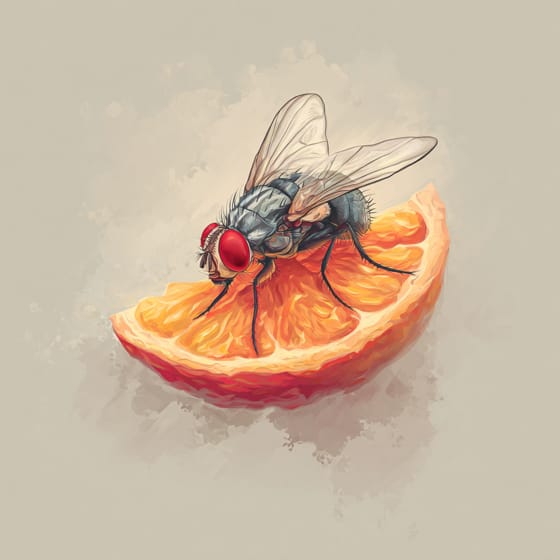
Drosophila melanogaster
A common prey insect.
Apis mellifera
Visiting flowers for nectar.
Formica rufa
Often gets trapped on leaves.
Sphagnum capillifolium
Thrives in acid bog environments.
Deciduous plants periodically shed all their leaves, typically during autumn or dry seasons.
Night blooming plants open their flowers after sunset, often to attract nocturnal pollinators with their scent and appearance.
Carnivorous plants are predatory flowering plants that derive some or most of their nutrients from trapping and consuming animals or protozoans.
This habitat trait identifies species found in wetlands, which are areas of land saturated with water, either permanently or seasonally, including marshes, swamps, and bogs.
No aliases listed yet.
Danger
1/5 · Very low
Admire Drosera from a distance to let them catch insects naturally.
The easiest way to identify Drosera is to use the Snappit nature identifier app.
5-30 cm
5-20 cm
0.5-2 cm
Spring_to_summer
No
None
Perennial
Zoom in to split clusters and explore where this object has been snapped.
Recent snaps will appear here as new observations are added.
Take the discovery with you
Snap it with Snappit to identify it, learn what makes it special, and add the discovery to your collection.








.jpg&width=800)



_001.jpg&width=800)




