





Drugstore Beetle
Stegobium paniceum
The Drugstore Beetle is a tiny insect that loves to munch on dried foods like grains and spices. They are small and brown, making them hard to spot in your kitchen!
Habitat: Urban areas
The Drugstore Beetle is a small, reddish-brown to dark brown insect with a cylindrical body covered in fine, short hairs. Its head is often tucked deeply under its pronotum, making it hard to see from above. It has distinct antennae ending in a three-segmented club, distinguishing it from other common pantry pests.
Category
InsectsRarity
Common
Danger
1/5 · Very low
Snaps
Be the first to snap!
Female beetles can lay hundreds of tiny eggs, ensuring many new beetles!
Its scientific name, Stegobium paniceum, means "bread-eating cupboard-dweller"!
They can chew through aluminum foil and even lead to get to food!
They once infested an ancient Egyptian tomb, eating mummified food!
Drugstore Beetles can digest an incredible variety of foods, even toxic ones, that helps them survive in many environments.
Drugstore Beetles have strong mandibles that help them chew through paper, foil, and plastic to reach their food.
Drugstore Beetles have sensitive antennae that help them locate hidden food sources from a considerable distance.
Drugstore Beetles can withstand many chemicals and even some poisons, which helps them infest a wide range of products.
These tiny beetles are omnivores, eating almost any dried plant or animal product they find.
Age differences: Larvae cause most of the feeding damage before pupating.
Pteromalus paniceus
Wasp larvae feed inside the beetle larva.
Thaneroclerus buqueti
This beetle hunts and eats drugstore beetle larvae.
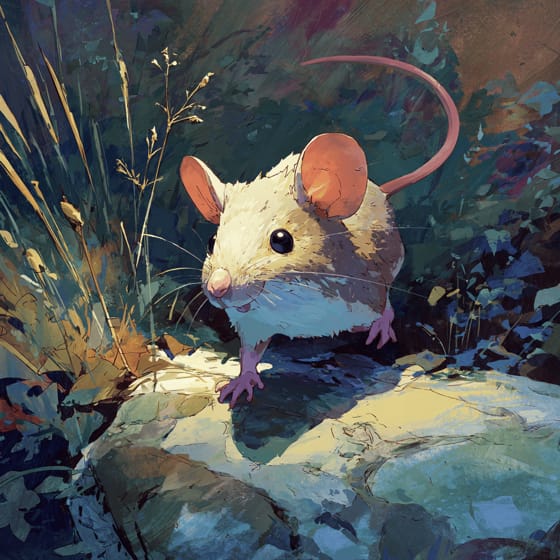
Mus musculus
Mice may eat larvae and adult beetles.
Solitary animals live alone for most of their lives, only interacting with others for mating or parental care.
Scavengers consume dead organic matter, helping to decompose carcasses and other waste in the ecosystem.
This trait characterizes organisms whose diet consists entirely or primarily of plant material.
Describes organisms that break down dead organic material, recycling nutrients back into the ecosystem.

Diurnal animals are primarily active during daylight hours, typically resting or sleeping at night.

Pertaining to species that are significantly smaller than typical or average for their kind.

This habitat trait indicates species that can coexist with humans in urban and suburban environments, utilizing man-made structures and green spaces.
Danger
1/5 · Very low
Don't touch insects without asking an adult, as some can bite or sting.
The easiest way to identify Drugstore Beetle is to use the Snappit nature identifier app.
4-7 mm
2-3.5 mm
40-90 days
These tiny beetles are omnivores, eating almost any dried plant or animal product they find.
Urban areas
Foraging
6
Zoom in to split clusters and explore where this object has been snapped.
Recent snaps will appear here as new observations are added.
Take the discovery with you
Snap it with Snappit to identify it, learn what makes it special, and add the discovery to your collection.







.jpg&width=800)




