





Dunnock
Prunella modularis
The Dunnock is a small, brown bird that loves to hop around gardens and parks. It has a sweet song and often forages for insects and seeds on the ground.
Habitat: Urban areas
The Dunnock is a small, shy brown bird, often mistaken for a House Sparrow, but it has a sleek grey head and breast, with streaky brown plumage on its back and wings. Its slender bill and orange-brown legs further distinguish it.
Category
BirdsRarity
Common
Danger
1/5 · Very low
Snaps
1
Dunnock parents often feed cuckoo chicks even though they're huge!
Female dunnocks can lay up to three clutches of eggs in one year!
Their song is a surprisingly high-pitched, warbling trill.
They are also called 'Hedge Accentors' because they love hedges!
Dunnocks can have complex breeding arrangements with multiple partners, which helps them raise more chicks successfully.
Its streaky brown and grey feathers provide excellent camouflage, allowing the Dunnock to disappear into hedges and bushes from predators.
Dunnocks have a streamlined body shape that helps them move quietly and efficiently through thick bushes and tangled plants to find food.
Dunnocks are omnivores that enjoy both tiny insects and tasty seeds.
Age differences: Young chicks primarily eat insects, shifting to a broader omnivorous diet as adults.

Accipiter nisus
A key predator of small garden birds like the Dunnock.
Cuculus canorus
Lays its eggs in Dunnock nests for them to raise.
Lumbricus terrestris
Dunnocks forage on the ground for these and other invertebrates.
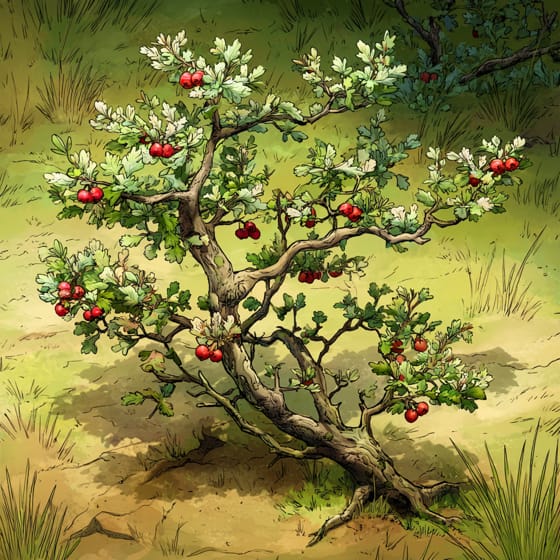
Crataegus monogyna
Provides dense cover for nesting and hiding from predators.
Feathered describes animals, primarily birds, possessing a covering of feathers.
Social animals live in organized groups, cooperating for survival benefits such as foraging, defense, and raising offspring.
Singing animals produce complex vocalizations, often for purposes of attracting mates, defending territory, or communicating within their species.
This trait identifies organisms whose diet primarily consists of insects and other small invertebrates.

Diurnal animals are primarily active during daylight hours, typically resting or sleeping at night.

This habitat trait indicates species that can coexist with humans in urban and suburban environments, utilizing man-made structures and green spaces.
No aliases listed yet.
Danger
1/5 · Very low
Enjoy watching birds from a distance, and don't try to catch them.
The easiest way to identify Dunnock is to use the Snappit nature identifier app.
13-14.5 cm
19-21 cm
0.019-0.021 kg
2-9 years
35 km/h
Dunnocks are omnivores that enjoy both tiny insects and tasty seeds.
Urban areas
Zoom in to split clusters and explore where this object has been snapped.
Take the discovery with you
Snap it with Snappit to identify it, learn what makes it special, and add the discovery to your collection.




.jpg)
.jpg&width=800)









