





Little Grebe
Tachybaptus ruficollis
The Little Grebe is a small, cute bird that loves to swim and dive in the water. It has a fluffy body and a lovely, soft call that sounds like a little whistle.
Habitat: Wetlands
The Little Grebe is a tiny, plump diving bird with dark brown upperparts and a distinctive rufous (reddish-brown) neck and cheeks in summer. It has a bright yellow patch at the base of its short, pointed bill and striking yellow eyes, making it visually distinct from other small water birds.
Category
BirdsRarity
Common
Danger
1/5 · Very low
Snaps
Be the first to snap!
Grebe babies can swim and dive just hours after hatching!
It sometimes eats its own feathers to protect its stomach!
Its floating nest might actually move around the pond!
They sleep tucked in their feathers, sometimes floating in open water!
Little Grebe can vanish underwater in a flash that helps them escape predators quickly.
Little Grebe builds a clever nest that floats on water, anchored to plants for safety.
Little Grebe has a special ability to carry its babies on its back that keeps them safe and warm.
This little bird mostly dives to catch tasty aquatic insects and small fish for its meals.
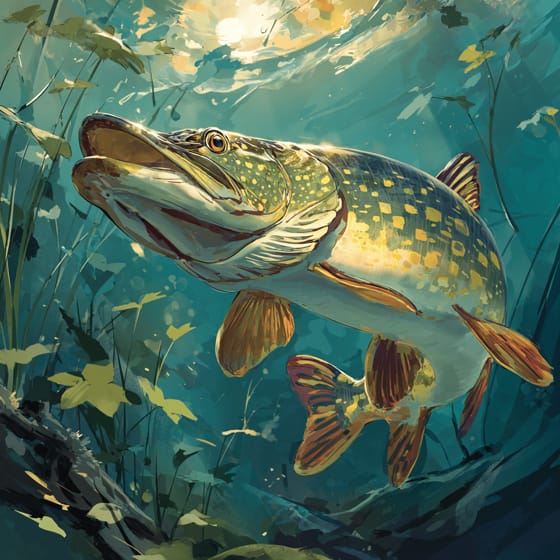
Esox lucius
Large fish may ambush adult grebes.
Gasterosteus aculeatus
Hunts these small fish underwater.

Phragmites australis
Builds nests among these tall plants.
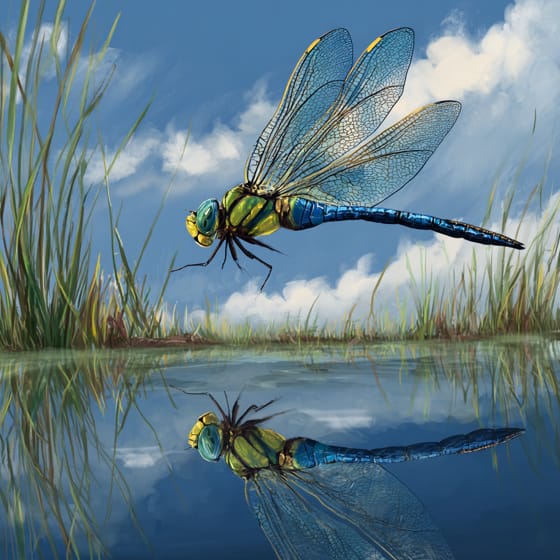
Anax imperator
Devours larvae of this large insect.
Feathered describes animals, primarily birds, possessing a covering of feathers.
Characterized by having toes connected by a membrane, typically aiding in swimming.
Social animals live in organized groups, cooperating for survival benefits such as foraging, defense, and raising offspring.
Filter feeders obtain nutrients by straining suspended food particles and small organisms from water.

Piscivorous organisms are animals that primarily subsist on a diet of fish.

This habitat trait identifies species found in wetlands, which are areas of land saturated with water, either permanently or seasonally, including marshes, swamps, and bogs.

This trait identifies organisms whose diet consists entirely or primarily of animal tissue.

Diurnal animals are primarily active during daylight hours, typically resting or sleeping at night.

Aquatic habitats encompass environments where organisms live predominantly in water, including oceans, rivers, lakes, and wetlands.
Danger
1/5 · Very low
Always watch birds from a distance and do not try to touch them.
The easiest way to identify Little Grebe is to use the Snappit nature identifier app.
23-29 cm
40-45 cm
0.12-0.17 kg
5-10 years
45 km/h
This little bird mostly dives to catch tasty aquatic insects and small fish for its meals.
Wetlands
Zoom in to split clusters and explore where this object has been snapped.
Recent snaps will appear here as new observations are added.
Take the discovery with you
Snap it with Snappit to identify it, learn what makes it special, and add the discovery to your collection.




.jpg&width=800)








