





Reed Bunting
Emberiza schoeniclus
The Reed Bunting is a small bird that loves to live near wetlands and tall grasses. It has a lovely song and can often be seen perched on reeds, singing to attract a mate.
Habitat: Wetlands
The Reed Bunting has a streaky brown back and reddish flanks. Breeding males are easily identified by their striking black head and throat, contrasted with a clean white moustachial stripe and collar. Females and winter males are duller with a streaky brown head.
Category
BirdsRarity
Common
Danger
1/5 · Very low
Snaps
Be the first to snap!
Male Reed Buntings sometimes have two mates at once!
Some Reed Buntings fly all the way to North Africa for winter!
Their nests are so well hidden low in the reeds, they are almost invisible!
They often sing from the very top of a swaying reed, like a tiny conductor!
Reed Buntings can skillfully navigate dense reedbeds because of their agile bodies that help them find food and shelter.
Male Reed Buntings have striking plumage changes because of hormones that help them attract mates during breeding season.
Reed Buntings can switch their diet because of their versatile beak that helps them eat seeds in winter and insects in summer.
Reed Buntings can migrate long distances because of their strong wings that help them escape harsh northern winters.
Feasting on seeds and insects, they adapt their menu with the seasons.
Age differences: Young birds mainly eat protein-rich insects for growth; adults have a more varied diet.

Typha latifolia
Provides nesting sites and cover from predators.

Accipiter nisus
Small raptors like sparrowhawks prey on adult buntings.
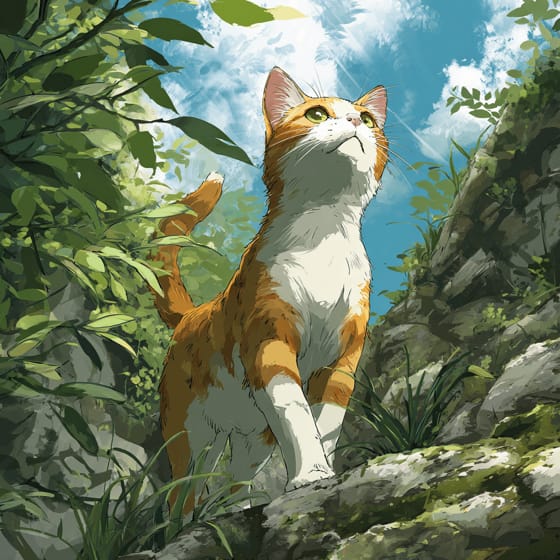
Felis catus
Domestic cats are opportunistic predators of ground-nesting birds.
Phalaris arundinacea
Eats seeds from this grass and uses it for shelter.
Feathered describes animals, primarily birds, possessing a covering of feathers.
Social animals live in organized groups, cooperating for survival benefits such as foraging, defense, and raising offspring.
Singing animals produce complex vocalizations, often for purposes of attracting mates, defending territory, or communicating within their species.
This trait identifies organisms whose diet primarily consists of insects and other small invertebrates.

This habitat trait identifies species found in wetlands, which are areas of land saturated with water, either permanently or seasonally, including marshes, swamps, and bogs.

Diurnal animals are primarily active during daylight hours, typically resting or sleeping at night.
No aliases listed yet.
Danger
1/5 · Very low
Enjoy watching birds from a distance and don't disturb their nests.
The easiest way to identify Reed Bunting is to use the Snappit nature identifier app.
13.5-16 cm
21-27 cm
0.013-0.02 kg
2-5 years
40 km/h
Feasting on seeds and insects, they adapt their menu with the seasons.
Wetlands
Zoom in to split clusters and explore where this object has been snapped.
Recent snaps will appear here as new observations are added.
Take the discovery with you
Snap it with Snappit to identify it, learn what makes it special, and add the discovery to your collection.




.jpg&width=800)









