





dwarf sundew
Drosera brevifolia
The dwarf sundew is a tiny plant that catches bugs with its sticky leaves! It loves to grow in wet places and has beautiful, glistening droplets that look like tiny jewels.
Habitat: Wetlands
The dwarf sundew is a tiny, ground-hugging plant with a rosette of spatula-shaped leaves, often reddish-green to bright red. Its leaves are covered in glistening, sticky tentacles that sparkle like morning dew, making it visually distinct from regular plants.
Category
PlantsRarity
Common
Danger
1/5 · Very low
Snaps
Be the first to snap!
Even though it eats bugs, the dwarf sundew makes its own food from sunlight, just like other plants!
Its scientific name, *Drosera*, comes from a Greek word meaning 'dewy', because its leaves always look sparkly!
Some sundews can curl their whole leaf around bigger prey in just minutes!
These tiny plants are often smaller than a quarter, making them masters of camouflage!
Dwarf sundew has leaves covered in sweet, sticky 'dew' that traps tiny insects, helping it catch food.
This plant can digest insects using special enzymes to get nutrients missing from poor soil, helping it survive.
When an insect lands, its sticky tentacles slowly bend inwards to hug the prey, ensuring no escape!
Formica pallidula
Ants are often attracted to the sweet, sticky dew.
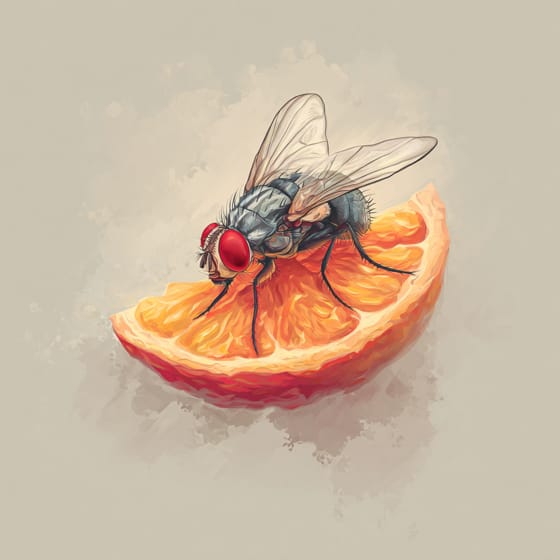
Drosophila melanogaster
Small flies can become easily stuck on its traps.
Apis mellifera
Bees visit its small flowers for nectar, aiding reproduction.
Lasioglossum vierecki
Tiny native bees help carry pollen between flowers.
Flowering plants are any plants that produce flowers as part of their reproductive cycle.
This trait identifies organisms whose diet primarily consists of insects and other small invertebrates.
Rapid growing plants exhibit accelerated growth rates, quickly increasing in size and biomass within a short period.
Carnivorous plants are predatory flowering plants that derive some or most of their nutrients from trapping and consuming animals or protozoans.

This habitat trait identifies species found in wetlands, which are areas of land saturated with water, either permanently or seasonally, including marshes, swamps, and bogs.

Pertaining to species that are significantly smaller than typical or average for their kind.
No aliases listed yet.
Danger
1/5 · Very low
Don't touch the leaves too much; they are special and need to catch bugs!
The easiest way to identify dwarf sundew is to use the Snappit nature identifier app.
1-5 cm
2-6 cm
0.3-0.8 cm
Spring to early summer
No
None
Perennial
Zoom in to split clusters and explore where this object has been snapped.
Recent snaps will appear here as new observations are added.

Alabama, US
You might spot Elf Orpine, Canada Goose, and Leatherleaf Mahonia.
View guide →

Alabama, US
You might spot Elf Orpine, Canada Goose, and Great Blue Heron.
View guide →

Mississippi, US
You might spot Golden Club, Southern Cricket Frog, and Dwarf Sundew.
View guide →
Take the discovery with you
Snap it with Snappit to identify it, learn what makes it special, and add the discovery to your collection.








.jpg&width=800)



_001.jpg&width=800)




