_Willd._-_white_stopper_(3777295745).jpg&width=800)





White Stopper
Eugenia axillaris
The White Stopper is a lovely shrub that grows in warm places. It has shiny leaves and produces small white flowers that turn into tasty fruits for birds and other animals.
Habitat: Coastal areas
The White Stopper is a shrub or small tree with glossy, dark green leaves that often have reddish new growth. It produces small, fluffy white flowers that are highly fragrant, followed by tiny, round berries that ripen from green to dark red or black.
Category
PlantsRarity
Common
Danger
1/5 · Very low
Snaps
Be the first to snap!
Birds absolutely adore its tiny, sweet, dark red to black berries!
Its leaves, when crushed, release a delightful scent reminiscent of nutmeg and cloves!
Some people call this plant 'Cinnamon Bark' because of its smooth, reddish-brown bark!
The 'stopper' in its name refers to its historical use as a natural astringent.
White Stopper can tolerate salty air and soil, helping it thrive in harsh coastal environments.
This plant continuously produces fruit, providing a steady, reliable food source for many animals throughout the year.
Its leaves release a spicy, aromatic scent when crushed, which may deter some herbivores.
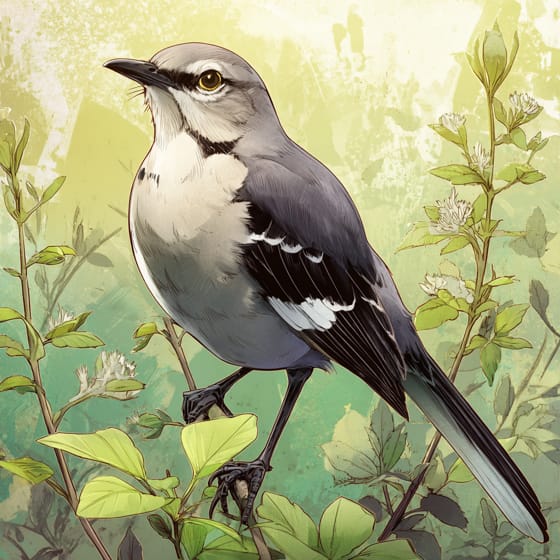
Mimus polyglottos
Feeds on its small, dark berries.
Apis mellifera
Visits its white flowers for nectar and pollen.

Procyon lotor
Consumes its ripe, sweet fruit.

Vireo griseus
Nests within its dense foliage.
Aromatic plants produce and emit fragrant volatile organic compounds, often for defense or to attract pollinators.
Flowering plants are any plants that produce flowers as part of their reproductive cycle.
A shrub is a woody plant smaller than a tree, typically with multiple stems branching from or near the ground.
Evergreen plants retain their foliage throughout the year, never shedding all their leaves at once.

Fruit-bearing plants produce fruits, which are the mature ovaries of flowering plants containing seeds.

Medicinal plants possess chemical compounds that can be used for therapeutic purposes to treat illnesses or maintain health.

Edible plants are those parts of a plant that are considered safe for human consumption.

Describes plants that are particularly attractive and beneficial to a wide range of pollinating organisms.

Coastal habitats are dynamic environments located along the interface between land and sea, influenced by tides, waves, and saltwater.
No aliases listed yet.
Danger
1/5 · Very low
Always ask an adult before trying to eat any wild fruits.
The easiest way to identify White Stopper is to use the Snappit nature identifier app.
300-600 cm
200-500 cm
0.5-1 cm
Year-round in warm regions, peaking spring/summer
Yes
None
Perennial
Zoom in to split clusters and explore where this object has been snapped.
Recent snaps will appear here as new observations are added.
Take the discovery with you
Snap it with Snappit to identify it, learn what makes it special, and add the discovery to your collection.









.jpg&width=800)



_001.jpg&width=800)


