





Edge-striped Shield Bug
Elasmucha lateralis
The Edge-striped Shield Bug is a small insect with a unique shape and colorful stripes. They are often found on plants, where they blend in well and help keep gardens healthy.
Habitat: Urban areas
The Edge-striped Shield Bug is a small, oval-shaped insect typically reddish-brown with a distinct pale, yellowish stripe running along the outer edges of its thorax. Its body has a characteristic shield-like shape, making it blend well with tree bark. This stripe helps differentiate it from similar forest shield bugs.
Category
InsectsRarity
Common
Danger
1/5 · Very low
Snaps
Be the first to snap!
Edge-striped Shield Bugs love to sip sap from birch and alder trees!
It can blend perfectly with tree bark, making it super hard to spot!
Its tiny babies, called nymphs, are often brightly colored and gather together!
This bug is one of the few insects where the mother cares for her young!
The Edge-striped Shield Bug can release a foul-smelling liquid to deter predators, because it helps them escape danger.
This bug has a rare insect ability: the mother guards her eggs and young, which helps improve their survival rates.
Edge-striped Shield Bugs have a straw-like mouthpart that helps them precisely drink plant sap for nourishment.
This bug sips plant juice from trees to grow big and strong!
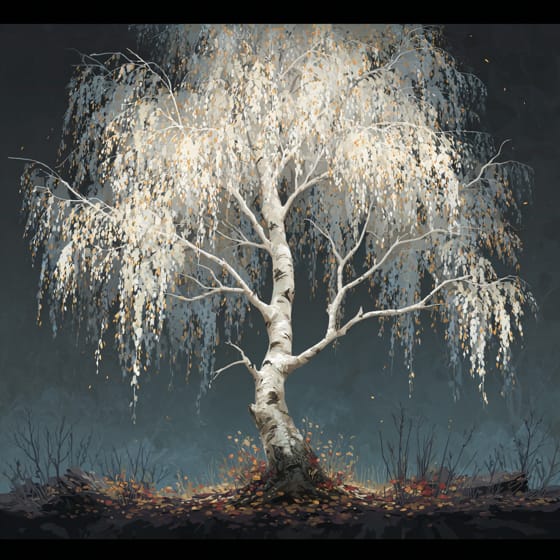
Betula pendula
Feeds on sap from its leaves and twigs.
%2C_Parc_de_Woluw%C3%A9%2C_Brussels_(13042792905).jpg&width=800)
Parus major
Small birds often feast on these bugs.
Telenomus nitidulus
Tiny wasps lay eggs inside shield bug eggs.
Marked with parallel bands or lines of color.
Solitary animals live alone for most of their lives, only interacting with others for mating or parental care.
Camouflaged describes organisms that possess coloring or patterns that allow them to blend into their environment.
Colorful describes organisms or objects displaying a wide range of bright and distinct colors.

This trait characterizes organisms whose diet consists entirely or primarily of plant material.

Diurnal animals are primarily active during daylight hours, typically resting or sleeping at night.

This habitat trait indicates species that can coexist with humans in urban and suburban environments, utilizing man-made structures and green spaces.

Describes organisms that transfer pollen, enabling the fertilization and reproduction of plants.
No aliases listed yet.
Danger
1/5 · Very low
These bugs are safe to observe but don't touch them too much.
The easiest way to identify Edge-striped Shield Bug is to use the Snappit nature identifier app.
10-16 mm
5-8 mm
200-365 days
2 km/h
This bug sips plant juice from trees to grow big and strong!
Urban areas
Foraging
Zoom in to split clusters and explore where this object has been snapped.
Recent snaps will appear here as new observations are added.
Take the discovery with you
Snap it with Snappit to identify it, learn what makes it special, and add the discovery to your collection.








.jpg&width=800)



