



Egyptian Vulture
Neophron percnopterus
The Egyptian Vulture is a unique bird with white feathers and a yellow face. It's known for using rocks to crack open eggs for food.
Habitat: Desert
The Egyptian Vulture has a striking white body with black flight feathers, giving it a high-contrast appearance in flight. Its head is small and bare, featuring a distinctive wrinkled yellow face and a shaggy mane of feathers around its neck.
Category
BirdsRarity
Common
Danger
2/5 · Low
Snaps
Be the first to snap!
Ancient Egyptians revered them, using them in hieroglyphs as the letter 'A'.
Their unique eating habits help stop the spread of diseases from dead animals.
They're sometimes called "Pharaoh's Chicken" because of their ancient importance.
Unlike many vultures, they'll eat fruits and vegetables if very hungry!
Egyptian Vulture can crack tough eggs by dropping stones, a unique tool-using ability that helps them access nutritious food.
Egyptian Vulture has a powerful digestive system that helps them safely consume decaying animals, keeping ecosystems healthy and clean.
Egyptian Vulture can poop on its own legs to cool down, a process called urohydrosis that helps them regulate body temperature.
This resourceful bird cleans up nature by mostly eating dead animals and eggs!
Canis lupus
Scavenges remains left by predators.
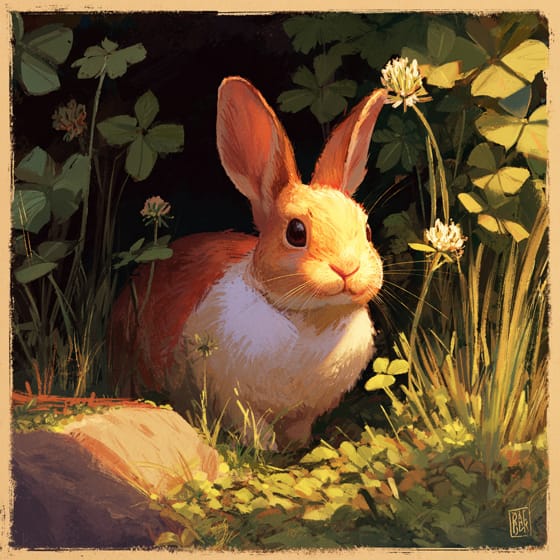
Oryctolagus cuniculus
Scavenges on rabbit carcasses, like roadkill.
Struthio camelus
Uses tools to break open ostrich eggs.
Gyps fulvus
Often seen scavenging alongside other vultures.
Social animals live in organized groups, cooperating for survival benefits such as foraging, defense, and raising offspring.
Aerial creatures spend a significant portion of their lives airborne, utilizing flight for various activities such as hunting, migration, or nesting.
Thermoregulating organisms maintain a stable internal body temperature despite fluctuations in the external environment.
This trait describes organisms that manipulate external objects to achieve a specific goal.

Desert habitats are arid regions characterized by extremely low precipitation and often extreme temperatures, supporting specialized flora and fauna.

This trait signifies organisms belonging to a very old evolutionary group with ancestors dating back millions of years.

This trait identifies organisms whose diet consists entirely or primarily of animal tissue.
Regenerative organisms possess the ability to regrow lost or damaged body parts, tissues, or organs.
Danger
2/5 · Low
Watch these birds from a distance and never disturb their nests.
The easiest way to identify Egyptian Vulture is to use the Snappit nature identifier app.
55-65 cm
155-170 cm
1.6-2.4 kg
20-30 years
60 km/h
This resourceful bird cleans up nature by mostly eating dead animals and eggs!
Desert
Zoom in to split clusters and explore where this object has been snapped.
Recent snaps will appear here as new observations are added.
Take the discovery with you
Snap it with Snappit to identify it, learn what makes it special, and add the discovery to your collection.





.jpg&width=800)










