





Northern Rough-winged Swallow
Stelgidopteryx serripennis
The Northern Rough-winged Swallow is a small bird with a brownish body and a unique rough edge on its wings. These birds love to fly and catch insects in the air, making them fun to watch!
Habitat: Coastal areas, Urban areas, Wetlands
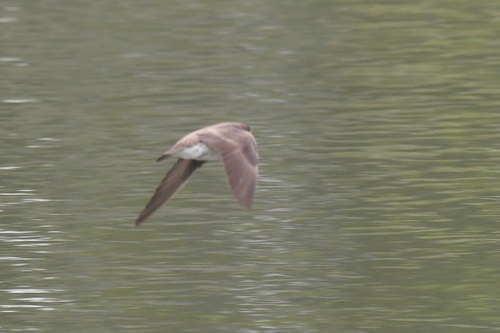
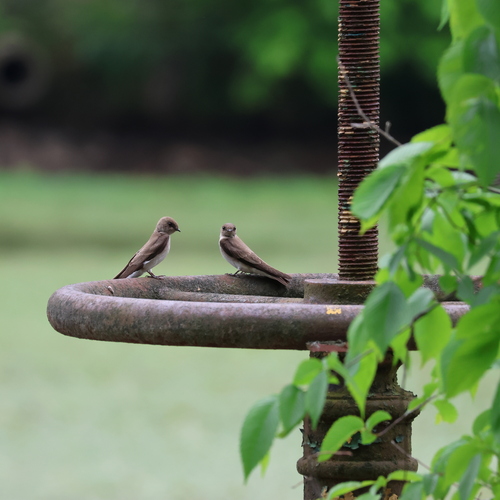
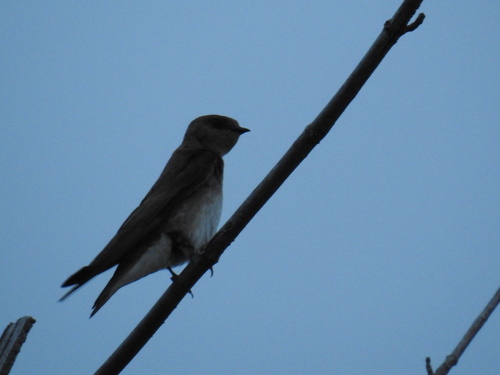
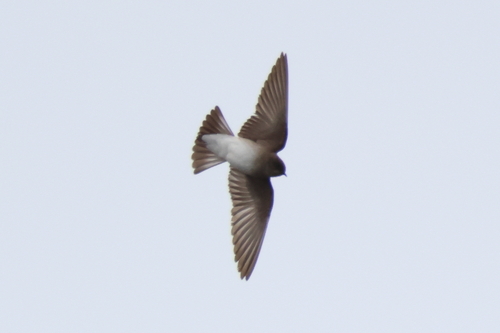
The Northern Rough-winged Swallow is a medium-sized bird with a dull brown back, dusky throat and breast, and a white belly. Its most distinct feature is the tiny, hook-like serrations on its outer primary wing feathers, giving it a 'rough' edge.
Category
BirdsRarity
Common
Danger
1/5 · Very low
Snaps
36
These swallows get their name from tiny hooks on their wing feathers!
They often reuse old kingfisher or even groundhog burrows for their nests.
They sometimes line their cozy nest tunnels with snake skins!
Unlike many other swallows, they rarely nest in huge colonies.
Northern Rough-winged Swallows can catch insects mid-flight because of their agile wings, allowing them to twist and turn rapidly.
Northern Rough-winged Swallows can dig their own nest tunnels into earthen banks because of their strong bills, providing a safe nursery.
Northern Rough-winged Swallows have unique rough-edged wing feathers that might help them feel subtle air currents during flight.
These swallows are insectivores, catching flying bugs like mosquitoes and flies right out of the air!
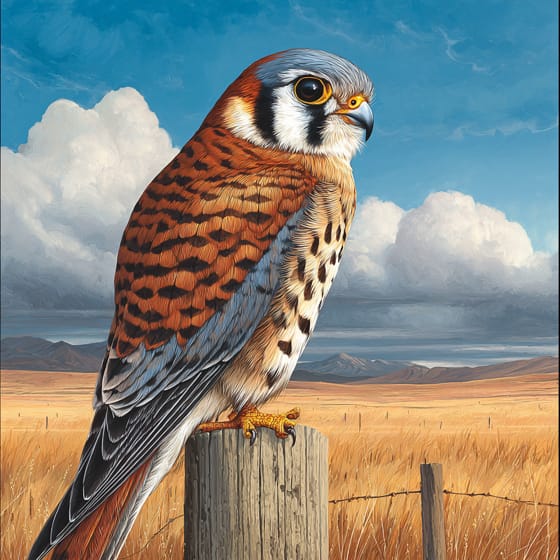
Falco sparverius
Kestrels are known predators of small birds.
Musca domestica
Swallows actively hunt and eat these common flying insects.
Culex pipiens
These swallows help control mosquito populations.
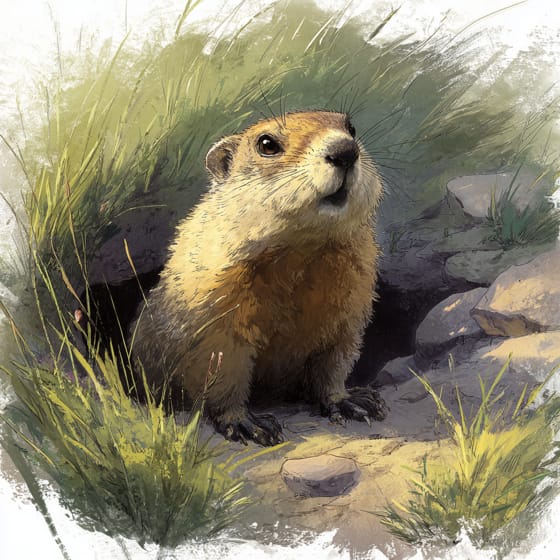
Marmota monax
Swallows often reuse abandoned groundhog burrows for nesting.
Feathered describes animals, primarily birds, possessing a covering of feathers.
Social animals live in organized groups, cooperating for survival benefits such as foraging, defense, and raising offspring.
This trait identifies organisms whose diet primarily consists of insects and other small invertebrates.
This habitat trait identifies species found in wetlands, which are areas of land saturated with water, either permanently or seasonally, including marshes, swamps, and bogs.

Coastal habitats are dynamic environments located along the interface between land and sea, influenced by tides, waves, and saltwater.

Diurnal animals are primarily active during daylight hours, typically resting or sleeping at night.

This trait identifies organisms that exhibit exceptional swiftness in movement for hunting, escape, or travel.

Migratory animals undertake seasonal movements from one region to another, typically in response to changes in climate or food availability.

This habitat trait indicates species that can coexist with humans in urban and suburban environments, utilizing man-made structures and green spaces.
No aliases listed yet.
Danger
1/5 · Very low
Enjoy watching birds from a distance and be quiet so you don't scare them away.
The easiest way to identify Northern Rough-winged Swallow is to use the Snappit nature identifier app.
12-15 cm
27-30 cm
0.01-0.018 kg
2-6 years
55 km/h
These swallows are insectivores, catching flying bugs like mosquitoes and flies right out of the air!
Coastal areas, Urban areas, Wetlands
Zoom in to split clusters and explore where this object has been snapped.
Jun 6, 2026
Mount EcclesiaPhoto attribution
(c) zr217, some rights reserved (CC BY)
License: CC BY 4.0 ↗
Image may be shown cropped inside the card frame.
Jun 6, 2026
Reeves-Reed ArboretumPhoto attribution
(c) foxsu, some rights reserved (CC BY)
License: CC BY 4.0 ↗
Image may be shown cropped inside the card frame.
Jun 1, 2026
Chesapeake ArboretumPhoto attribution
(c) Laura Mae, some rights reserved (CC BY)
License: CC BY 4.0 ↗
Image may be shown cropped inside the card frame.
Apr 26, 2026
Scottsville Historic DistrictPhoto attribution
(c) Andre Knocklein, some rights reserved (CC BY)
License: CC BY 4.0 ↗
Image may be shown cropped inside the card frame.
Apr 25, 2026
Columbia CanalPhoto attribution
(c) Grant Foster, some rights reserved (CC BY)
License: CC BY 4.0 ↗
Image may be shown cropped inside the card frame.

California, US
You might spot Acorn Woodpecker and Western Fence Lizard.
View guide →

Michigan, US
You might spot Monarch, Canada Goose, and Eastern Gray Squirrel.
View guide →

Michigan, US
You might spot Monarch, Canada Goose, and Eastern Gray Squirrel.
View guide →

New York, US
You might spot White Snakeroot, Rock Pigeon, and Eastern Gray Squirrel.
View guide →

South Carolina, US
You might spot Great Blue Heron, Spanish Moss, and Cahaba Lily.
View guide →

Michigan, US
You might spot Monarch, Canada Goose, and Eastern Gray Squirrel.
View guide →
Take the discovery with you
Snap it with Snappit to identify it, learn what makes it special, and add the discovery to your collection.




.jpg&width=800)








