





Elaphe obsoleta lindheimeri
Elaphe obsoleta lindheimeri
The Western Rat Snake is a friendly snake that can be black, gray, or even yellow! They are great climbers and love to explore trees and bushes.
Habitat: Forests
The Elaphe obsoleta lindheimeri is a large, non-venomous snake typically displaying a black to dark brown body with irregular white or yellowish blotches. Its distinct pattern helps it blend seamlessly into its varied habitats, differing from many solid-colored rat snakes.
Category
ReptilesRarity
Common
Danger
1/5 · Very low
Snaps
Be the first to snap!
Sometimes called "chicken snakes" because they love to snack on chicken eggs and chicks!
They are expert egg-eaters, often swallowing entire bird eggs much larger than their head!
This amazing snake can climb straight up rough tree trunks like a pro!
When scared, it might vibrate its tail in leaves, sounding just like a rattlesnake!
Elaphe obsoleta lindheimeri has keeled scales and strong muscles that help them expertly climb trees and structures.
Elaphe obsoleta lindheimeri can vibrate its tail rapidly in dry leaves, creating a rattling sound to scare away threats.
Elaphe obsoleta lindheimeri can release a foul-smelling musk when threatened, making predators think twice.
A powerful hunter, this snake eats rodents, birds, and eggs to stay healthy.
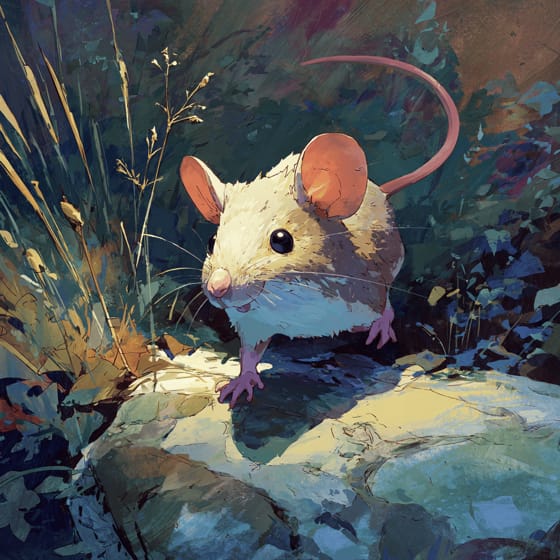
Mus musculus
A key part of their diet, found in farms and homes.
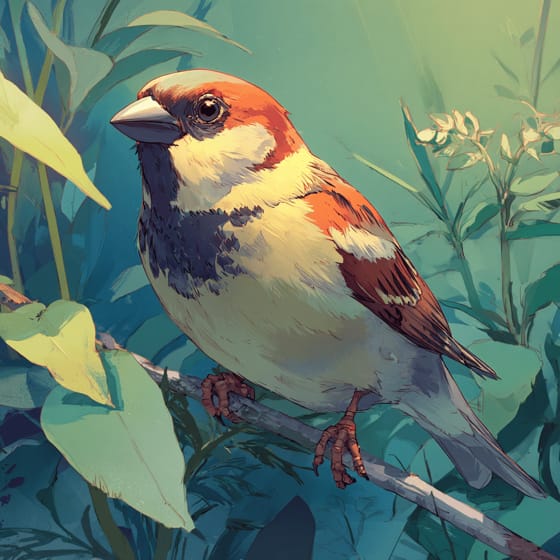
Passer domesticus
Climbs trees to snatch eggs and nestlings from nests.
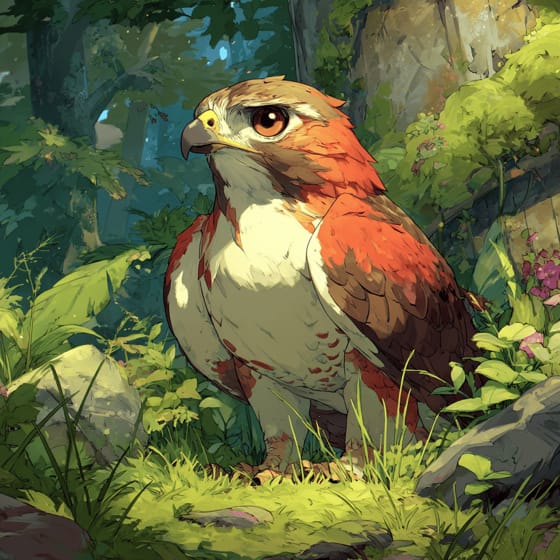
Buteo jamaicensis
Young snakes can become a meal for this powerful raptor.
Didelphis virginiana
Opportunistic predators that may consume these snakes.
Marked with parallel bands or lines of color.
Arboreal animals live primarily in trees, utilizing them for shelter, food, and protection from predators.
Colorful describes organisms or objects displaying a wide range of bright and distinct colors.
Forest habitats are terrestrial environments dominated by dense tree cover, supporting a high diversity of plant and animal life.

This trait identifies organisms whose diet consists entirely or primarily of animal tissue.

Diurnal animals are primarily active during daylight hours, typically resting or sleeping at night.
No aliases listed yet.
Danger
1/5 · Very low
Always watch from a distance and never try to touch a wild snake.
The easiest way to identify Elaphe obsoleta lindheimeri is to use the Snappit nature identifier app.
120-210 cm
0.5-2.5 kg
10-15 years
8 km/h
A powerful hunter, this snake eats rodents, birds, and eggs to stay healthy.
Forests
Ambush
Zoom in to split clusters and explore where this object has been snapped.
Recent snaps will appear here as new observations are added.
Take the discovery with you
Snap it with Snappit to identify it, learn what makes it special, and add the discovery to your collection.












