Prairie Lizard
Sceloporus consobrinus
The Prairie Lizard is a small, colorful lizard that loves to bask in the sun. It has a unique pattern that helps it blend into the grass and rocks of its home.
Habitat: Grasslands
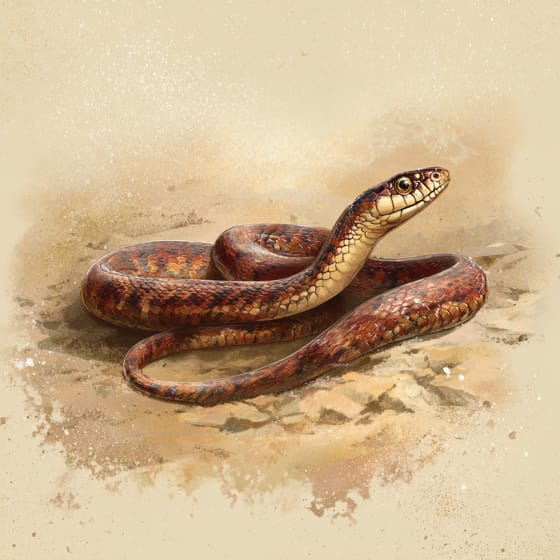
The Prairie Lizard has a flat body, typically grayish-brown or tan with dark spots and often stripes. Males flash bright blue patches on their throat and belly, especially vibrant during breeding season.
Category
ReptilesRarity
Common
Danger
1/5 · Very low
Snaps
12
Each Prairie Lizard has a unique pattern of spots, like a special fingerprint!
Male Prairie Lizards do push-ups to show off their blue throat patches!
These lizards can hear super well, even tiny rustles in the grass!
They spend winter in a sleepy state called brumation, buried safely underground!
Prairie Lizard can drop its tail if caught, which wiggles to distract predators, giving the lizard time to run away!
Prairie Lizard has scales that help it change color slightly, making it disappear against rocks and dirt.
Prairie Lizard has strong claws and rough scales that help it climb rocks and tree trunks with ease.
These tiny hunters gobble up all sorts of creepy crawlies like grasshoppers and spiders!
Age differences: Young lizards eat smaller insects than adults do.
Camouflaged describes organisms that possess coloring or patterns that allow them to blend into their environment.
Colorful describes organisms or objects displaying a wide range of bright and distinct colors.
Grassland habitats are terrestrial biomes dominated by grasses and herbaceous plants, supporting a variety of grazing animals.
This trait identifies organisms whose diet primarily consists of insects and other small invertebrates.

Thermoregulating organisms maintain a stable internal body temperature despite fluctuations in the external environment.

Diurnal animals are primarily active during daylight hours, typically resting or sleeping at night.

This trait identifies organisms that exhibit exceptional swiftness in movement for hunting, escape, or travel.
No aliases listed yet.
Danger
1/5 · Very low
If you see a lizard, watch it from a distance and don't try to catch it.
The easiest way to identify Prairie Lizard is to use the Snappit nature identifier app.
13-23 cm
0.004-0.01 kg
2-5 years
15 km/h
These tiny hunters gobble up all sorts of creepy crawlies like grasshoppers and spiders!
Grasslands
Ambush
Zoom in to split clusters and explore where this object has been snapped.

Arkansas, US
You might spot Pear-Shaped Puffball and American Beautyberry.
View guide →

Oklahoma, US
You might spot Lace Hedgehog Cactus and Star Cloak Fern.
View guide →

Missouri, US
You might spot Blackjack Oak, Bird's Foot Violet, and Starry Campion.
View guide →

New Mexico, US
You might spot Sunflower, Sideoats Grama, and Tree Cholla.
View guide →

Colorado, US
You might spot African Penguin, Red Panda, and African Lion.
View guide →

Arkansas, US
You might spot Rainbow Trout and Spicebush Swallowtail.
View guide →
Take the discovery with you
Snap it with Snappit to identify it, learn what makes it special, and add the discovery to your collection.