





Elaphurus davidianus
Elaphurus davidianus
The Elaphurus davidianus, also known as the Milu or Pere David's deer, is a special deer that lives in wetlands. They have long legs and beautiful antlers, and they love to splash in the water!
Habitat: Wetlands
The Elaphurus davidianus is a large deer with a distinctive sandy-brown summer coat, changing to greyish-brown in winter. It has unique, long antlers that grow backwards and fork multiple times, unlike most deer. Its long, donkey-like tail ends with a prominent black tuft.
Category
MammalsRarity
Rare
Danger
2/5 · Low
Snaps
Be the first to snap!
Every wild Milu deer alive today descended from just 18 individuals sent to Europe.
Milu deer are nicknamed 'four-unlike' for their unique mix of animal features!
They were reintroduced to China after being completely extinct in the wild for centuries.
Unlike most deer, Milu antlers can amazingly shed and regrow twice in a single year!
Elaphurus davidianus can swim very well because of their partially webbed hooves that help them move efficiently through water.
Elaphurus davidianus has unusual antlers that grow backward, which helps them maneuver through dense wetland vegetation.
Elaphurus davidianus has a highly developed sense of smell that helps them detect predators and find hidden aquatic food sources.
Milu deer are herbivores that munch on various plants, especially those found in wetlands.
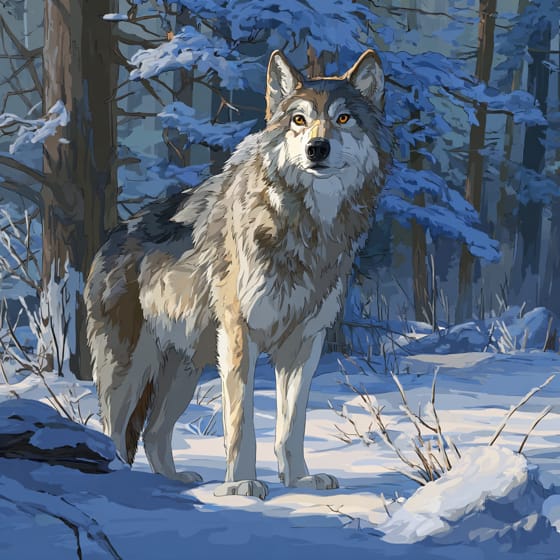
Canis lupus
historically hunted adults and young
Typha latifolia
aquatic plant, a major food source

Phalaris arundinacea
common wetland grass, highly palatable

Homo sapiens
for reintroduction and ongoing habitat protection
Furry describes animals possessing a dense covering of soft hair or fur.
Social animals live in organized groups, cooperating for survival benefits such as foraging, defense, and raising offspring.
Antlered describes animals possessing antlers, which are bony, branching growths found predominantly on male deer and related species.
This trait characterizes organisms whose diet consists entirely or primarily of plant material.

This habitat trait identifies species found in wetlands, which are areas of land saturated with water, either permanently or seasonally, including marshes, swamps, and bogs.

Diurnal animals are primarily active during daylight hours, typically resting or sleeping at night.

Aquatic habitats encompass environments where organisms live predominantly in water, including oceans, rivers, lakes, and wetlands.

Endangered status indicates a species is at a very high risk of extinction in the wild in the near future.
Danger
2/5 · Low
Always watch from a distance and do not disturb wild animals.
The easiest way to identify Elaphurus davidianus is to use the Snappit nature identifier app.
180-210 cm
150-200 kg
15-18 years
45 km/h
Milu deer are herbivores that munch on various plants, especially those found in wetlands.
Wetlands
Grazing
Zoom in to split clusters and explore where this object has been snapped.
Recent snaps will appear here as new observations are added.
Take the discovery with you
Snap it with Snappit to identify it, learn what makes it special, and add the discovery to your collection.




.jpg&width=800)



.JPG&width=800)


.jpg&width=800)
