.jpg&width=800)





Eurasian Pine Marten
Martes martes
The Eurasian Pine Marten is a small, furry animal that loves to climb trees and explore the forest. With its bushy tail and playful nature, it is a fun creature to spot in the wild!
Habitat: Forests
The Eurasian Pine Marten has a sleek, chocolate-brown fur coat with a distinctive creamy-yellow 'bib' on its throat and chest. Its long, bushy tail, prominent ears, and pointed muzzle give it a nimble and alert appearance, making it distinct from smaller mustelids.
Category
MammalsRarity
Common
Danger
2/5 · Low
Snaps
Be the first to snap!
Pine martens use a special scent to mark their forest territory.
Sometimes, they follow squirrels to steal their hidden food caches!
Their strong jaws can crack open tough nuts and bird eggs easily.
They build cozy nests, called 'dens', in tree holes or old bird nests!
Eurasian Pine Marten can expertly climb trees because of its semi-retractable claws and agile body, helping them hunt and escape predators in the canopy.
Eurasian Pine Marten has excellent night vision that helps them hunt in the dark forests, finding small prey even in low light conditions.
Eurasian Pine Marten can delay the development of its embryos for months, helping them time the birth of kits for optimal survival conditions.
An agile hunter, it enjoys a varied diet of small animals, fruits, and insects found in its forest home.

Myodes glareolus
A primary food source in many forest habitats.
Sciurus vulgaris
Preys on both adults and young squirrels.
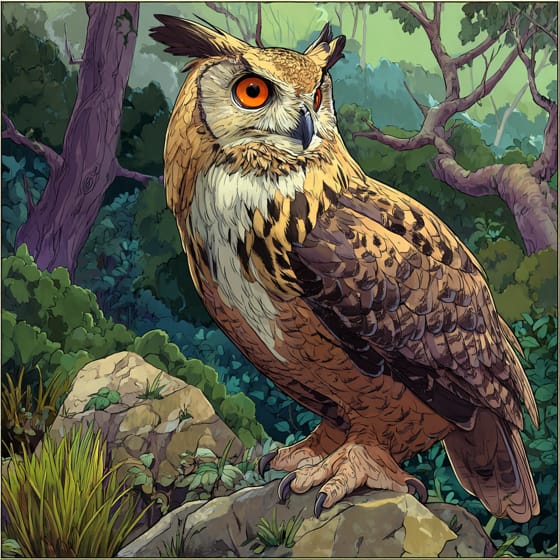
Bubo bubo
A powerful raptor that can prey on pine martens.

Fagus sylvatica
Its nuts are an important food source in autumn.
Furry describes animals possessing a dense covering of soft hair or fur.
Solitary animals live alone for most of their lives, only interacting with others for mating or parental care.
This trait identifies organisms whose diet includes both plant and animal matter.
Arboreal animals live primarily in trees, utilizing them for shelter, food, and protection from predators.

Forest habitats are terrestrial environments dominated by dense tree cover, supporting a high diversity of plant and animal life.

This trait identifies organisms whose diet consists entirely or primarily of animal tissue.
No aliases listed yet.
Danger
2/5 · Low
If you see a Pine Marten in the wild, enjoy watching it from a distance and do not try to touch it.
The easiest way to identify Eurasian Pine Marten is to use the Snappit nature identifier app.
40-58 cm
0.8-2.2 kg
8-10 years
35 km/h
An agile hunter, it enjoys a varied diet of small animals, fruits, and insects found in its forest home.
Forests
Pursuit
Zoom in to split clusters and explore where this object has been snapped.
Recent snaps will appear here as new observations are added.
Take the discovery with you
Snap it with Snappit to identify it, learn what makes it special, and add the discovery to your collection.




.jpg&width=800)


.JPG&width=800)



.jpg&width=800)
