





Asian Small Cats
Prionailurus
Asian Small Cats are tiny, playful cats that love to explore! They have beautiful spotted fur and are great at climbing trees. These little cats are very curious and enjoy playing in the grass.
Habitat: Wetlands
The Asian Small Cats has a varied appearance, often featuring spotted or marbled coats in shades of tawny, gray, or reddish-brown. Their bodies are typically slender with relatively short legs and a medium-length tail. Distinctive markings like stripes on the head or a white belly often differentiate them from larger, more uniform wild cats.
Category
MammalsRarity
Common
Danger
3/5 · Moderate
Snaps
Be the first to snap!
Each small cat has unique spot patterns, like a natural fingerprint!
Some can purr when content, a sound rarely heard in the wild!
Their long whiskers help them navigate dark, tight spaces easily!
They communicate with each other using over a dozen different sounds!
Asian Small Cats can dive and swim expertly because of their webbed feet and water-resistant fur, helping them catch fish.
Asian Small Cats has sharp, retractable claws that help them climb trees quickly to hunt birds or escape danger.
Asian Small Cats can see incredibly well in the dark because of large eyes, allowing them to hunt unseen at night.
These agile hunters mostly eat small animals like rodents, birds, and even fish!

Rattus rattus
A primary food source for many small cat species.

Passer domesticus
Common bird prey caught by agile small cats.

Panthera pardus
Larger predators may occasionally prey on small cats.
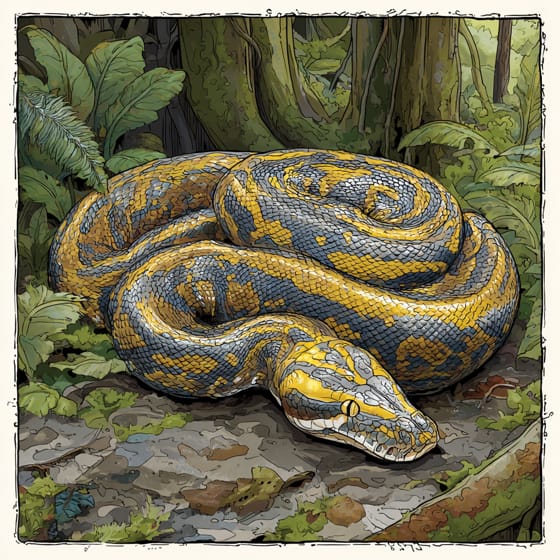
Python reticulatus
Large snakes can be a threat, especially to kittens.
Furry describes animals possessing a dense covering of soft hair or fur.
Marked with spots or patches of a different color.
Solitary animals live alone for most of their lives, only interacting with others for mating or parental care.
Arboreal animals live primarily in trees, utilizing them for shelter, food, and protection from predators.

This habitat trait identifies species found in wetlands, which are areas of land saturated with water, either permanently or seasonally, including marshes, swamps, and bogs.

This trait identifies organisms whose diet consists entirely or primarily of animal tissue.

Aquatic habitats encompass environments where organisms live predominantly in water, including oceans, rivers, lakes, and wetlands.

Nocturnal animals are primarily active during the nighttime hours, typically resting or sleeping during the day.

Endangered status indicates a species is at a very high risk of extinction in the wild in the near future.
Danger
3/5 · Moderate
Always watch from a distance and never try to touch wild animals.
The easiest way to identify Asian Small Cats is to use the Snappit nature identifier app.
35-90 cm
1-16 kg
8-15 years
40 km/h
These agile hunters mostly eat small animals like rodents, birds, and even fish!
Wetlands
Ambush
Zoom in to split clusters and explore where this object has been snapped.
Recent snaps will appear here as new observations are added.
Take the discovery with you
Snap it with Snappit to identify it, learn what makes it special, and add the discovery to your collection.




.jpg&width=800)



.JPG&width=800)



.jpg&width=800)
