





Elbow-striped Grass-veneer
Agriphila geniculea
The Elbow-striped Grass-veneer is a small, colorful moth that loves to flutter around grassy areas. Its unique stripes help it blend in with the grass, making it a fun little creature to spot!
Habitat: Grasslands
The Elbow-striped Grass-veneer has narrow, straw-yellow or brownish forewings marked with a distinctive, bent white or cream stripe edged with darker scales. Its long, forward-pointing labial palps are prominent, and the hindwings are uniformly plain grey, helping it blend into grassy habitats.
Category
InsectsRarity
Common
Danger
1/5 · Very low
Snaps
Be the first to snap!
Adults drink flower nectar, making them important nighttime pollinators!
Its caterpillars build secret silk tunnels hidden in the grass roots!
Some years, so many appear, they are like a "grass-veneer" carpet!
This moth can tell friends apart just by their unique scent signals!
Elbow-striped Grass-veneer has subtle stripe patterns that help them blend perfectly into dry grass stems to hide from predators.
Elbow-striped Grass-veneer larvae can munch on tough grass roots and stems, allowing them to extract nutrients from common plants.
Elbow-striped Grass-veneer can sip nectar from various flowers, providing them with energy for flight and reproduction.
Young moths munch grass roots; adults sip sweet flower nectar.
Age differences: Larvae feed on grass roots and stems; adults feed on nectar.
Poa annua
Its larvae feed on the roots and stems.
Pipistrellus pipistrellus
This bat hunts flying moths at night.
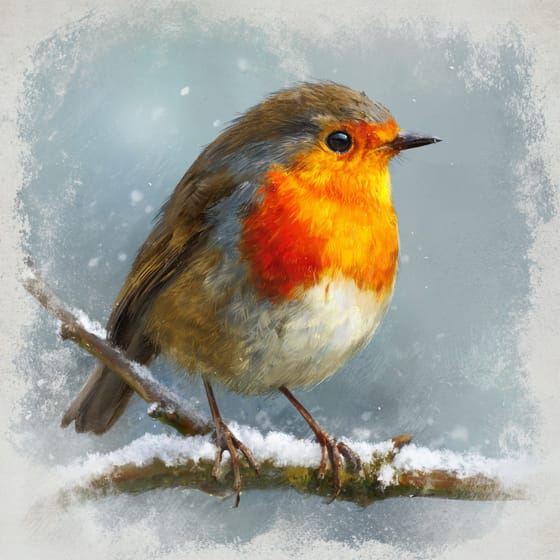
Erithacus rubecula
This bird preys on adult moths during the day.
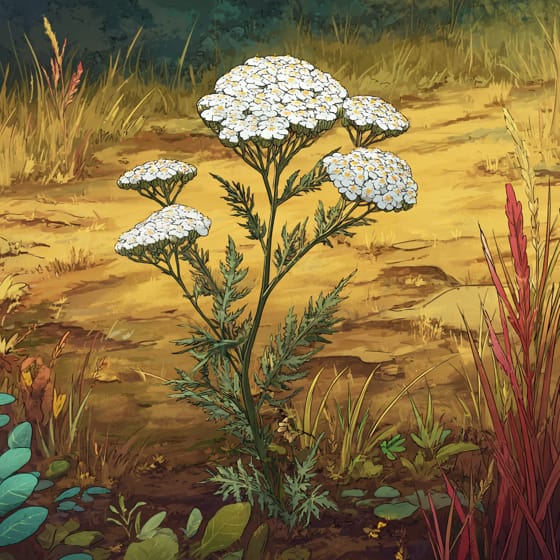
Achillea millefolium
Adult moths visit its flowers for nectar.
Marked with parallel bands or lines of color.
Solitary animals live alone for most of their lives, only interacting with others for mating or parental care.
Colorful describes organisms or objects displaying a wide range of bright and distinct colors.
Grassland habitats are terrestrial biomes dominated by grasses and herbaceous plants, supporting a variety of grazing animals.

This trait characterizes organisms whose diet consists entirely or primarily of plant material.

Diurnal animals are primarily active during daylight hours, typically resting or sleeping at night.

Describes organisms that transfer pollen, enabling the fertilization and reproduction of plants.
No aliases listed yet.
Danger
1/5 · Very low
Moths are usually safe to watch, but don’t touch them as they can be delicate.
The easiest way to identify Elbow-striped Grass-veneer is to use the Snappit nature identifier app.
20-26 mm
10-15 mm
7-21 days
Young moths munch grass roots; adults sip sweet flower nectar.
Grasslands
Foraging
6
Zoom in to split clusters and explore where this object has been snapped.
Recent snaps will appear here as new observations are added.
Take the discovery with you
Snap it with Snappit to identify it, learn what makes it special, and add the discovery to your collection.






.jpg&width=800)



