





Elephant Hawkmoth
Deilephila elpenor
The Elephant Hawkmoth is a colorful insect that looks like a tiny elephant! It has big eyes and beautiful green and pink wings. This moth loves to fly around flowers at night.
Habitat: Gardens
The Elephant Hawkmoth has a stout, olive-green body with bold pink stripes and markings. Its forewings are green with pink borders, while the hindwings are a brighter pink. Its striking colors make it easily recognizable.
Category
InsectsRarity
Common
Danger
1/5 · Very low
Snaps
1
Baby Elephant Hawkmoths (caterpillars) are green or brown with four big "fake eyes"!
Its long feeding tube, a proboscis, can be even longer than its entire body!
Its name likely comes from the caterpillar's flexible, trunk-like snout, not the adult moth!
One of the biggest, most beautiful moths you can spot in gardens at twilight!
Elephant Hawkmoth can hover expertly while using its long proboscis to drink nectar from deep flowers at dusk.
Its caterpillar has false eye spots and can retract its head to mimic a small snake, scaring predators.
Elephant Hawkmoth has powerful wing muscles for incredibly fast, direct flight, making it a tricky insect to spot.
Adults sip nectar from flowers, while caterpillars munch on leaves of various plants.
Age differences: Larvae eat plant leaves, but adults drink nectar.

Lonicera periclymenum
helps flowers grow when sipping nectar.
Plecotus auritus
a tasty snack for hungry bats at night.

Epilobium hirsutum
caterpillars munch on its leaves to grow big.
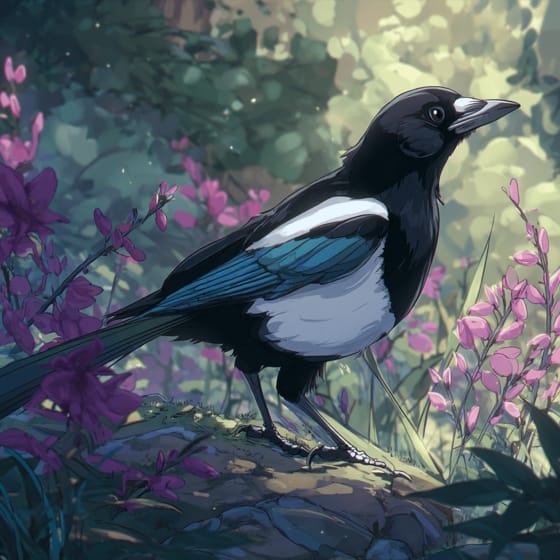
Pica pica
birds often prey on its large caterpillars.
Colorful describes organisms or objects displaying a wide range of bright and distinct colors.
This trait characterizes organisms whose diet consists entirely or primarily of plant material.
Describes plants that are particularly attractive and beneficial to a wide range of pollinating organisms.
This trait identifies organisms that exhibit exceptional swiftness in movement for hunting, escape, or travel.

This habitat trait indicates species that can coexist with humans in urban and suburban environments, utilizing man-made structures and green spaces.

Nocturnal animals are primarily active during the nighttime hours, typically resting or sleeping during the day.

Describes organisms that transfer pollen, enabling the fertilization and reproduction of plants.
Danger
1/5 · Very low
Moths are usually safe to watch, but don't touch them as they can be delicate.
The easiest way to identify Elephant Hawkmoth is to use the Snappit nature identifier app.
55-70 mm
50-60 mm
7-21 days
35 km/h
Adults sip nectar from flowers, while caterpillars munch on leaves of various plants.
Gardens
Foraging
Zoom in to split clusters and explore where this object has been snapped.
Take the discovery with you
Snap it with Snappit to identify it, learn what makes it special, and add the discovery to your collection.









.jpg&width=800)



