





Elm Leaf Beetle
Xanthogaleruca luteola
The Elm Leaf Beetle is a small, greenish-yellow bug that loves to munch on elm tree leaves. They can be found in gardens and parks, making them a fun little friend to spot!
Habitat: Urban areas
The Elm Leaf Beetle has an oval-shaped, greenish-yellow body with two distinct dark stripes running down its back. Its head and thorax are also marked with small black spots, making it visually distinct from many other leaf beetles.
Category
InsectsRarity
Common
Danger
1/5 · Very low
Snaps
1
A single beetle can lay hundreds of eggs, quickly overwhelming an elm tree!
Larvae create 'skeletonized' leaves by eating only the soft parts, leaving veins behind.
Severe infestations can make elm trees look brown and defoliated, as if it's autumn in summer!
They sometimes sneak into people's homes during autumn to find a warm spot to sleep for winter.
Elm Leaf Beetle can chew through tough elm leaves using strong mandibles that help them get vital nutrients for survival.
Elm Leaf Beetle has a special ability to enter diapause, helping them survive cold winters by hiding in sheltered places.
Elm Leaf Beetle can fly well, allowing them to quickly spread to new elm trees and find fresh leaves to eat.
Elm Leaf Beetle lays its small yellow eggs in clusters on the underside of elm leaves, which helps protect them from predators.
Tiny leaf-eaters that munch exclusively on elm tree leaves.
Age differences: Larvae scrape the underside of leaves, while adults chew through the entire leaf.
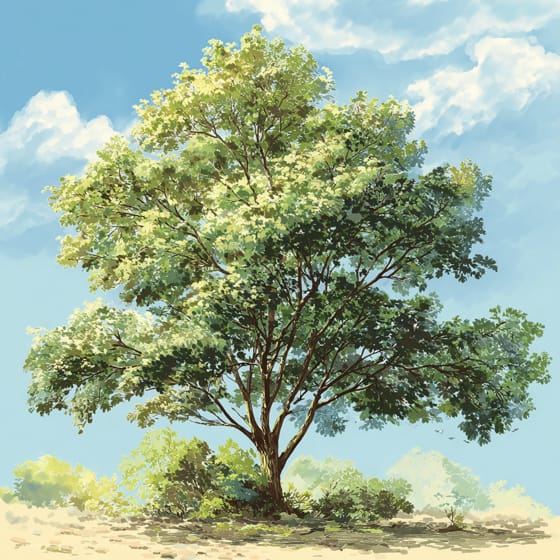
Ulmus americana
Adults and larvae eat leaves, causing damage.
Tetrastichus xanthogalerucae
Tiny wasp lays eggs inside the beetle's eggs.
Podisus maculiventris
Predatory bug preys on elm leaf beetle larvae.
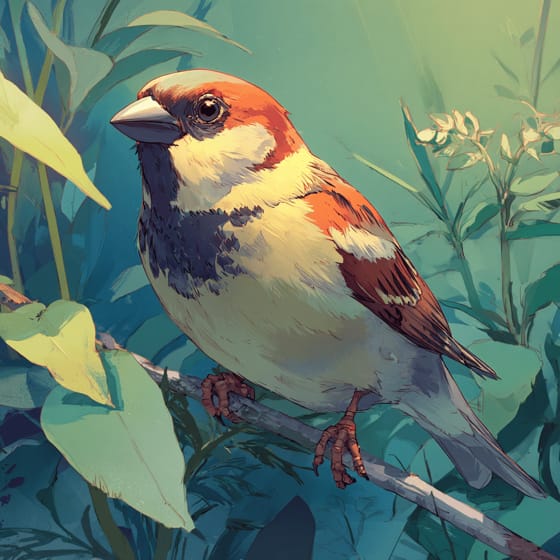
Passer domesticus
Birds will feed on the adult beetles.
Solitary animals live alone for most of their lives, only interacting with others for mating or parental care.
Colorful describes organisms or objects displaying a wide range of bright and distinct colors.
This trait characterizes organisms whose diet consists entirely or primarily of plant material.
Describes organisms that break down dead organic material, recycling nutrients back into the ecosystem.

Diurnal animals are primarily active during daylight hours, typically resting or sleeping at night.

Pertaining to species that are significantly smaller than typical or average for their kind.

This habitat trait indicates species that can coexist with humans in urban and suburban environments, utilizing man-made structures and green spaces.

Describes organisms that transfer pollen, enabling the fertilization and reproduction of plants.
No aliases listed yet.
Danger
1/5 · Very low
It's best to look at beetles from a distance and not touch them.
The easiest way to identify Elm Leaf Beetle is to use the Snappit nature identifier app.
10-14 mm
5-7 mm
21-120 days
5 km/h
Tiny leaf-eaters that munch exclusively on elm tree leaves.
Urban areas
Foraging
Zoom in to split clusters and explore where this object has been snapped.
Take the discovery with you
Snap it with Snappit to identify it, learn what makes it special, and add the discovery to your collection.








.jpg&width=800)



