.jpg&width=800)





Empis
Empis
Empis are fascinating insects known for their long legs and unique hunting skills. They often catch other insects in mid-air, making them exciting to watch in nature!
Habitat: Grasslands
The Empis is a slender fly with long legs and a distinctive, elongated proboscis. They often have dull grey, brown, or black bodies, some species exhibiting yellowish markings. Their often hairy bodies distinguish them from many other flies.
Category
InsectsRarity
Common
Danger
1/5 · Very low
Snaps
Be the first to snap!
Empis larvae live in soil and also hunt tiny creatures underground.
Some Empis males look like ghosts wrapped in silk when giving gifts!
They are known as 'dance flies' for their impressive aerial mating swarms.
They help keep annoying pests like mosquitoes from getting too numerous.
Empis males wrap prey in silk to offer females as a gift, helping them mate successfully.
Empis can hover and dart with incredible precision, allowing them to catch other insects mid-flight.
Empis has a long, pointed proboscis that helps them pierce and consume their insect prey quickly.
Empis are tiny insect hunters, using their sharp mouthparts to catch other small bugs.
Age differences: Larvae also hunt small soil-dwelling invertebrates, differing from adult aerial hunting.
Culex pipiens
Empis preys on this mosquito species.
Aphis gossypii
Empis helps control aphid populations.
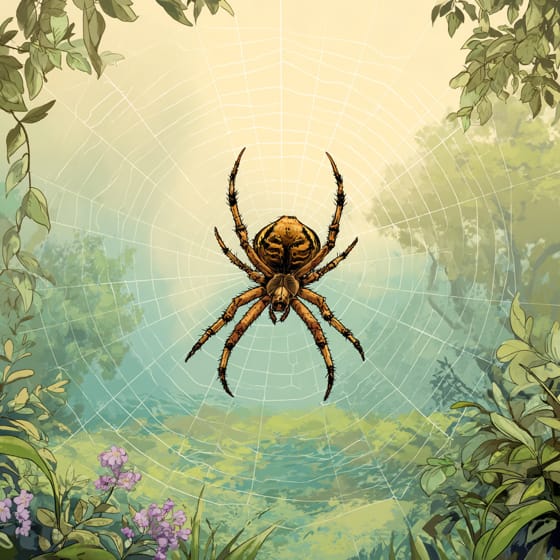
Argiope aurantia
Empis can become prey for spiders.
_Clock_-_Tennessee%2C_USA_-_May_31%2C_2014.jpg&width=800)
Taraxacum officinale
Some Empis visit flowers for nectar.
Aerial creatures spend a significant portion of their lives airborne, utilizing flight for various activities such as hunting, migration, or nesting.
Colorful describes organisms or objects displaying a wide range of bright and distinct colors.
Grassland habitats are terrestrial biomes dominated by grasses and herbaceous plants, supporting a variety of grazing animals.
This trait identifies organisms whose diet primarily consists of insects and other small invertebrates.

Diurnal animals are primarily active during daylight hours, typically resting or sleeping at night.

Describes a species whose presence and role have a disproportionately large effect on its environment.

Describes organisms that transfer pollen, enabling the fertilization and reproduction of plants.
No aliases listed yet.
Danger
1/5 · Very low
Empis are harmless and fun to observe, but it's best to watch them from a distance.
The easiest way to identify Empis is to use the Snappit nature identifier app.
5-20 mm
3-12 mm
20-60 days
10 km/h
Empis are tiny insect hunters, using their sharp mouthparts to catch other small bugs.
Grasslands
Pursuit
Zoom in to split clusters and explore where this object has been snapped.
Recent snaps will appear here as new observations are added.
Take the discovery with you
Snap it with Snappit to identify it, learn what makes it special, and add the discovery to your collection.







.jpg&width=800)


