_Clock_-_Tennessee%2C_USA_-_May_31%2C_2014.jpg&width=800)





Dandelion
Taraxacum
Dandelions are bright yellow flowers that turn into fluffy white balls of seeds. They grow in fields, lawns, and gardens, adding a splash of color to the green grass.
Habitat: Grasslands
The Dandelion has a bright yellow, round flower head atop a hollow stem. Its leaves are long, deeply toothed, and grow in a basal rosette close to the ground. After flowering, it transforms into a puffy white seed head, distinct from its initial vibrant bloom.
Category
PlantsRarity
Common
Danger
1/5 · Very low
Snaps
4
Before clocks, people used dandelion flowers to tell time, as they close their petals in the evening!
Dandelions are actually made of many tiny flowers grouped together, called florets, creating one big 'flower'!
Its milky white sap contains a type of natural rubber, which scientists are researching for new uses!
The name 'Dandelion' comes from French, meaning 'lion's tooth', describing its jagged leaves!
Dandelion can launch its seeds with tiny parachutes, letting them float far away on the wind to find new places to grow.
Dandelion has a super long taproot that helps it reach deep water sources, allowing it to survive dry weather.
Dandelion can grow back quickly even if cut or trampled, making it very persistent in lawns and fields.
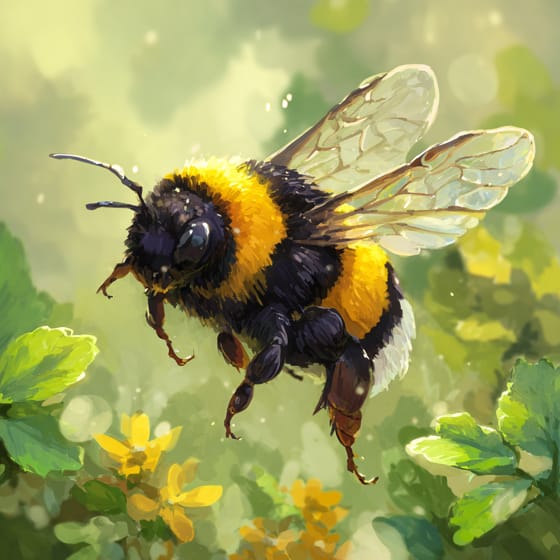
Apis mellifera
Collects nectar and pollen
Bombus terrestris
Important early season food source
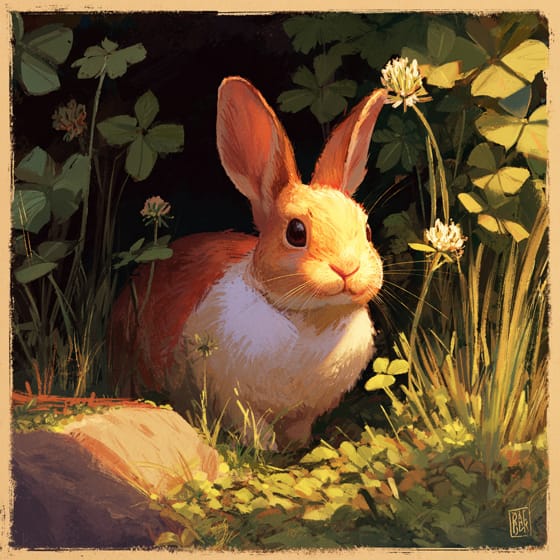
Oryctolagus cuniculus
Grazes on leaves and flowers
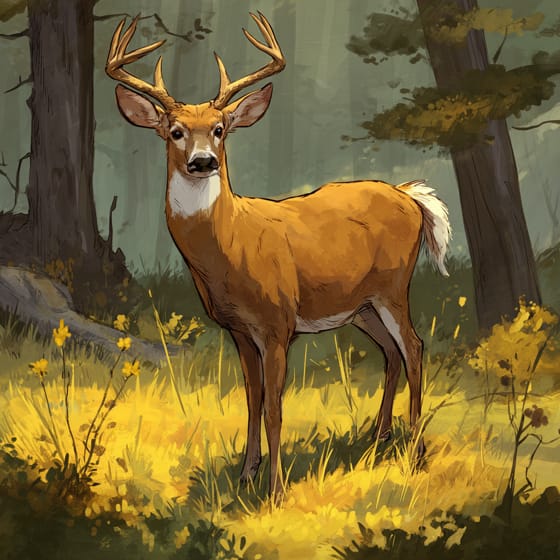
Odocoileus virginianus
Browses on plant foliage
Herbaceous plants are non-woody plants with soft stems that typically die back to the ground at the end of the growing season.
Aromatic plants produce and emit fragrant volatile organic compounds, often for defense or to attract pollinators.
Spring blooming plants produce their flowers during the spring season, often signifying the end of winter and the start of new growth.
Edible plants are those parts of a plant that are considered safe for human consumption.

Grassland habitats are terrestrial biomes dominated by grasses and herbaceous plants, supporting a variety of grazing animals.
Danger
1/5 · Very low
Enjoy dandelions in nature but avoid picking them from places where chemicals are used.
The easiest way to identify Dandelion is to use the Snappit nature identifier app.
5-30 cm
10-20 cm
2-5 cm
Early spring to late fall
Yes
None
Perennial
Zoom in to split clusters and explore where this object has been snapped.

New York, US
You might spot American Robin, Pond Slider, and Northern Cardinal.
View guide →

New York, US
You might spot Common Eastern Bumble Bee and American Robin.
View guide →

New Jersey, US
You might spot Wood Duck, American Pokeweed, and Ground-Ivy.
View guide →

Nebraska, US
You might spot Prairie Falcon, Vulture, and Canada Goose.
View guide →
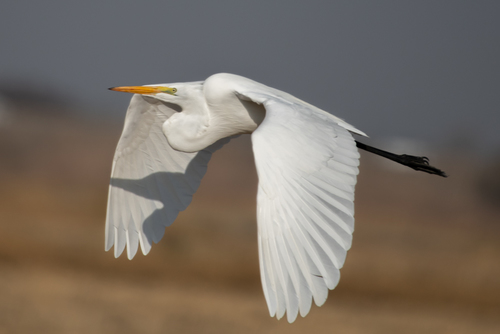
New Jersey, US
You might spot Great Egret, Eastern White Pine, and Haircap Mosses.
View guide →

Massachusetts, US
You might spot Grey Cross Spider, Common Milkweed, and Roses.
View guide →
Take the discovery with you
Snap it with Snappit to identify it, learn what makes it special, and add the discovery to your collection.









.jpg&width=800)



_001.jpg&width=800)



