





End Band Net-winged Beetle
Calopteron terminale
The End Band Net-winged Beetle is a colorful insect with delicate wings that look like lace. They are often found in gardens and forests, where they help keep nature balanced.
Habitat: Forests
The End Band Net-winged Beetle has a flattened body with bright orange or reddish-orange elytra (wing covers) tipped with a distinctive black band or spot at the rear. Its head and antennae are typically black, contrasting with a similarly colored pronotum. The elytra are noticeably ridged with a net-like pattern, making it visually distinct from smooth-shelled beetles.
Category
InsectsRarity
Common
Danger
1/5 · Very low
Snaps
8
Baby End Band Net-winged Beetles are fierce hunters of small bugs underground.
Even their blood contains bitter chemicals, making them extra unappetizing!
Their antennae can be feathery or saw-like, helping them smell and find mates!
Their bright colors are a warning sign, telling predators they taste super bad!
End Band Net-winged Beetle can produce foul-tasting chemicals because of special glands that deter hungry predators.
End Band Net-winged Beetle can swiftly fly away using its sturdy wings that helps them escape danger when threatened.
End Band Net-winged Beetle has tough, leathery elytra with a net-like pattern that helps them protect their delicate hind wings.
Adults sip sweet nectar from flowers, while their young munch on tiny invertebrates in the soil.
Age differences: Larvae are predatory, hunting small invertebrates such as springtails and other soft-bodied insects in soil and leaf litter.
Solidago canadensis
Adults feed on its nectar and help with pollination.
Rudbeckia hirta
Adult beetles visit these flowers for nectar and pollen.
Folsomia candida
Larval beetles actively prey on these small soil invertebrates.
Solitary animals live alone for most of their lives, only interacting with others for mating or parental care.
Colorful describes organisms or objects displaying a wide range of bright and distinct colors.
This trait characterizes organisms whose diet consists entirely or primarily of plant material.
Describes plants that are particularly attractive and beneficial to a wide range of pollinating organisms.

Forest habitats are terrestrial environments dominated by dense tree cover, supporting a high diversity of plant and animal life.

Diurnal animals are primarily active during daylight hours, typically resting or sleeping at night.

Describes organisms that transfer pollen, enabling the fertilization and reproduction of plants.
No aliases listed yet.
Danger
1/5 · Very low
These beetles are not dangerous, but it's best to watch them from a distance.
The easiest way to identify End Band Net-winged Beetle is to use the Snappit nature identifier app.
20-30 mm
10-15 mm
30-90 days
Adults sip sweet nectar from flowers, while their young munch on tiny invertebrates in the soil.
Forests
Foraging
6
Zoom in to split clusters and explore where this object has been snapped.

Maine, US
You might spot New England Blazing Star and Eastern Musk Turtle.
View guide →

West Virginia, US
You might spot Wide Leek, Eastern Newt, and Golden Ragwort.
View guide →

Iowa, US
You might spot Painted Turtle, Blue Phlox, and Jack-In-The-Pulpit.
View guide →
Indiana, US
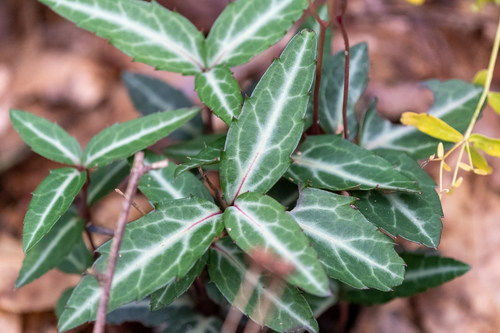
You might spot Striped Wintergreen and Pointed-Leaved Tick-Trefoil.
View guide →

Virginia, US
You might spot Northern Cricket Frog and Eastern Box Turtle.
View guide →

Connecticut, US
You might spot American Chestnut, Pink Lady's Slipper, and Buttonbush.
View guide →
Take the discovery with you
Snap it with Snappit to identify it, learn what makes it special, and add the discovery to your collection.







.jpg&width=800)


