





Chicken Of The Woods
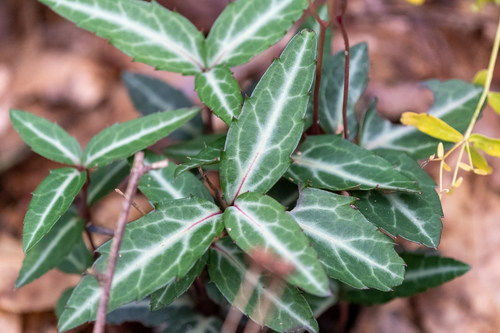
Discover Owen–Putnam State Forest, a serene wilderness offering stunning hardwood forests and diverse outdoor adventures.
Discover Owen–Putnam State Forest, a serene wilderness offering stunning hardwood forests and diverse outdoor adventures. This expansive state forest invites visitors to explore its rugged hills, tranquil ponds, and rich biodiversity, providing a perfect natural retreat in the heart of Indiana. It's a place where the beauty of nature unfolds with every season, promising a memorable experience for all who visit.
The forest boasts a variety of key features, including a dramatic 50-foot sandstone bluff that provides picturesque views and photographic opportunities. Visitors can traverse miles of trails, encountering magnificent White Oak, Northern Red Oak, and Shagbark Hickory trees, alongside mesic forests featuring American Beech, Yellow-poplar, and Sugar Maple. The diverse habitats support abundant wildlife, such as White-tailed Deer, Wild Turkey, Eastern Grey Squirrel, and various songbirds, making it an excellent spot for wildlife viewing and photography.
Whether you're seeking a challenging hike, a peaceful horseback ride, or a quiet camping experience under the stars, Owen–Putnam State Forest delivers. Its primitive campgrounds offer a rustic charm, while its extensive trail system caters to hikers, mountain bikers, and equestrians. The forest's natural beauty and tranquil atmosphere make it a truly special destination for those looking to reconnect with nature and create lasting outdoor memories. Eager to name that creature? Identify any animal you find during your visit using the Snappit app.
Owen–Putnam State Forest was established in 1948, with the majority of its landholdings acquired through the purchase of smaller, non-contiguous tracts during the 1950s and 1960s. Some areas within the forest, particularly ridge tops, were utilized as farmland until approximately 1930 before being planted with White Pine in the 1950s to combat erosion. The forest has since been actively managed for multiple uses, including timber production, wildlife conservation, and soil and water protection. This ongoing management ensures the preservation of its natural resources while providing recreational opportunities for the public.
Hiking: Explore numerous forest access trails and bridle trails.
* **Horseback Riding: ** Enjoy scenic trails like the 9.8-mile Bridle Loop, Sandstone Bluff, and Pleasant Grove. An annual horse use tag is required.
* **Mountain Biking: ** Designated sections of the Blue horse trail offer 6 miles of moderately difficult riding. An off-road cycling permit is required.
* **Camping: ** Primitive (Class C) campsites are available first-come, first-serve at Fish Creek, Horse, and Rattlesnake Campgrounds, equipped with vault toilets, picnic tables, and grills. Fish Creek Campground has potable water; water can be obtained there or at the Forest Office for other campgrounds.
* **Hunting: ** Deer, squirrel, and turkey hunting are popular during designated seasons; a valid hunting license is required.
* **Fishing: ** Cast a line in one of the forest's ponds.
* **Wildlife Viewing: ** Observe a variety of forest animals, especially during early morning hours.
During hunting season (late fall to early spring), hikers and horseback riders are advised to wear hunter orange for visibility. Rattlesnake Campground is closed to vehicles after deer firearms season until April but remains open for walk-in access.
Campgrounds are primitive with dirt roads. There is no specific information about wheelchair-accessible trails or facilities, suggesting limited accessibility for those with mobility challenges.
A prominent geological feature offering scenic views.
Best seen after significant rainfall, adding to the forest's natural beauty.
Located along the Pleasant Grove horse trail, offering a glimpse into local history.
Excellent spots for fishing and observing aquatic life.
Each card links to a full Explore page with photos, traits, and fun facts.
Start with the big picture, then zoom in to explore individual wildlife observations around this place.
Always wear hunter orange or other bright clothing if you are hiking or riding during hunting season (late fall to early spring).
Bring plenty of water and snacks, especially when embarking on longer hikes or if staying at campgrounds without potable water access.
Arrive early, particularly during peak seasons, to secure a first-come, first-serve campsite. Consider visiting on weekdays for better availability.
Be mindful of private land boundaries, as the state forest consists of scattered tracts. Marked lines on state property often have orange paint.
Visit during the early morning hours for the best opportunities to observe wildlife in their natural habitats.
If horseback riding or mountain biking, ensure you have the necessary annual horse use tag or off-road cycling permit.
Aug 25, 2025
Photo attribution
no rights reserved
License: CC0 1.0 ↗
Image may be shown cropped inside the card frame.
Aug 25, 2025
Photo attribution
no rights reserved
License: CC0 1.0 ↗
Image may be shown cropped inside the card frame.
Aug 25, 2025
Photo attribution
no rights reserved
License: CC0 1.0 ↗
Image may be shown cropped inside the card frame.
Aug 25, 2025
Photo attribution
no rights reserved
License: CC0 1.0 ↗
Image may be shown cropped inside the card frame.
May 28, 2026

Maryland, US
You might spot White-Tailed Deer and Eastern Gray Squirrel.
View guide →
.jpg)
District of Columbia, US
You might spot Eastern Gray Squirrel, Duck, and House Sparrow.
View guide →

Illinois, US
You might spot American Robin, Canada Goose, and House Sparrow.
View guide →

Virginia, US
You might spot Spotted Lanternfly and Northern Cardinal.
View guide →
Take the discovery with you
Identify the wildlife you spot, learn as you go, and keep a collection of the adventure.









.jpg&width=800)
