




Erythrischius
erythrischius
The Erythrischius, a striking member of the true bug order Hemiptera and family Lygaeidae, is often recognized for its vibrant coloration and association with milkweed plants. This fascinating insect plays a role in the intricate ecosystems where its host plants thrive. While its common name "Erythrischius" might not be widely known, its taxonomic relatives, the milkweed bugs, are familiar sights in meadows and fields across various regions. These resilient insects have evolved unique adaptations, including the ability to sequester toxins from their food source, making them unpalatable to many predators. They are a prime example of aposematism in the insect world, using their bright patterns as a warning signal.
Habitat: Found in open, sunny areas such as meadows, fields, roadsides, and disturbed grounds where its host plant, milkweed, grows abundantly.
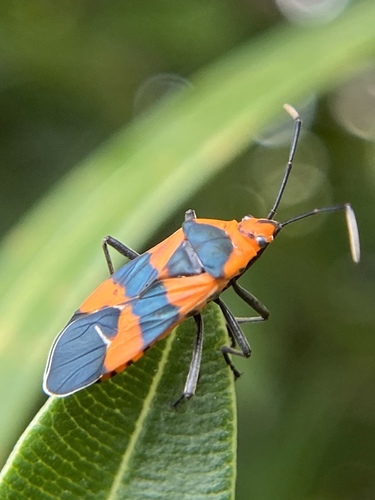
Erythrischius displays a vivid pattern of orange and black, which serves as a clear warning to potential predators. Its body is somewhat elongated and moderately flattened, typically ranging from 1 to 2 centimeters in length. When at rest, the wings often form a distinctive X-shape across its back. The antennae are relatively long and segmented, usually black, and its legs are also black, contrasting with the orange segments of its body. The head is small, bearing prominent compound eyes.
Category
InsectsRarity
Common
Danger
1/5 · Very low
Snaps
Be the first to snap!
Erythrischius nymphs look like smaller, wingless versions of the adults and undergo incomplete metamorphosis, molting several times before reaching maturity.
The toxins they sequester from milkweed are cardiac glycosides, the same compounds that make milkweed dangerous to many vertebrates.
Their vibrant warning colors are a classic example of aposematism, effectively communicating their toxicity to potential predators.
They can often be found in large groups, especially on milkweed seed pods, where they feed and mate.
Erythrischius exhibits bright orange and black patterns. This conspicuous coloration serves as a warning signal to predators, indicating its toxicity or unpalatability.
This insect can feed on toxic milkweed plants and sequester cardiac glycosides in its body without harm. These toxins make the bug unpalatable or even poisonous to many potential predators.
When threatened, Erythrischius can emit foul-smelling defensive compounds. This chemical deterrent further discourages predators from attempting to consume it.
Erythrischius is a specialist herbivore, primarily feeding on various parts of milkweed plants. It uses its piercing-sucking mouthparts to extract sap and nutrients, with a particular preference for milkweed seeds.
Age differences: Nymphs have similar feeding habits to adults, primarily consuming milkweed sap and developing seeds.

Asclepias syriaca
Erythrischius primarily feeds on and lays its eggs on this plant.
Turdus migratorius
Despite its toxicity, some generalist predators may occasionally consume Erythrischius.
Family Tachinidae
Certain species of these flies lay their eggs on or near the Erythrischius, with larvae developing inside the host.

Danaus plexippus
Both species rely on milkweed plants for food and reproduction, leading to potential competition for resources.
Furry describes animals possessing a dense covering of soft hair or fur.
Social animals live in organized groups, cooperating for survival benefits such as foraging, defense, and raising offspring.
This trait identifies organisms whose diet includes both plant and animal matter.
Forest habitats are terrestrial environments dominated by dense tree cover, supporting a high diversity of plant and animal life.
Nocturnal animals are primarily active during the nighttime hours, typically resting or sleeping during the day.
Collections for this object will appear here as more themes are added.
Danger
1/5 · Very low
No special safety notes yet.
Look for six legs, antennae, three body sections and the shape of the wings. Beetles have hardened front wings; flies have just one working pair. Tiny insects may need a close view before their group is clear. Insect Identifier: upload a photo and compare the visible details.
1-2 cm
2-4 cm
0.0001-0.0005 kg
0-1 years
Erythrischius is a specialist herbivore, primarily feeding on various parts of milkweed plants. It uses its piercing-sucking mouthparts to extract sap and nutrients, with a particular preference for milkweed seeds.
Found in open, sunny areas such as meadows, fields, roadsides, and disturbed grounds where its host plant, milkweed, grows abundantly.
Foraging
Zoom in to split clusters and explore where this object has been snapped.
Recent snaps will appear here as new observations are added.
Take the discovery with you
Snap it with Snappit to identify it, learn what makes it special, and add the discovery to your collection.