





Eurasian Oystercatcher
Haematopus ostralegus
The Eurasian Oystercatcher is a striking black and white bird with a long orange beak. They love to live near the coast where they can find tasty shellfish to eat.
Habitat: Coastal areas
The Eurasian Oystercatcher has striking black and white plumage, often with a white belly and black back. Its most distinctive features are its long, bright orange-red bill, pink legs, and a vivid red eye. This stocky shorebird stands out easily.
Category
BirdsRarity
Common
Danger
1/5 · Very low
Snaps
Be the first to snap!
During winter, thousands of these birds gather in massive flocks on coastal mudflats.
Some Oystercatchers are homebodies, staying in the same coastal spot their whole lives!
They can live a surprisingly long time, some wild birds reaching over 30 years!
Young Oystercatchers need over a year to master the tricky skill of opening shellfish!
Eurasian Oystercatcher can use its strong, chisel-shaped bill to pry open or hammer shellfish for food.
Eurasian Oystercatcher has excellent eyesight that helps them spot hidden worms or shellfish in the sand.
Eurasian Oystercatcher can make piercing, whistling calls that help them warn others or claim their territory.
They feast on tasty mussels, cockles, and worms dug from the sand along the shore.
Age differences: Juveniles must learn specific techniques for opening shellfish, which takes practice and time.
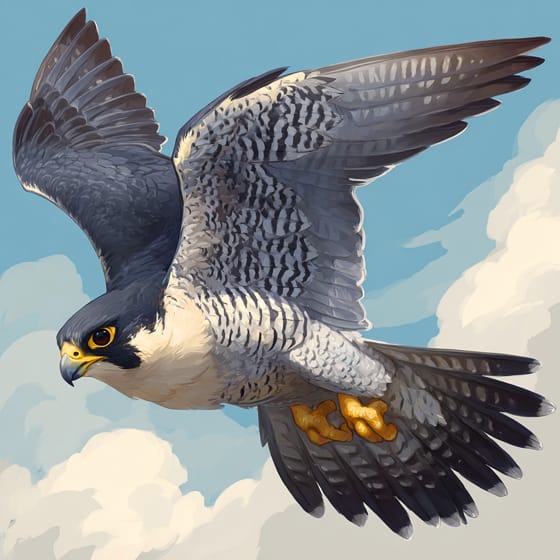
Falco peregrinus
Hunts adults and juveniles.

Larus marinus
Preys on eggs and chicks.
Mytilus edulis
Pries open shells for food.
Arenicola marina
Probes sand to find these worms.
Feathered describes animals, primarily birds, possessing a covering of feathers.
Social animals live in organized groups, cooperating for survival benefits such as foraging, defense, and raising offspring.
This trait describes organisms that manipulate external objects to achieve a specific goal.
Coastal habitats are dynamic environments located along the interface between land and sea, influenced by tides, waves, and saltwater.

This trait identifies organisms whose diet consists entirely or primarily of animal tissue.

Diurnal animals are primarily active during daylight hours, typically resting or sleeping at night.

This trait identifies organisms that exhibit exceptional swiftness in movement for hunting, escape, or travel.
No aliases listed yet.
Danger
1/5 · Very low
If you see a bird's nest, be careful not to disturb it. Always watch birds from a distance.
The easiest way to identify Eurasian Oystercatcher is to use the Snappit nature identifier app.
40-45 cm
76-86 cm
0.42-0.82 kg
10-30 years
65 km/h
They feast on tasty mussels, cockles, and worms dug from the sand along the shore.
Coastal areas
Zoom in to split clusters and explore where this object has been snapped.
Recent snaps will appear here as new observations are added.
Take the discovery with you
Snap it with Snappit to identify it, learn what makes it special, and add the discovery to your collection.




.jpg&width=800)








