%2C_Playa_de_Boulders%2C_Simon%27s_Town%2C_Sud%C3%A1frica%2C_2018-07-23%2C_DD_11.jpg&width=800)





African Penguin
Spheniscus demersus
The African Penguin is a small, charming bird that waddles on land and swims in the ocean. They have black and white feathers that help them stay safe in the water.
Habitat: Coastal areas
The African Penguin is a medium-sized bird with a distinct black band across its white chest and a black back. It has unique pink patches above its eyes that help keep it cool, and a pointed beak.
Category
BirdsRarity
Common
Danger
1/5 · Very low
Snaps
Be the first to snap!
African Penguins can hold their breath for up to 2.5 minutes while diving for food!
Every African Penguin has a unique pattern of spots on its chest, like a human fingerprint!
Their waterproof feathers help them stay warm and dry in the chilly ocean water!
They build nests in burrows, sometimes using their own droppings to strengthen the walls!
African Penguin can dart through the ocean at speed to catch fish because of its streamlined body and powerful flippers.
African Penguin has special glands above its eyes that help it drink saltwater by filtering out the salt.
African Penguin has pink patches above its eyes that help cool its blood when it gets too hot.
These marine birds primarily eat small fish and squid, which they expertly catch while swimming underwater.
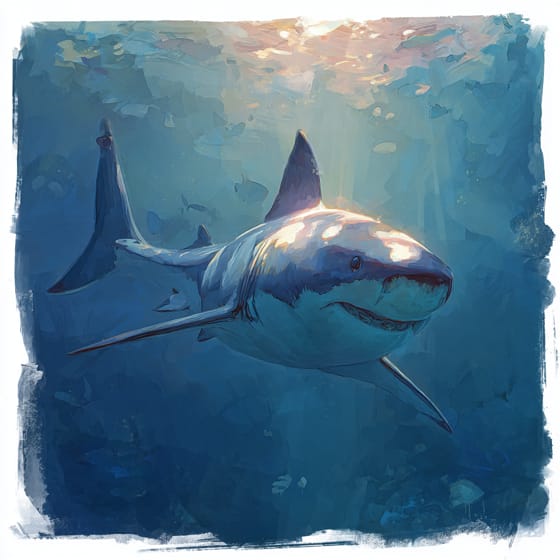
Carcharodon carcharias
Adult penguins are hunted by large sharks.
Arctocephalus pusillus
Seals prey on penguins in coastal waters.
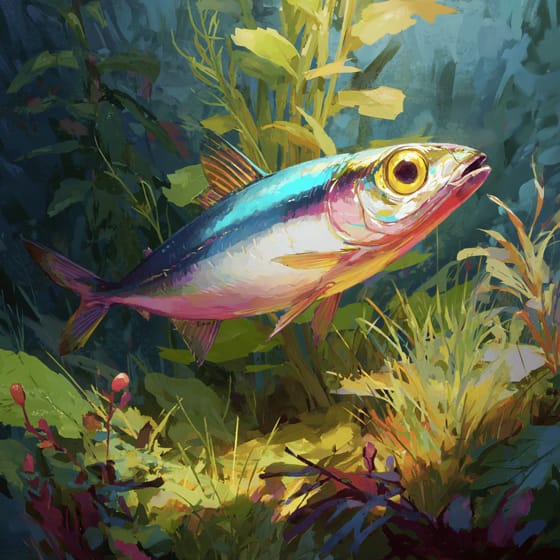
Sardinops sagax
A primary food source for adult penguins.
Larus dominicanus
Gulls often steal eggs and chicks from nests.
Feathered describes animals, primarily birds, possessing a covering of feathers.
Characterized by having toes connected by a membrane, typically aiding in swimming.
Social animals live in organized groups, cooperating for survival benefits such as foraging, defense, and raising offspring.
Piscivorous organisms are animals that primarily subsist on a diet of fish.

Coastal habitats are dynamic environments located along the interface between land and sea, influenced by tides, waves, and saltwater.

Diurnal animals are primarily active during daylight hours, typically resting or sleeping at night.

This trait identifies organisms that exhibit exceptional swiftness in movement for hunting, escape, or travel.

Marine habitats encompass all saltwater environments of the Earth's oceans, supporting an immense diversity of aquatic life.

Endangered status indicates a species is at a very high risk of extinction in the wild in the near future.
Danger
1/5 · Very low
Always watch penguins from a distance and do not try to touch them.
The easiest way to identify African Penguin is to use the Snappit nature identifier app.
60-70 cm
30-40 cm
2.2-3.5 kg
10-15 years
20 km/h
These marine birds primarily eat small fish and squid, which they expertly catch while swimming underwater.
Coastal areas
Zoom in to split clusters and explore where this object has been snapped.
Recent snaps will appear here as new observations are added.
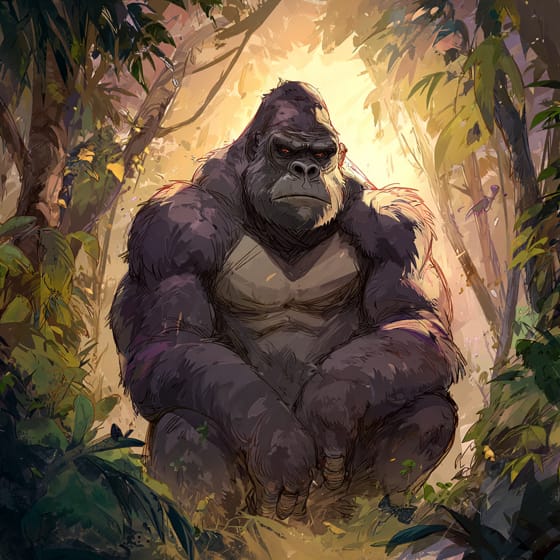
New York, US
You might spot Gorilla, Tiger, and Snow Leopard.
View guide →

Texas, US
You might spot African Elephant, Reticulated Giraffe, and African Lion.
View guide →
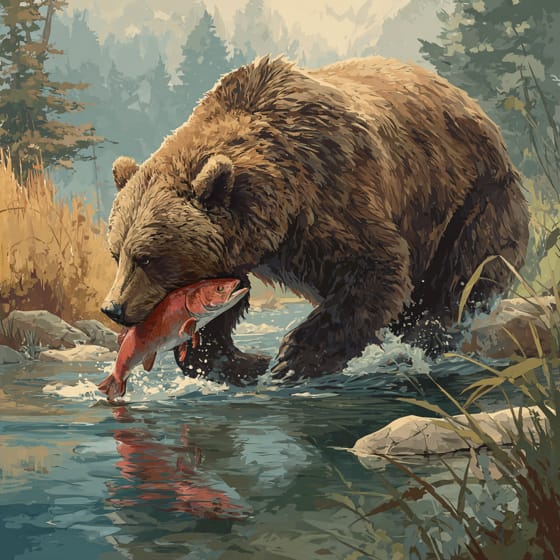
Tennessee, US
You might spot Grizzly Bear, Polar Bear, and African Elephant.
View guide →
Minnesota, US
You might spot Tiger, African Penguin, and Grizzly Bear.
View guide →
Maryland, US
You might spot African Penguin, Reticulated Giraffe, and African Elephant.
View guide →
Oklahoma, US
You might spot Tiger, Snow Leopard, and Komodo Dragon.
View guide →
Take the discovery with you
Snap it with Snappit to identify it, learn what makes it special, and add the discovery to your collection.




.jpg&width=800)









