





Eurasian Serotine
Cnephaeus serotinus
The Eurasian Serotine is a friendly bat that loves to fly around at night. It has big ears and a soft, furry body, making it a cute little creature of the night sky!
Habitat: Urban areas
The Eurasian Serotine has dark brown fur with a darker, almost black face, ears, and wings. It is larger than many other European bats, with broad, leathery wings that make it easy to identify in flight.
Category
MammalsRarity
Common
Danger
2/5 · Low
Snaps
Be the first to snap!
Serotine bats often choose attics, wall cavities, and cellars as cozy roosting spots.
Their powerful jaws allow them to crunch right through the hard shells of beetles.
They can live for almost 20 years, making them quite long-lived for a small bat!
They have a distinctive, slow-flapping flight style, like a butterfly in the night.
Eurasian Serotine can 'see' with sound using echolocation, which helps them hunt insects in complete darkness.
Eurasian Serotine has broad wings that help them fly slowly and maneuverably to catch big insects in the air.
Eurasian Serotine can hibernate for months to survive winter, which helps them conserve energy when insects are scarce.
Feasts on large flying insects like beetles and moths, catching them mid-air with agile skill.
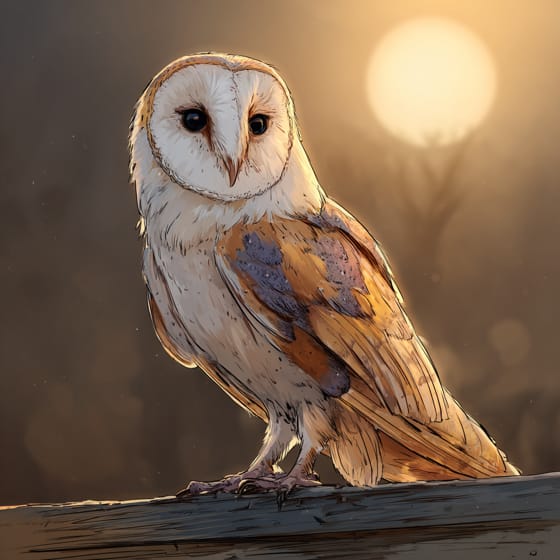
Tyto alba
Owls are common predators of bats leaving their roosts.

Strix aluco
This nocturnal bird hunts bats as they fly in the dark.

Melolontha melolontha
The Serotine bat actively pursues and eats these large beetles.

Noctua pronuba
Moths like this one are a primary food source for the bat.
Furry describes animals possessing a dense covering of soft hair or fur.
Social animals live in organized groups, cooperating for survival benefits such as foraging, defense, and raising offspring.
This trait identifies organisms whose diet primarily consists of insects and other small invertebrates.
Echolocation is a biological sonar used by animals to navigate, hunt, and communicate by emitting sound waves and interpreting the echoes.

This habitat trait indicates species that can coexist with humans in urban and suburban environments, utilizing man-made structures and green spaces.

Nocturnal animals are primarily active during the nighttime hours, typically resting or sleeping during the day.
Danger
2/5 · Low
Bats are usually friendly, but it's best to watch them from a distance and not touch them.
The easiest way to identify Eurasian Serotine is to use the Snappit nature identifier app.
6-8 cm
32-38 cm
0.015-0.035 kg
15-20 years
50 km/h
Feasts on large flying insects like beetles and moths, catching them mid-air with agile skill.
Urban areas
Zoom in to split clusters and explore where this object has been snapped.
Recent snaps will appear here as new observations are added.
Take the discovery with you
Snap it with Snappit to identify it, learn what makes it special, and add the discovery to your collection.




.jpg&width=800)



.JPG&width=800)



.jpg&width=800)
