





Common Cockchafer
Melolontha melolontha
The Common Cockchafer is a big, brown beetle that comes out in spring. They fly around and can be seen buzzing in gardens and fields, making them a fun sight for kids!
Habitat: Grasslands
The Common Cockchafer has a distinctive chunky, reddish-brown body with a shiny black head and thorax. It features fan-like antennae and a black triangular tip on its abdomen. Its hardened wing cases cover delicate flight wings, giving it a robust appearance different from many slender beetles.
Category
InsectsRarity
Common
Danger
1/5 · Very low
Snaps
Be the first to snap!
A female cockchafer can lay up to 80 eggs underground during her short adult life!
Cockchafer grubs spend up to four years hidden underground before becoming an adult.
Once, common cockchafers were collected for food or used in children's games!
They use special chemical signals, called pheromones, to find mates in the dark.
The Common Cockchafer can fly accurately at night because of its well-developed antennae that help them sense smells and navigate in the dark.
The Common Cockchafer has larvae that can live underground for years, silently eating plant roots that helps them grow big before transforming.
Adult cockchafers nibble leaves, while their grubs feast on plant roots underground.
Age differences: Larvae (grubs) eat roots of grasses and crops; adults primarily feed on tree leaves.
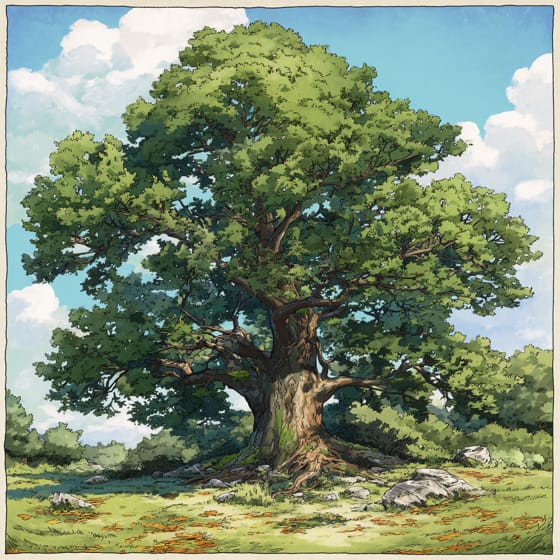
Quercus robur
Adults defoliate leaves, sometimes causing damage.
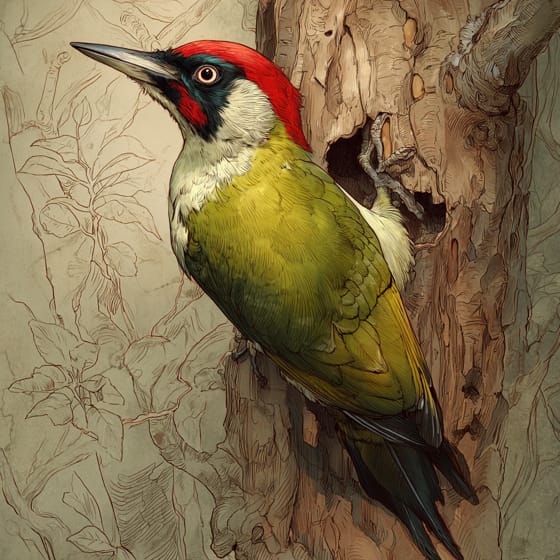
Picus viridis
Hunts cockchafer larvae (grubs) from the ground.
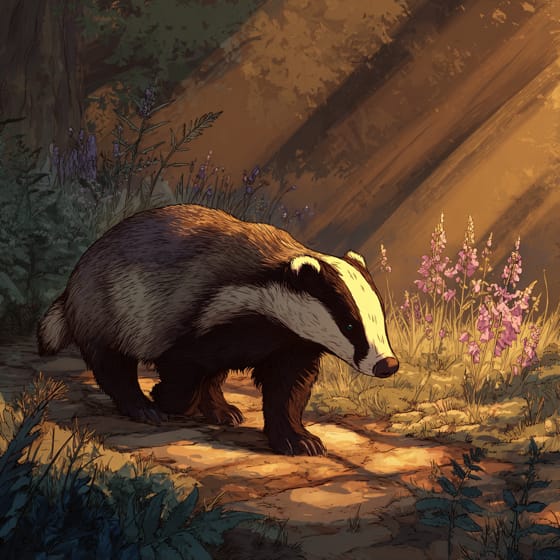
Meles meles
Digs up and eats the large, nutritious cockchafer grubs.

Solanum tuberosum
Larvae can damage the roots of potato plants.
Social animals live in organized groups, cooperating for survival benefits such as foraging, defense, and raising offspring.
Aerial creatures spend a significant portion of their lives airborne, utilizing flight for various activities such as hunting, migration, or nesting.
Grassland habitats are terrestrial biomes dominated by grasses and herbaceous plants, supporting a variety of grazing animals.
This trait characterizes organisms whose diet consists entirely or primarily of plant material.

Diurnal animals are primarily active during daylight hours, typically resting or sleeping at night.

Giant describes organisms or objects of significantly larger size than average for their species or type.

Describes organisms that transfer pollen, enabling the fertilization and reproduction of plants.
Danger
1/5 · Very low
Cockchafers are not dangerous, but it's best to watch them from a distance.
The easiest way to identify Common Cockchafer is to use the Snappit nature identifier app.
50-60 mm
25-30 mm
28-42 days
8 km/h
Adult cockchafers nibble leaves, while their grubs feast on plant roots underground.
Grasslands
Foraging
Zoom in to split clusters and explore where this object has been snapped.
Recent snaps will appear here as new observations are added.
Take the discovery with you
Snap it with Snappit to identify it, learn what makes it special, and add the discovery to your collection.






.jpg&width=800)




