





European Field Cricket
Gryllus campestris
The European Field Cricket is a small black insect known for its cheerful chirping sounds. They love to hop around in grassy areas and are often found in fields and gardens.
Habitat: Grasslands
The European Field Cricket is a robust, dark brown to black insect with a glossy body. It has short, thick antennae and a large head. Its distinctive uniform dark colouring and broad build differentiate it from other smaller, lighter crickets.
Category
InsectsRarity
Common
Danger
1/5 · Very low
Snaps
Be the first to snap!
Baby crickets are called nymphs, and they look exactly like tiny adults but without wings!
Crickets use their super long antennae to feel, taste, and smell their world!
In some cultures, people kept crickets as pets to enjoy their beautiful songs!
Wow! You can tell the temperature just by counting a cricket's chirps!
European Field Cricket males produce loud chirps by rubbing their forewings together that helps them attract mates.
European Field Cricket has strong hind legs that help it leap quickly to escape predators or move between spots.
European Field Cricket can dig burrows because of its strong front legs that provide shelter from predators and bad weather.
European Field Cricket has "ears" (tympanal organs) on its front legs that help it detect sounds and approaching threats.
These crickets are omnivores, munching on plants and small insects they find.
Turdus merula
A common songbird that preys on crickets in open fields.
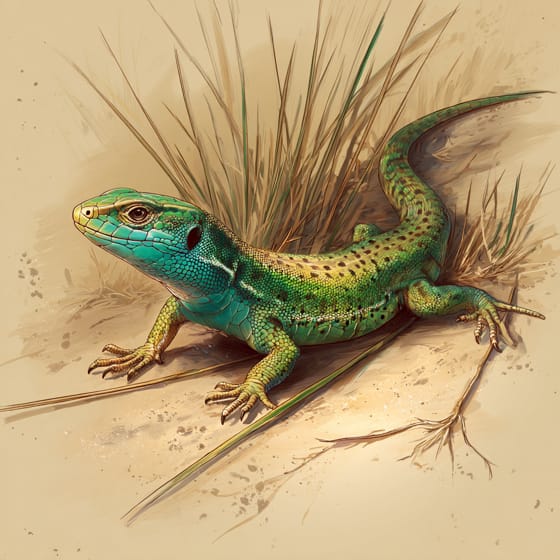
Lacerta agilis
This lizard hunts crickets basking in sunny, sandy habitats.
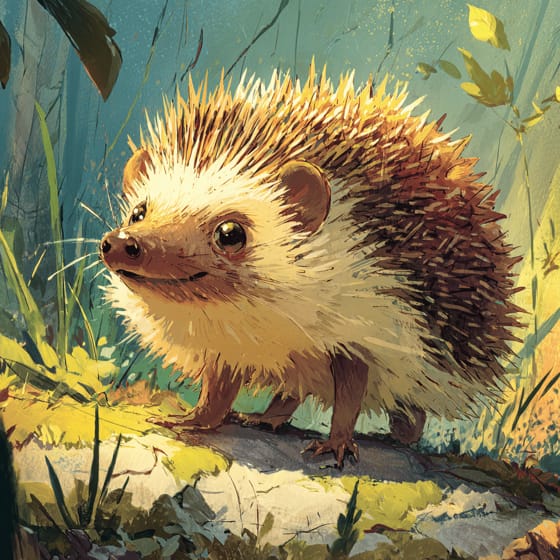
Erinaceus europaeus
A nocturnal mammal that will happily feast on crickets.
Bromus hordeaceus
A common grass species often grazed by crickets.

Trifolium repens
A widespread plant that provides food for crickets.
Social animals live in organized groups, cooperating for survival benefits such as foraging, defense, and raising offspring.
Singing animals produce complex vocalizations, often for purposes of attracting mates, defending territory, or communicating within their species.
Grassland habitats are terrestrial biomes dominated by grasses and herbaceous plants, supporting a variety of grazing animals.
This trait characterizes organisms whose diet consists entirely or primarily of plant material.

Diurnal animals are primarily active during daylight hours, typically resting or sleeping at night.

Pertaining to species that are significantly smaller than typical or average for their kind.

This trait identifies organisms that exhibit exceptional swiftness in movement for hunting, escape, or travel.
No aliases listed yet.
Danger
1/5 · Very low
Crickets are harmless and fun to watch, but don't try to catch them as they can jump away quickly!
The easiest way to identify European Field Cricket is to use the Snappit nature identifier app.
19-26 mm
60-90 days
These crickets are omnivores, munching on plants and small insects they find.
Grasslands
Foraging
6
Zoom in to split clusters and explore where this object has been snapped.
Recent snaps will appear here as new observations are added.
Take the discovery with you
Snap it with Snappit to identify it, learn what makes it special, and add the discovery to your collection.






.jpg&width=800)




