





Woodland Skipper
Ochlodes sylvanoides
The Woodland Skipper is a small, brown butterfly that flutters around in sunny spots. They love to sip nectar from flowers and are often seen in gardens and meadows.
Habitat: Forests
The Woodland Skipper has an orange-brown body and forewings, often with darker brown veins and margins. Its hindwings are usually a duller, more uniform brown. Males feature a distinct dark, diagonal scent patch (stigma) on their forewings, helping distinguish them from similar species.
Category
InsectsRarity
Common
Danger
1/5 · Very low
Snaps
3
Caterpillars munch on various grasses, but adult skippers only drink flower nectar.
Skippers have thick bodies and hooked antennae, often leading people to mistake them for moths!
Their name "skipper" perfectly describes their rapid, skipping flight pattern!
Unlike butterflies, skippers often hold their forewings at a different angle than hindwings.
Woodland Skipper can dart swiftly and erratically because of its powerful wing muscles that help them escape predators.
Woodland Skipper has a long, coiled proboscis that helps them sip sweet nectar deep from flowers, like a tiny straw.
Its caterpillar can roll a leaf and secure it with silk, creating a camouflaged shelter to hide from hungry birds.
Adults sip nectar, caterpillars munch grass.
Age differences: Caterpillars eat grass leaves, but adults feed exclusively on flower nectar.
Solidago canadensis
Drinks nectar and helps spread pollen.
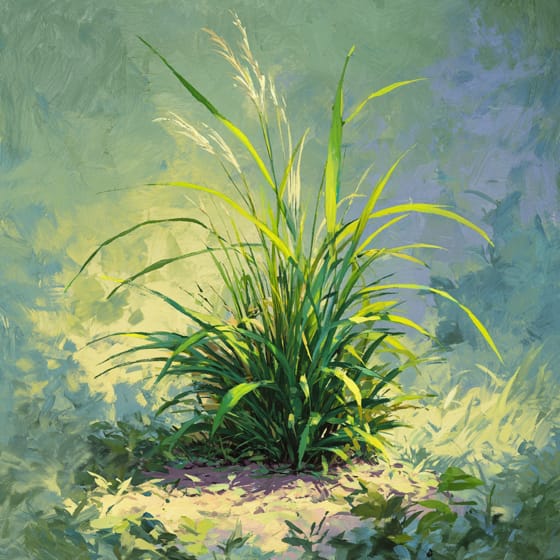
Poa pratensis
Caterpillars feed on its leaves.

Sayornis saya
A swift bird that preys on adult skippers.
Misumena vatia
Hides in flowers to ambush feeding skippers.
Camouflaged describes organisms that possess coloring or patterns that allow them to blend into their environment.
This trait characterizes organisms whose diet consists entirely or primarily of plant material.
Describes plants that are particularly attractive and beneficial to a wide range of pollinating organisms.
Forest habitats are terrestrial environments dominated by dense tree cover, supporting a high diversity of plant and animal life.

Diurnal animals are primarily active during daylight hours, typically resting or sleeping at night.

This trait identifies organisms that exhibit exceptional swiftness in movement for hunting, escape, or travel.

Describes organisms that transfer pollen, enabling the fertilization and reproduction of plants.
No aliases listed yet.
Danger
1/5 · Very low
It's best to watch butterflies from a distance so you don't scare them away.
The easiest way to identify Woodland Skipper is to use the Snappit nature identifier app.
25-38 mm
15-20 mm
10-20 days
18 km/h
Adults sip nectar, caterpillars munch grass.
Forests
Foraging
Zoom in to split clusters and explore where this object has been snapped.
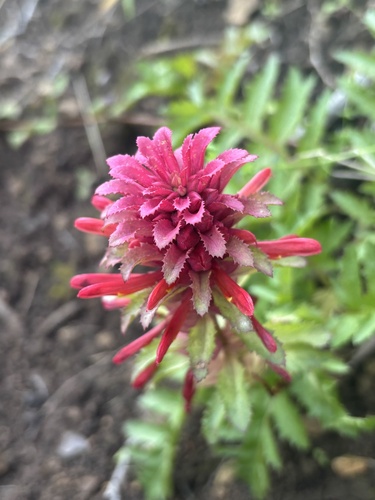
California, US
You might spot Warrior's Plume, Western Leatherwood, and White Globe Lily.
View guide →

California, US
You might spot Pipevine Swallowtail and Western Fence Lizard.
View guide →

Oregon, US
You might spot Rough-Skinned Newt and Isabella Tiger Moth.
View guide →
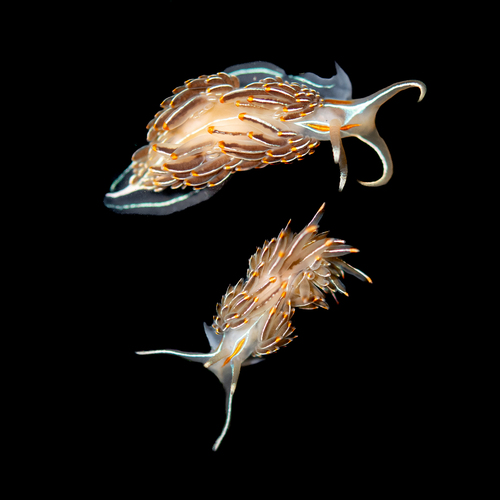
Washington, US
You might spot Horned Nudibranch and Madrone Skin Miner.
View guide →

British Columbia, CA
You might spot Green Comma, Mourning Cloak, and Hoary Comma.
View guide →

New Mexico, US
You might spot Rocky Mountain Beardtongue and Balkan Toadflax.
View guide →
Take the discovery with you
Snap it with Snappit to identify it, learn what makes it special, and add the discovery to your collection.







.jpg&width=800)



