.jpg&width=800)





European Wood Mouse
Apodemus sylvaticus
The European Wood Mouse is a small, cute creature with big ears and a long tail. They love to explore forests and fields, and they are very good at hiding from predators!
Habitat: Forests
The European Wood Mouse has soft, yellowish-brown fur on its back and sides, which sharply contrasts with a white or greyish-white belly. It also has noticeably large ears and prominent black eyes, along with a long, slender tail, often as long as its body and head combined.
Category
MammalsRarity
Common
Danger
1/5 · Very low
Snaps
Be the first to snap!
Its long tail, almost as long as its body, helps it balance perfectly when climbing trees.
They accidentally plant new trees by burying seeds and sometimes forgetting where they hid them!
This tiny mouse can jump over 80 cm, that's nearly 10 times its own body length!
Wood mice build cozy underground homes with separate rooms for food storage and sleeping!
European Wood Mouse can break off its tail if caught by a predator, helping them escape to safety from danger.
European Wood Mouse can store food like seeds and nuts in its burrows, helping it survive cold, lean winters.
European Wood Mouse can jump surprisingly high and far, allowing it to quickly flee or navigate tricky terrain.
An omnivore, munching on seeds, nuts, berries, fungi, and insects depending on the season!

Strix aluco
A common nocturnal predator.
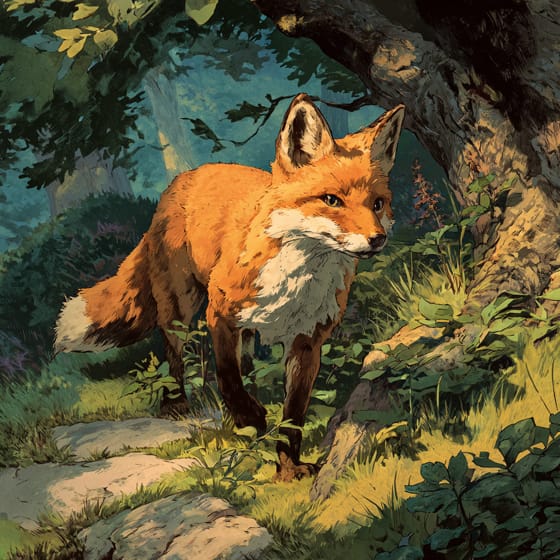
Vulpes vulpes
Preys on wood mice in forests and fields.
Mustela nivalis
Small predator, can pursue mice into burrows.
Quercus robur
Relies heavily on its nutritious acorns for food.

Corylus avellana
Consumes its nuts, a vital food source.
Furry describes animals possessing a dense covering of soft hair or fur.
Solitary animals live alone for most of their lives, only interacting with others for mating or parental care.
This trait identifies organisms whose diet includes both plant and animal matter.
Burrowing animals dig tunnels and chambers in the ground, using these subterranean structures for shelter, hunting, or breeding.

Forest habitats are terrestrial environments dominated by dense tree cover, supporting a high diversity of plant and animal life.

This trait identifies organisms that exhibit exceptional swiftness in movement for hunting, escape, or travel.

Nocturnal animals are primarily active during the nighttime hours, typically resting or sleeping during the day.
Danger
1/5 · Very low
If you see a mouse, it's best to watch it from a distance and not try to touch it.
The easiest way to identify European Wood Mouse is to use the Snappit nature identifier app.
8-11 cm
0.015-0.035 kg
1-3 years
15 km/h
An omnivore, munching on seeds, nuts, berries, fungi, and insects depending on the season!
Forests
Foraging
Zoom in to split clusters and explore where this object has been snapped.
Recent snaps will appear here as new observations are added.
Take the discovery with you
Snap it with Snappit to identify it, learn what makes it special, and add the discovery to your collection.




.jpg&width=800)


.JPG&width=800)


.jpg&width=800)
