_(46501840942).jpg&width=800)





Blue Duiker
philantomba monticola
The Blue Duiker is a small and adorable antelope that loves to hide in the forest. With its big eyes and cute ears, it is always on the lookout for food and friends!
Habitat: They live in dense tropical forests in Africa.
The Blue Duiker is one of the smallest antelopes, featuring a beautiful blue-grey coat that darkens towards its back. It has a white belly and very short, sharp horns on both males and females. Its compact body and short legs are perfectly adapted for moving through dense undergrowth.
Category
MammalsRarity
Common
Danger
1/5 · Very low
Snaps
Be the first to snap!
"Duiker" means "diver" in Afrikaans because they plunge into bushes when scared!
Blue Duiker babies are born so tiny, they could fit into an adult's hand!
Despite being herbivores, they sometimes eat insects to get extra protein!
These miniature antelopes can make loud, dog-like barks to warn others of danger.
Blue Duiker has a unique blue-grey coat that helps them disappear like a shadow in the dim light of dense forest undergrowth.
Blue Duiker can quickly 'dive' headfirst into thick bushes to escape predators, using their small, compact body for agility.
Blue Duiker can use scent glands below their eyes to mark territories and communicate with other duikers in the dense forest.
Blue Duikers are tiny forest browsers, munching on fallen fruits, leaves, and even insects!
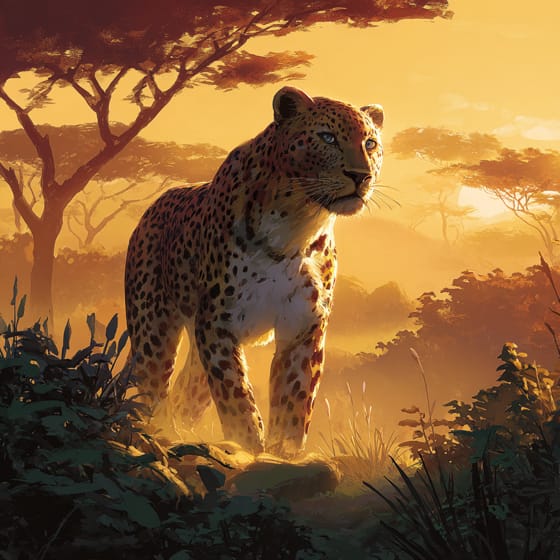
Panthera pardus
A primary predator that hunts duikers in their forest habitat.
Python sebae
A large snake that ambushes duikers as prey.
%2C_at_Ndumo_Nature_Reserve%2C_KwaZulu-Natal%2C_South_Africa_(28947411865).jpg&width=800)
Stephanoaetus coronatus
A powerful raptor that preys on young duikers from above.
Ficus sur
Feasts on ripe, fallen fruits from these fig trees.
Furry describes animals possessing a dense covering of soft hair or fur.
Solitary animals live alone for most of their lives, only interacting with others for mating or parental care.
This trait characterizes organisms whose diet consists entirely or primarily of plant material.
Forest habitats are terrestrial environments dominated by dense tree cover, supporting a high diversity of plant and animal life.

Diurnal animals are primarily active during daylight hours, typically resting or sleeping at night.
Danger
1/5 · Very low
No special safety notes yet.
The easiest way to identify Blue Duiker is to use the Snappit nature identifier app.
45-60 cm
3.5-5 kg
7-10 years
40 km/h
Blue Duikers are tiny forest browsers, munching on fallen fruits, leaves, and even insects!
They live in dense tropical forests in Africa.
Foraging
Zoom in to split clusters and explore where this object has been snapped.
Recent snaps will appear here as new observations are added.
Take the discovery with you
Snap it with Snappit to identify it, learn what makes it special, and add the discovery to your collection.




.jpg&width=800)

.JPG&width=800)


.jpg&width=800)
