





Feathered Thorn
Colotois pennaria
The Feathered Thorn is a special caterpillar that looks like a little green feather! It has soft, fuzzy hairs that help it blend in with leaves and stay safe from birds.
Habitat: Forests
The Feathered Thorn is a medium-sized moth with jagged-edged wings, typically pale yellow-ochre to brownish-orange. Its most distinctive features are the heavily 'feathered' antennae, especially on the male, and two small dark spots on each forewing.
Category
InsectsRarity
Common
Danger
2/5 · Low
Snaps
Be the first to snap!
Feathered Thorn caterpillars can be bright green or brown to match their plant foods!
Its caterpillars are so good at camouflaging, they look just like twigs!
The male moth's huge feathery antennae help him detect female moths from far off.
This moth is one of the few that flies mainly in autumn, even when it's chilly.
Feathered Thorn can detect mates from far away because of its large, feathery antennae that are super-sensitive to scents.
Feathered Thorn has jagged-edged wings that help them perfectly blend in with autumn leaves, making them hard to spot.
Feathered Thorn can fly and find food in the dark because of its special eyes that collect lots of dim light.
Caterpillars munch on tree leaves; adult moths mostly sip nectar for energy.
Age differences: Caterpillars are leaf-eating herbivores, while adult moths primarily feed on flower nectar.
Quercus robur
Caterpillars feed on the leaves of this common oak tree.
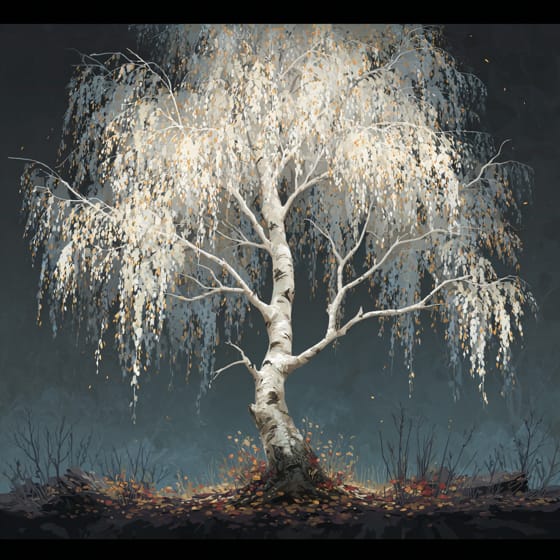
Betula pendula
Larvae also consume the foliage of birch trees.
%2C_Parc_de_Woluw%C3%A9%2C_Brussels_(13042792905).jpg&width=800)
Parus major
Its caterpillars and adult moths are eaten by various bird species.
Pipistrellus pipistrellus
Adult moths flying at night are prey for insectivorous bats.
Hedera helix
Adult moths visit late-blooming ivy flowers to drink nectar.
Furry describes animals possessing a dense covering of soft hair or fur.
Solitary animals live alone for most of their lives, only interacting with others for mating or parental care.
Camouflaged describes organisms that possess coloring or patterns that allow them to blend into their environment.
This trait characterizes organisms whose diet consists entirely or primarily of plant material.

Forest habitats are terrestrial environments dominated by dense tree cover, supporting a high diversity of plant and animal life.

Diurnal animals are primarily active during daylight hours, typically resting or sleeping at night.

Describes organisms that transfer pollen, enabling the fertilization and reproduction of plants.
No aliases listed yet.
Danger
2/5 · Low
Don't touch caterpillars unless you know they are safe; some can be prickly or have hairs that irritate skin.
The easiest way to identify Feathered Thorn is to use the Snappit nature identifier app.
40-55 mm
20-25 mm
14-28 days
Caterpillars munch on tree leaves; adult moths mostly sip nectar for energy.
Forests
Foraging
6
Zoom in to split clusters and explore where this object has been snapped.
Recent snaps will appear here as new observations are added.
Take the discovery with you
Snap it with Snappit to identify it, learn what makes it special, and add the discovery to your collection.






.jpg&width=800)



