





fetterbush
Eubotrys racemosus
Fetterbush is a lovely shrub that grows in wet areas. It has beautiful white flowers that bloom in spring, making it a favorite for butterflies and bees!
Habitat: Wetlands
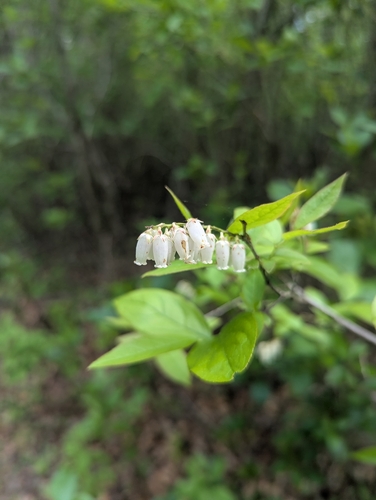
The fetterbush is a medium-sized, upright to arching shrub. It has glossy, leathery green leaves that often turn vibrant bronze or reddish hues in autumn. Its delicate, white, bell-shaped flowers hang gracefully in long, drooping clusters, resembling lily-of-the-valley.
Category
PlantsRarity
Common
Danger
1/5 · Very low
Snaps
3
Fetterbush's sweet nectar can turn into "mad honey" if bees collect it!
It's related to blueberries, but don't eat fetterbush berries – they're toxic!
Its leaves contain a special poison, making it a forbidden snack for most animals!
Its tough, tangled branches are said to "fetter" or trap things, hence its name!
Fetterbush produces powerful grayanotoxins that make its leaves and nectar dangerous, cleverly defending itself from most hungry animals.
Its lovely bell-shaped flowers hang upside down in long clusters, which helps shield their delicate pollen from heavy rain.
Apis mellifera
gathers nectar to make honey

Bombus impatiens
visits flowers for pollen and nectar
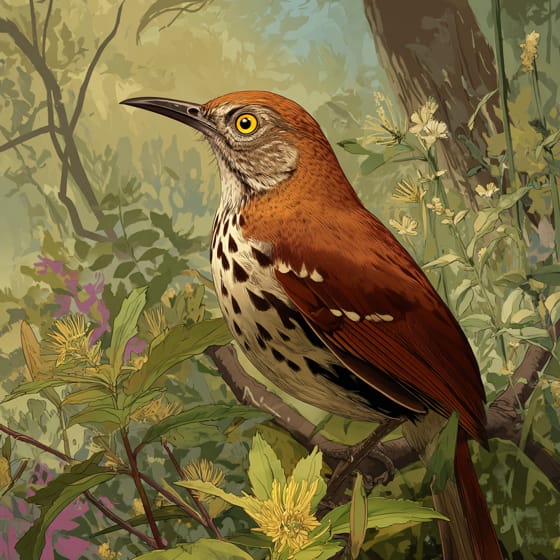
Toxostoma rufum
hides in its dense branches
Aromatic plants produce and emit fragrant volatile organic compounds, often for defense or to attract pollinators.
Deciduous plants periodically shed all their leaves, typically during autumn or dry seasons.
Flowering plants are any plants that produce flowers as part of their reproductive cycle.
A shrub is a woody plant smaller than a tree, typically with multiple stems branching from or near the ground.

Spring blooming plants produce their flowers during the spring season, often signifying the end of winter and the start of new growth.

Evergreen plants retain their foliage throughout the year, never shedding all their leaves at once.

Fragrant flowers emit a pleasant aroma, often to attract pollinators or for defense.

Describes plants that are particularly attractive and beneficial to a wide range of pollinating organisms.

This habitat trait identifies species found in wetlands, which are areas of land saturated with water, either permanently or seasonally, including marshes, swamps, and bogs.
No aliases listed yet.
Danger
1/5 · Very low
Always stay on paths when exploring nature and don't touch plants without asking an adult.
The easiest way to identify fetterbush is to use the Snappit nature identifier app.
90-180 cm
90-150 cm
0.5-1 cm
Late Spring - Early Summer
No
High
Perennial
Zoom in to split clusters and explore where this object has been snapped.
May 28, 2026
Connetquot River State Park PreservePhoto attribution
no rights reserved
License: CC0 1.0 ↗
Image may be shown cropped inside the card frame.

New York, US
You might spot Coral, Sea Lion, and African Penguin.
View guide →
New York, US
You might spot Sand Tiger Shark, African Penguin, and Sea Lion.
View guide →

Massachusetts, US
You might spot Eastern Gray Squirrel and American Robin.
View guide →

New York, US
You might spot Black Huckleberry, Eastern Skunk Cabbage, and Osprey.
View guide →

Massachusetts, US
You might spot Eastern Gray Squirrel and Eastern Cottontail.
View guide →
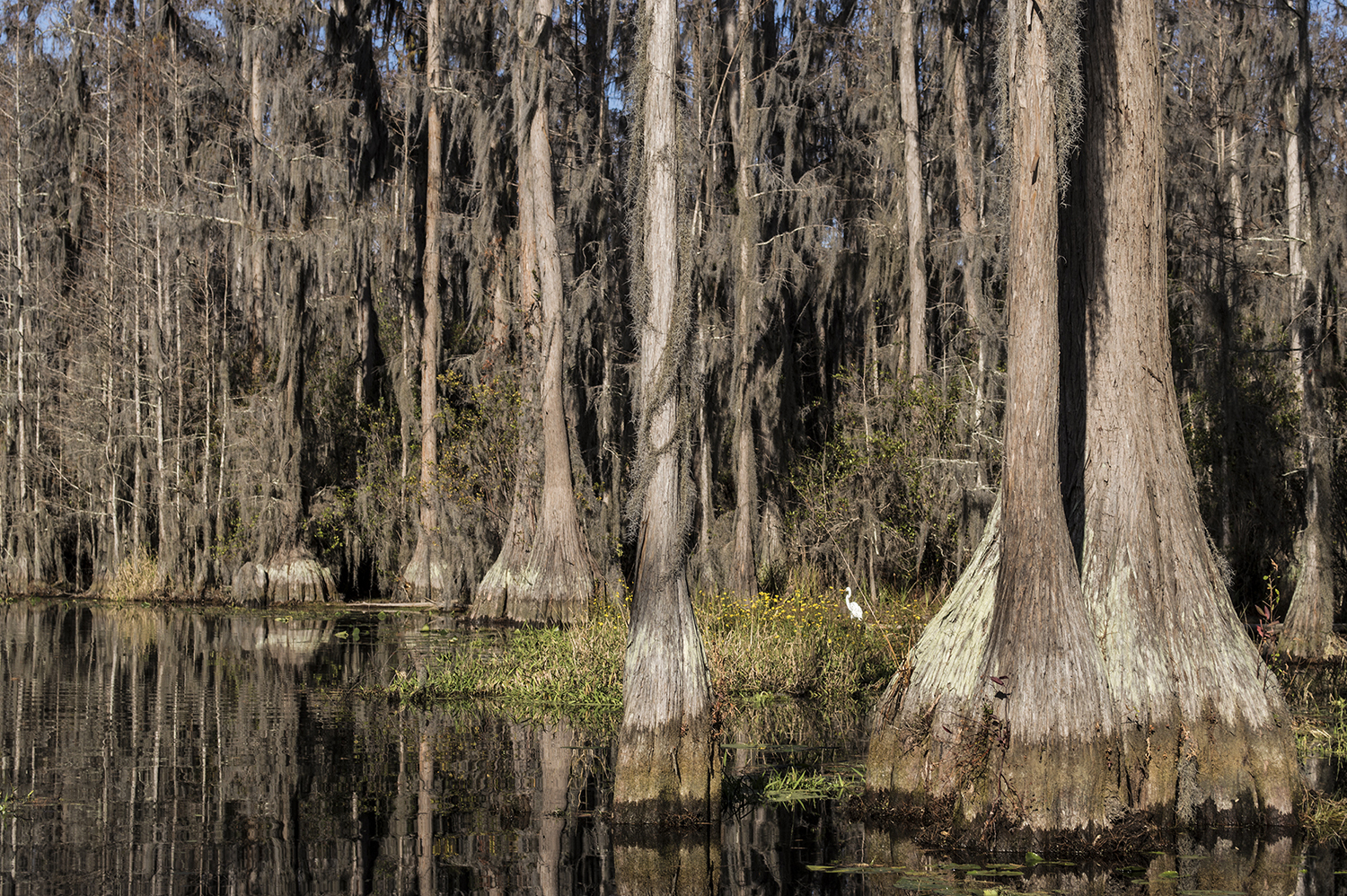
Georgia, US
You might spot American Alligator, White-Tailed Deer, and Anole.
View guide →
Take the discovery with you
Snap it with Snappit to identify it, learn what makes it special, and add the discovery to your collection.







.jpg&width=800)


_001.jpg&width=800)



