_-_Flickr_-_wackybadger_(1).jpg&width=800)





Field Milkwort
senega sanguinea
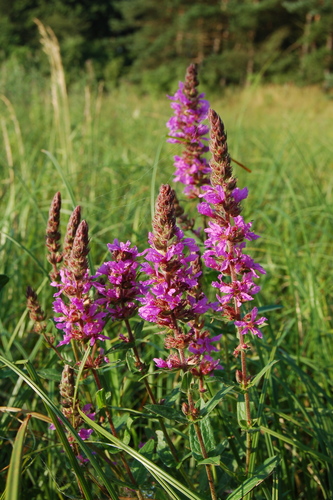
Field Milkwort is a beautiful wildflower that can brighten up any field with its lovely purple blooms. Its flowers attract many butterflies and bees, making it a favorite among pollinators!
Habitat: Field Milkwort is commonly found in meadows, grasslands, and open fields.
The Field Milkwort is an erect plant, often with a single stem, topped by a dense, rounded to cylindrical flower spike. Its tiny individual flowers cluster tightly, creating an eye-catching display of pink to reddish-purple, sometimes white.
Category
PlantsRarity
Common
Danger
0/5 · No known danger
Snaps
Be the first to snap!
It loves sunshine and is often found happily growing in open, sunny fields!
Its vibrant flower heads are actually many tiny flowers packed together like a pom-pom!
Some people call it 'Purple Milkwort' due to its amazing bright colors.
The name 'milkwort' comes from an old belief it increased milk in cows!
Field Milkwort produces many seeds that can spread easily, helping it colonize new open areas quickly.
Its flower spikes often mature from green to vibrant pink or purple, providing a visual feast for pollinators.
Field Milkwort has a sturdy taproot that helps it stay put and find water in dry, disturbed soils.

Bombus impatiens
visits flowers for nectar and pollen
Apis mellifera
collects nectar and pollen from blooms
Pieris rapae
butterfly sips nectar from its flowers
Solitary animals live alone for most of their lives, only interacting with others for mating or parental care.
Colorful describes organisms or objects displaying a wide range of bright and distinct colors.
Grassland habitats are terrestrial biomes dominated by grasses and herbaceous plants, supporting a variety of grazing animals.
This trait characterizes organisms whose diet consists entirely or primarily of plant material.

Describes organisms that transfer pollen, enabling the fertilization and reproduction of plants.
Danger
0/5 · No known danger
No special safety notes yet.
The easiest way to identify Field Milkwort is to use the Snappit nature identifier app.
15-45 cm
5-15 cm
0.2-0.4 cm
Summer-fall
No
None
Annual
Zoom in to split clusters and explore where this object has been snapped.
Recent snaps will appear here as new observations are added.
Take the discovery with you
Snap it with Snappit to identify it, learn what makes it special, and add the discovery to your collection.









.jpg&width=800)



_001.jpg&width=800)




