





one-sided wintergreen
Orthilia secunda
One-sided wintergreen is a small, evergreen plant that grows close to the ground. It has shiny green leaves and produces tiny white flowers that turn into bright red berries, which are enjoyed by birds.
Habitat: Forests
The one-sided wintergreen is a small, evergreen perennial with a distinctive flower arrangement. Its small, greenish-white bell-shaped flowers all point downwards and grow from just one side of a reddish stalk. The dark green, shiny, oval leaves remain year-round, often forming dense patches on the forest floor.
Category
PlantsRarity
Common
Danger
1/5 · Very low
Snaps
4
Despite its name, it doesn't have the strong wintergreen scent found in other plants!
Its tiny seeds are like dust, so small they can be carried far by the wind!
Its unique flowers are all lined up on one side, like a tiny green comb!
This plant helps scientists understand forest health as a special indicator species.
Its flowers grow only on one side of the stem, creating a distinct display that helps guide insects to its nectar.
One-sided wintergreen can spread using underground stems called rhizomes, helping it form colonies and find new growth spots.
Bombus bifarius
Its downward-facing flowers are perfectly shaped for bumblebees.

Odocoileus virginianus
Deer sometimes browse its leaves, especially when other food is scarce.
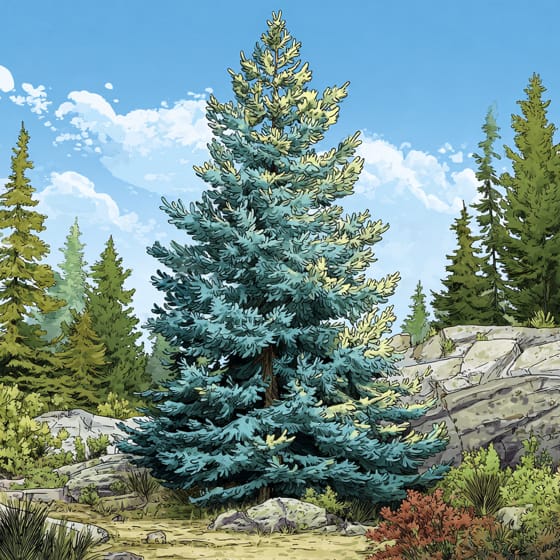
Picea glauca
Often found growing in the shade beneath conifer trees like spruce.
Shade tolerant plants are adapted to grow and thrive in areas with low light levels, requiring less direct sunlight.
Evergreen plants retain their foliage throughout the year, never shedding all their leaves at once.
Fruit-bearing plants produce fruits, which are the mature ovaries of flowering plants containing seeds.
Medicinal plants possess chemical compounds that can be used for therapeutic purposes to treat illnesses or maintain health.

Edible plants are those parts of a plant that are considered safe for human consumption.

Forest habitats are terrestrial environments dominated by dense tree cover, supporting a high diversity of plant and animal life.
No aliases listed yet.
Danger
1/5 · Very low
Do not eat any berries or plants unless you are sure they are safe.
The easiest way to identify one-sided wintergreen is to use the Snappit nature identifier app.
5-20 cm
10-30 cm
0.3-0.5 cm
Summer
No
None
Perennial
Zoom in to split clusters and explore where this object has been snapped.

Alaska, US
You might spot Brown Bear, American Beaver, and Arctic Raspberry.
View guide →
Alaska, US
You might spot Brown Bear, American Beaver, and Arctic Raspberry.
View guide →

Vermont, US
You might spot Common Eastern Bumble Bee and Red Trillium.
View guide →

Colorado, US
You might spot Broad-Tailed Hummingbird.
View guide →
Take the discovery with you
Snap it with Snappit to identify it, learn what makes it special, and add the discovery to your collection.








.jpg&width=800)



_001.jpg&width=800)

