





Fiery Searcher
Calosoma scrutator
The Fiery Searcher is a shiny beetle that loves to explore! It has a bright green and blue color that makes it stand out in nature. This beetle is a great helper because it eats pests that can harm plants.
Habitat: Forests
The Fiery Searcher is a large, striking ground beetle, featuring brilliant iridescent green-gold wing covers edged with metallic coppery-red. Its head and thorax are dark, often with blue or purple hints, contrasting with its long, agile black legs.
Category
InsectsRarity
Common
Danger
1/5 · Very low
Snaps
Be the first to snap!
Adult Fiery Searchers can live for several years, which is rare for an insect!
It can climb trees to hunt caterpillars high in the leaves!
This beetle is sometimes called a 'Caterpillar Hunter' because it eats so many!
When threatened, it makes a distinct hissing sound to scare away attackers!
Fiery Searcher can spray a foul-smelling liquid because of glands in its abdomen that helps them deter hungry predators.
Fiery Searcher has long, powerful legs that helps them sprint quickly across the ground to catch fleeing prey.
Fiery Searcher has strong, sharp mandibles that helps them grip and dismantle the tough bodies of its prey.
Fiery Searcher can fly swiftly using its hidden wings because of powerful flight muscles that helps them find new hunting grounds.
This beetle is a super hunter, munching mainly on caterpillars and other soft-bodied insects.
Age differences: Larvae also actively hunt small insects and other invertebrates.
Malacosoma americanum
Keeps forest pest populations in check.
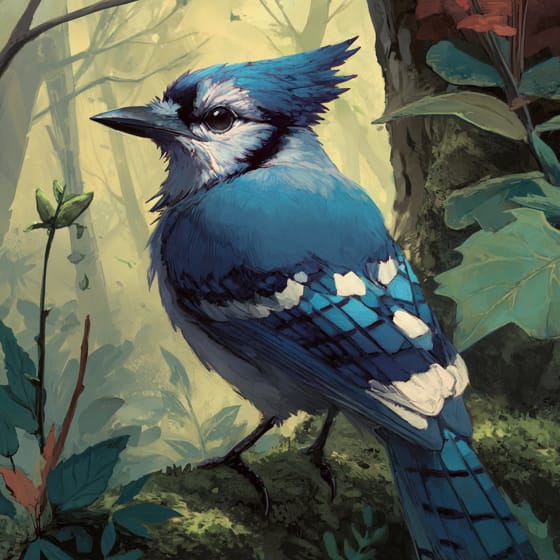
Cyanocitta cristata
Provides a nutritious meal for forest birds.
Anguispira alternata
Helps control garden snail populations.
Agrotis ipsilon
Protects crops from pest caterpillars.
Solitary animals live alone for most of their lives, only interacting with others for mating or parental care.
Colorful describes organisms or objects displaying a wide range of bright and distinct colors.
This trait identifies organisms whose diet primarily consists of insects and other small invertebrates.
Forest habitats are terrestrial environments dominated by dense tree cover, supporting a high diversity of plant and animal life.

This trait identifies organisms whose diet consists entirely or primarily of animal tissue.

Diurnal animals are primarily active during daylight hours, typically resting or sleeping at night.

This trait identifies organisms that exhibit exceptional swiftness in movement for hunting, escape, or travel.

Describes organisms that transfer pollen, enabling the fertilization and reproduction of plants.
No aliases listed yet.
Danger
1/5 · Very low
Be gentle and watch from a distance; don't touch insects unless you know they are safe.
The easiest way to identify Fiery Searcher is to use the Snappit nature identifier app.
50-70 mm
25-35 mm
365-730 days
10-15 km/h
This beetle is a super hunter, munching mainly on caterpillars and other soft-bodied insects.
Forests
Pursuit
Zoom in to split clusters and explore where this object has been snapped.
Recent snaps will appear here as new observations are added.
Take the discovery with you
Snap it with Snappit to identify it, learn what makes it special, and add the discovery to your collection.








.jpg&width=800)


