





Fishbone Fern
Nephrolepis cordifolia
The Fishbone Fern is a lovely green plant with long, wavy leaves that look like fish bones! It's great for adding a splash of nature to your home or garden.
Habitat: Forests
The Fishbone Fern has long, slender fronds that are a vibrant green, with many small, oval leaflets arranged neatly along a central stem, resembling the bones of a fish. Its fronds can grow quite long, giving the plant a graceful, arching appearance. This fern's compact growth often creates a bushy mound, setting it apart from more feathery fern types.
Category
PlantsRarity
Common
Danger
1/5 · Very low
Snaps
2
Ferns like this one were growing on Earth even before dinosaurs roamed!
Instead of seeds, this fern makes super tiny, dust-like spores to reproduce!
Its unique 'fishbone' fronds inspired its common name, a perfect match!
You might find tiny brown bumps under its leaves; those are spore cases!
Fishbone Fern can grow small, round tubers underground that store water and nutrients, helping it survive dry periods.
This fern reproduces by releasing tiny spores from the underside of its fronds, which can travel far and grow new plants.
The Fishbone Fern can quickly spread across areas using underground stems called rhizomes, making it a fast colonizer.

Helix aspersa
Often feeds on its tender fronds.
Limax maximus
A frequent consumer of its foliage.
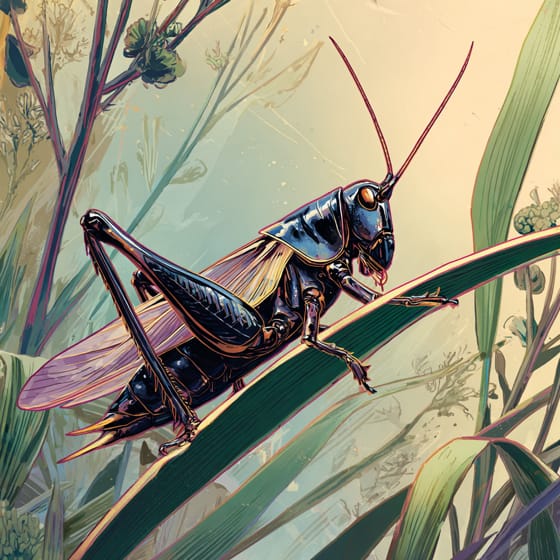
Gryllus bimaculatus
Hides amongst its dense fronds.
Ornamental plants are cultivated primarily for their aesthetic appeal, enhancing landscapes and gardens with their attractive foliage, flowers, or form.
Shade tolerant plants are adapted to grow and thrive in areas with low light levels, requiring less direct sunlight.
Evergreen plants retain their foliage throughout the year, never shedding all their leaves at once.
Rapid growing plants exhibit accelerated growth rates, quickly increasing in size and biomass within a short period.

Forest habitats are terrestrial environments dominated by dense tree cover, supporting a high diversity of plant and animal life.
No aliases listed yet.
Danger
1/5 · Very low
Always wash your hands after touching plants, just to be safe!
The easiest way to identify Fishbone Fern is to use the Snappit nature identifier app.
30-90 cm
30-60 cm
No
None
Perennial
Forests
Zoom in to split clusters and explore where this object has been snapped.

Hawaii, US
You might spot Gold Dust Day Gecko, Yellow Tang, and Black Triggerfish.
View guide →

Florida, US
You might spot American Beautyberry and Brown Anole.
View guide →
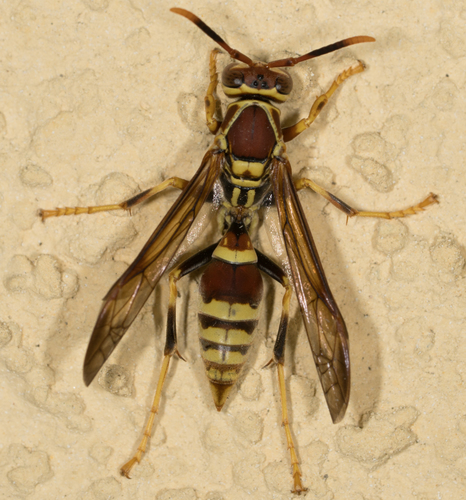
Florida, US
You might spot Guinea Paper Wasp and Fishbone Fern.
View guide →
Take the discovery with you
Snap it with Snappit to identify it, learn what makes it special, and add the discovery to your collection.








.jpg&width=800)



_001.jpg&width=800)


