.jpg&width=800)





Flat-Topped Goldenrod
euthamia graminifolia
The Flat-Topped Goldenrod is a beautiful yellow flower that grows in fields and along roadsides! It attracts many butterflies and bees, making it a favorite spot for little explorers.
Habitat: Flat-Topped Goldenrod grows in sunny fields, meadows, and along roadsides.
The Flat-Topped Goldenrod has numerous bright yellow flowers densely packed into flat-topped clusters, unlike the plume-like shapes of other goldenrods. Its leaves are unusually narrow and grass-like, linear in shape, arranged along slender green stems.
Category
PlantsRarity
Common
Danger
0/5 · No known danger
Snaps
5
It's sometimes called "Grass-leaved Goldenrod" because of its thin leaves.
Native Americans sometimes made a yellow dye from its flowers and leaves.
Often mistaken for hay fever culprits, but its pollen is heavy and sticky!
This plant is a superstar for pollinators, providing late-season food!
Flat-Topped Goldenrod can spread rapidly underground using rhizomes that help it colonize new areas.
Flat-Topped Goldenrod has abundant, sweet nectar that attracts many different insects, helping it to reproduce.
Flat-Topped Goldenrod has strong, rigid stems that help it stand tall and resist being knocked down by wind.
Apis mellifera
Visits flowers for nectar and pollen.
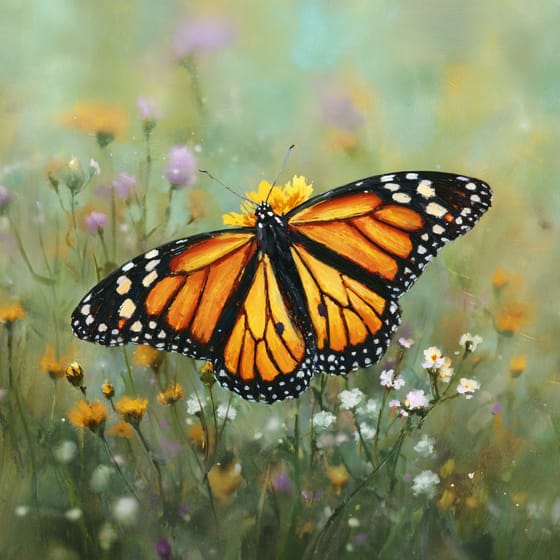
Danaus plexippus
Feeds on nectar, helping transfer pollen.
Trirhabda virgata
Larvae and adults feed on the leaves.
Colorful describes organisms or objects displaying a wide range of bright and distinct colors.
Grassland habitats are terrestrial biomes dominated by grasses and herbaceous plants, supporting a variety of grazing animals.
This trait characterizes organisms whose diet consists entirely or primarily of plant material.
Diurnal animals are primarily active during daylight hours, typically resting or sleeping at night.

Describes organisms that transfer pollen, enabling the fertilization and reproduction of plants.
Danger
0/5 · No known danger
No special safety notes yet.
The easiest way to identify Flat-Topped Goldenrod is to use the Snappit nature identifier app.
50-150 cm
30-60 cm
0.2-0.5 cm
Late summer to fall
No
None
Perennial
Zoom in to split clusters and explore where this object has been snapped.

Pennsylvania, US
You might spot Downy Rattlesnake Plantain and Striped Wintergreen.
View guide →

Pennsylvania, US
You might spot Harlequin Bug, White-Tailed Deer, and Bee.
View guide →

Michigan, US
You might spot Common Merganser, Tansy, and American Herring Gull.
View guide →

New York, US
You might spot Eastern Skunk Cabbage and Yellow Trout Lily.
View guide →

New York, US
You might spot Eastern Skunk Cabbage and Winged Euonymus.
View guide →

Maine, US
You might spot American Toad, Spring Peeper, and Eastern Teaberry.
View guide →
Take the discovery with you
Snap it with Snappit to identify it, learn what makes it special, and add the discovery to your collection.









.jpg&width=800)



_001.jpg&width=800)




