





Texas live oak
Quercus fusiformis
The Texas live oak is a strong tree with thick, dark green leaves. It provides shade and homes for many animals. These trees can live for hundreds of years and are a beautiful part of Texas landscapes.
Habitat: Forests
The Texas live oak is an evergreen tree with a broad, spreading canopy and often gnarled branches. It has small, dark green, leathery leaves that stay on all year. Its bark is rough, dark gray, and deeply furrowed, making it distinct.
Category
PlantsRarity
Common
Danger
1/5 · Very low
Snaps
2
A mature Texas live oak releases tons of water vapor daily, cooling the air!
Its acorns are a superfood for over 100 different wildlife species, from tiny insects to large deer!
Its wood is incredibly dense and strong, historically used for ship parts and durable furniture!
Some Texas live oaks have stood for over 500 years, making them ancient living monuments!
Texas live oak can survive long dry periods thanks to deep roots and leathery leaves that conserve water.
Texas live oak has leaves all year, allowing it to photosynthesize and grow even in mild winters.
Texas live oak can withstand strong winds and storms due to its flexible branches and robust root system.
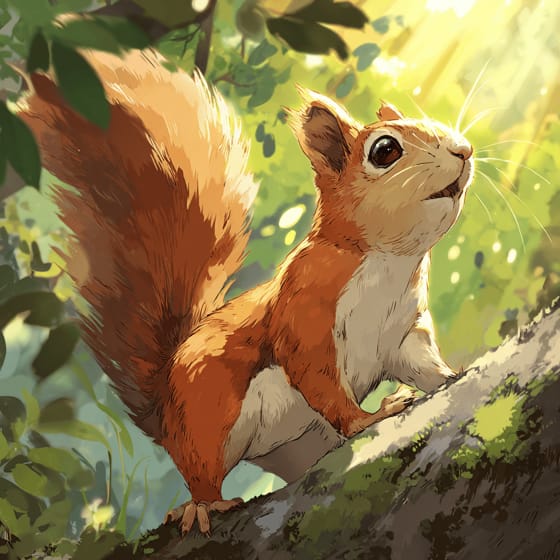
Sciurus carolinensis
consumes acorns for food

Odocoileus virginianus
browses on leaves and eats acorns
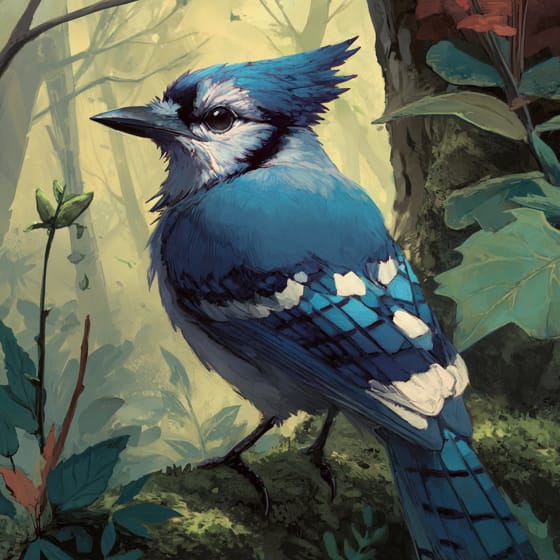
Cyanocitta cristata
caches and disperses Texas live oak acorns
Curculio rectus
larvae develop inside Texas live oak acorns
Shade tolerant plants are adapted to grow and thrive in areas with low light levels, requiring less direct sunlight.
Broadleaf trees are angiosperms characterized by flat, wide leaves that are typically shed annually in temperate climates.
Evergreen plants retain their foliage throughout the year, never shedding all their leaves at once.
Nut bearing plants produce hard-shelled fruits, commonly known as nuts, which contain a single seed and are a valuable food source.

Timber refers to wood that has been prepared for use in building and carpentry.

This trait signifies organisms belonging to a very old evolutionary group with ancestors dating back millions of years.

Forest habitats are terrestrial environments dominated by dense tree cover, supporting a high diversity of plant and animal life.

This trait characterizes organisms with an exceptionally long lifespan compared to others of their kind.

Describes a species whose presence and role have a disproportionately large effect on its environment.
No aliases listed yet.
Danger
1/5 · Very low
Stay clear of falling branches and don't climb too high.
The easiest way to identify Texas live oak is to use the Snappit nature identifier app.
600-1500 cm
1000-2500 cm
0.5-1 cm
Early spring
No
Mild
Perennial
Zoom in to split clusters and explore where this object has been snapped.

Oklahoma, US
You might spot Lace Hedgehog Cactus and Star Cloak Fern.
View guide →

Texas, US
You might spot Reticulated Giraffe, Zebra, and White Rhinoceros.
View guide →

Texas, US
You might spot Pipevine Swallowtail and Antelopehorn Milkweed.
View guide →
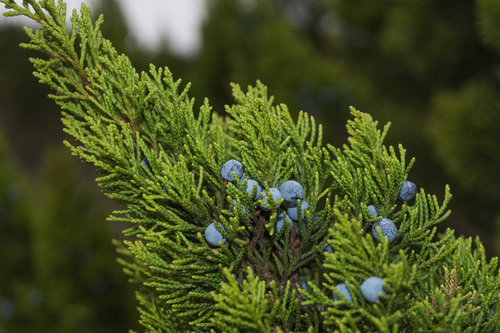
Texas, US
You might spot Ashe Juniper, Texas Bluebonnet, and Texas Live Oak.
View guide →
Take the discovery with you
Snap it with Snappit to identify it, learn what makes it special, and add the discovery to your collection.








.jpg&width=800)


_001.jpg&width=800)

