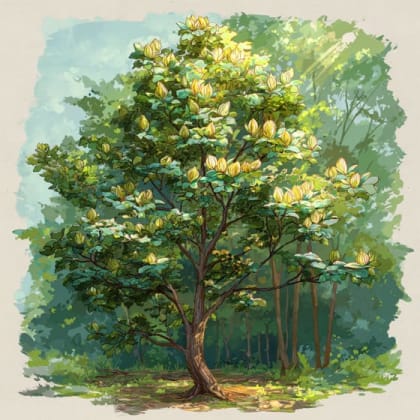





Tulip Tree

Discover a serene escape at Bailey Arboretum, a captivating 42-acre living museum dedicated to connecting people with nature.
Discover a serene escape at Bailey Arboretum, a captivating 42-acre living museum dedicated to connecting people with nature. Located on Long Island's picturesque North Shore, this accredited arboretum offers a peaceful retreat where horticulture and history intertwine, inviting visitors to explore a diverse collection of trees, gardens, and tranquil landscapes. It stands as a testament to the vision of its founder, Frank Bailey, a self-taught horticulturist who cultivated this magnificent estate into one of America's first private garden museums.
The arboretum boasts an impressive array of botanical wonders, including its crown jewel, the world-renowned Dawn Redwood (Metasequoia glyptostroboides), celebrated for having the largest girth globally. Beyond this arboreal giant, explore seven acres of meticulously landscaped grounds featuring a vibrant Rose Garden, a colorful Iris and Perennial Garden, and a unique, handicap-accessible Secret Walled Garden designed to engage all five senses. Families will delight in the Children's Habitat outdoor classroom, a certified Nature Explore space where young adventurers can connect with the natural world through play and discovery.
Bailey Arboretum is more than just a collection of plants; it's an experience that refreshes the spirit. Stroll along well-marked woodland trails, discover the charming German Castle sculpture, or observe rescued owls, hawks, and kestrels in the aviaries maintained by Volunteers for Wildlife. Whether you're seeking a quiet moment amidst exotic trees, an educational outing, or a delightful family day, this verdant oasis offers year-round beauty and a memorable connection to the wonders of nature. Planning to visit? Download the Snappit app to identify the wildlife you spot in real-time.
The Bailey Arboretum owes its existence to the passion of financier and self-taught horticulturist Frank Bailey (1865-1953). In 1911, Bailey acquired the property, including a century-old farmhouse he named "Munnysunk," and dedicated his life to transforming it into a unique living museum of exotic trees and shrubs. He meticulously selected and imported rare plantings from France between 1916 and 1920, crafting one of the nation's earliest private garden museums. Following the passing of his wife, Marie Louise Bailey, the estate was generously donated to Nassau County in 1968, officially opening to the public as the Bailey Arboretum on August 5, 1969. Since 2006, the arboretum has been under the dedicated care of the Friends of Bailey Arboretum, a 501c3 organization. In October 2014, its commitment to horticulture and public education was recognized with Level II accreditation from the ArbNet Arboretum Accreditation Program, distinguishing it as a significant botanical institution.
Visitors can hike the well-marked woodland paths, stroll through seven acres of landscaped gardens, observe wildlife around the two man-made ponds, learn about different tree species, or simply relax on a shaded bench. Families can explore the Children's Habitat, while dog owners can enjoy a walk with their leashed pets.
Spring brings a riot of color from flowering plants, while autumn transforms the landscape with rich fall foliage. Be aware that mosquitoes can be prevalent in wooded areas, especially in August. Always remember to check yourself and your pets for ticks after exploring the trails.
The arboretum features relatively flat, well-marked wooded trails and some paved walkways, particularly leading to the Children's Habitat and the rescued animal enclosures, making them easy to navigate for visitors of varying mobility. Multi-stall, handicapped accessible restrooms are available in a barn-like building. However, an older review noted a lack of dedicated handicapped parking spaces.
Don't miss the world-record-holding Dawn Redwood, the interactive Children's Habitat, the tranquil Secret Walled Garden, and the aviaries housing rescued birds of prey. The historic Bailey House (Munnysunk) and the whimsical German Castle sculpture are also notable features.
Each card links to a full Explore page with photos, traits, and fun facts.
Start with the big picture, then zoom in to explore individual wildlife observations around this place.
Wear comfortable footwear
** The arboretum features extensive trails and garden paths, so comfortable shoes are a must for exploring.
Bring water and snacks
There are no food services on-site, so pack refreshments, especially for longer visits or warm days.
Check for ticks
After walking through wooded areas, always perform a thorough tick check on yourself, children, and pets.
Grab a map
Maps are available at the entrance to help you navigate the various trails and discover all the arboretum has to offer.
Visit the Children's Habitat
If visiting with children, make sure to spend time at the Children's Habitat, designed for interactive nature play.
Bring your camera
With its diverse plant collections, historic structures, and scenic ponds, the arboretum offers countless photo opportunities.
Jun 2, 2026
Photo attribution
no rights reserved
License: CC0 1.0 ↗
Image may be shown cropped inside the card frame.
Jun 2, 2026
Photo attribution
no rights reserved
License: CC0 1.0 ↗
Image may be shown cropped inside the card frame.
Jun 2, 2026
Photo attribution
no rights reserved
License: CC0 1.0 ↗
Image may be shown cropped inside the card frame.
Jun 4, 2026
Jun 4, 2026

Maryland, US
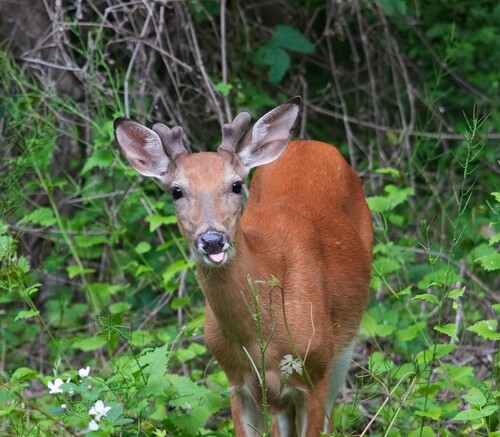
You might spot White-Tailed Deer and Eastern Gray Squirrel.
View guide →
.jpg)
District of Columbia, US
You might spot Eastern Gray Squirrel, Duck, and House Sparrow.
View guide →

Illinois, US
You might spot American Robin, Canada Goose, and House Sparrow.
View guide →

Virginia, US
You might spot Spotted Lanternfly and Northern Cardinal.
View guide →
Take the discovery with you
Identify the wildlife you spot, learn as you go, and keep a collection of the adventure.